Wintermute Registers as FINRA Broker-Dealer, Crypto Market Makers Move to Wall Street
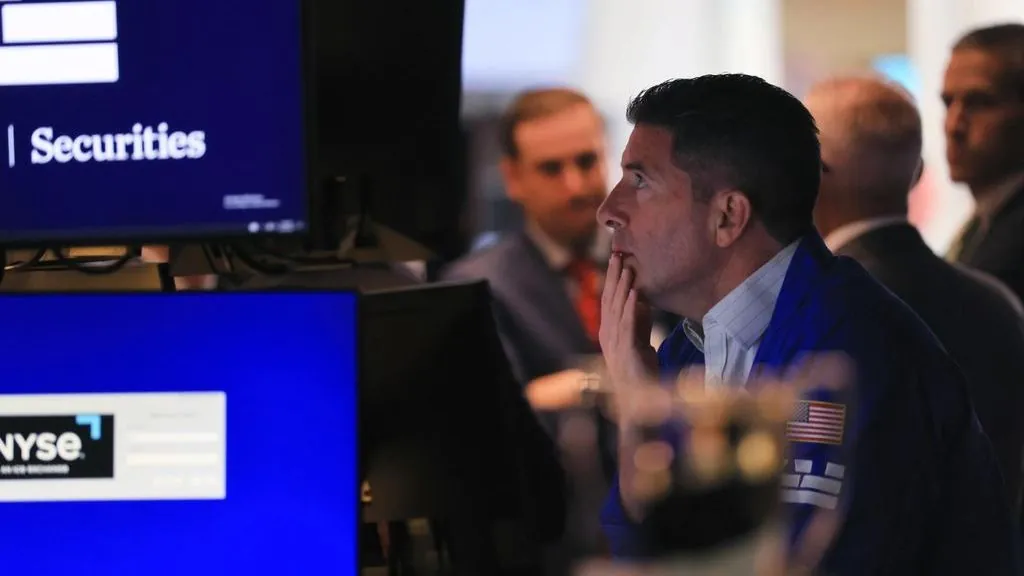
Wintermute, the largest crypto liquidity provider, registered with FINRA on August 6, gaining approval to trade equities and other traditional securities. The move reflects a broader shift in which crypto market infrastructure is integrating with regulated Wall Street systems.
Written by CoinArticle’s AI Newsroom · from 1 cited source. How we work
Wintermute's FINRA Registration
Wintermute announced its FINRA registration on August 6, becoming the largest crypto-native liquidity provider to operate as a fully regulated broker-dealer. The registration permits the firm to trade equities, fixed income, and other traditional securities alongside its existing crypto operations. According to Wintermute's announcement, the approval consolidates its market-making infrastructure under a single regulatory umbrella and enables institutional clients to execute both digital and traditional asset trades through a unified relationship.
Structural Shift in Market Infrastructure
Wintermute's move signals a broader consolidation trend among crypto market makers toward regulated broker-dealer status. The registration requires compliance with SEC and FINRA capital, disclosure, and conduct rules—standards that crypto-native firms historically avoided or operated around through separate corporate vehicles. Other major crypto liquidity providers have explored similar paths, though few have completed full FINRA registration as of mid-August 2026. The shift reflects institutional demand for counterparties that can simultaneously manage crypto and traditional asset flows without operational fragmentation.
Implications for Market Structure
The trend carries structural weight for how crypto trading integrates into traditional finance. Firms operating as registered broker-dealers face ongoing regulatory scrutiny around position limits, best execution, and custody of client assets—requirements that reshape how they price liquidity and manage risk. For institutional traders and asset managers, the move reduces operational friction when moving capital between crypto and equity markets. However, the consolidation may also concentrate market-making power among fewer, larger firms with the capital and compliance infrastructure to absorb broker-dealer overhead.
Why It Matters
For Traders
Wintermute's broker-dealer status may reduce execution slippage on large orders by consolidating its liquidity pools, but regulatory position limits could increase spreads during volatile market periods.
For Investors
Regulatory integration of crypto market makers into Wall Street systems signals institutional-grade maturation of crypto infrastructure and reduces counterparty risk for hedge funds and asset managers.
For Builders
Protocols and DEX platforms must now compete for flow against centralized market makers operating under SEC oversight, increasing pressure to match execution quality and custody standards.
This article is for information only and is not financial advice. Read the full disclaimer.