Bitcoin Holds $78,000 as Dollar Strength, Yen Weakness Test Market
Bitcoin held just under $78,000 as August closed, pinned by dollar strength that drove the yen past its 160 intervention threshold. Rising Fed rate expectations and geopolitical tensions in the Gulf added pressure on ETF inflows and broader crypto market resilience.
Written by CoinArticle’s AI Newsroom · from 2 cited sources. How we work
Dollar Strength Caps Bitcoin Rally
Bitcoin was trading just under $78,000 as August ended, held in check by a strengthening U.S. dollar that pushed the Japanese yen past 160 per dollar—a level that historically triggers Bank of Japan intervention. The dollar's advance, driven by rising expectations for higher Federal Reserve rates, created headwinds for risk assets including cryptocurrencies, which typically benefit from a weaker dollar and lower real yields.
Macro Pressures Mount
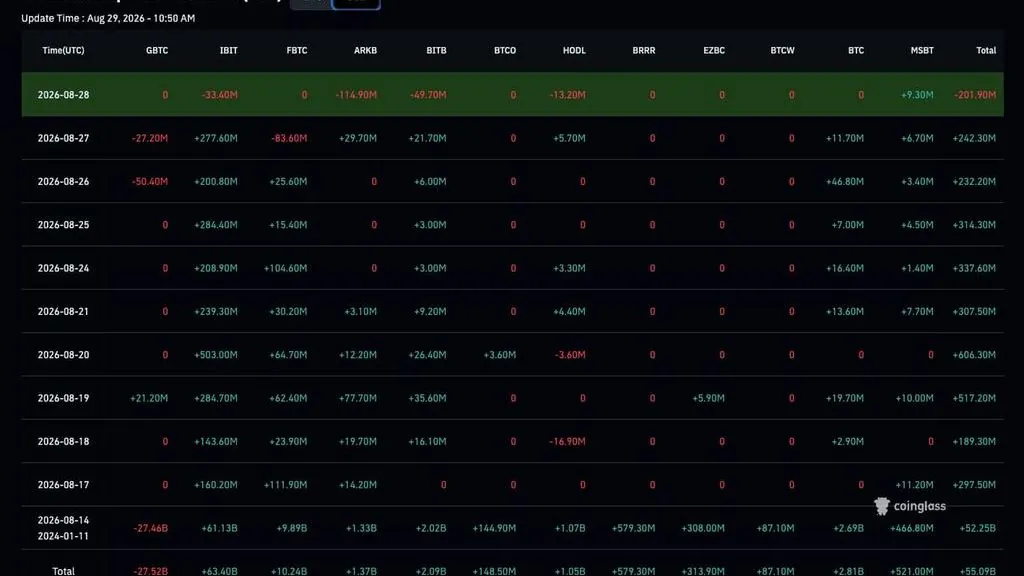
Beyond currency moves, multiple factors converged to test the crypto market's near-term resilience. Yen weakness, a byproduct of Japan's accommodative monetary policy relative to Fed tightening, compounded selling pressure alongside elevated oil prices linked to Gulf geopolitical tensions. These cross-currents raised questions about the staying power of Bitcoin's recent strength and the sustainability of inflows into spot Bitcoin ETFs, which have been a structural bid for the asset over the past nine months.
Market Context
Bitcoin's holding pattern near $78,000 reflects a tug-of-war between structural demand from institutional products and macroeconomic headwinds tied to global central bank policy divergence and regional risks. The data points to a market closely watching both Fed communications and international currency movements rather than operating on purely on-chain or protocol-level signals.
Why It Matters
For Traders
Dollar strength and rising rate expectations may cap Bitcoin rallies in the near term; watch Fed communications and USD index moves as leading indicators.
For Investors
Macro headwinds including currency volatility and geopolitical risk are now primary drivers of Bitcoin moves, signaling reduced influence from on-chain fundamentals.
For Builders
Protocol activity and network upgrades face secondary consideration as Bitcoin market dynamics become increasingly correlated with macro asset-class behavior.
This article is for information only and is not financial advice. Read the full disclaimer.