Ledger Hardware Wallet Supply Chain Breach: Hidden Chip Stole Recovery Keys
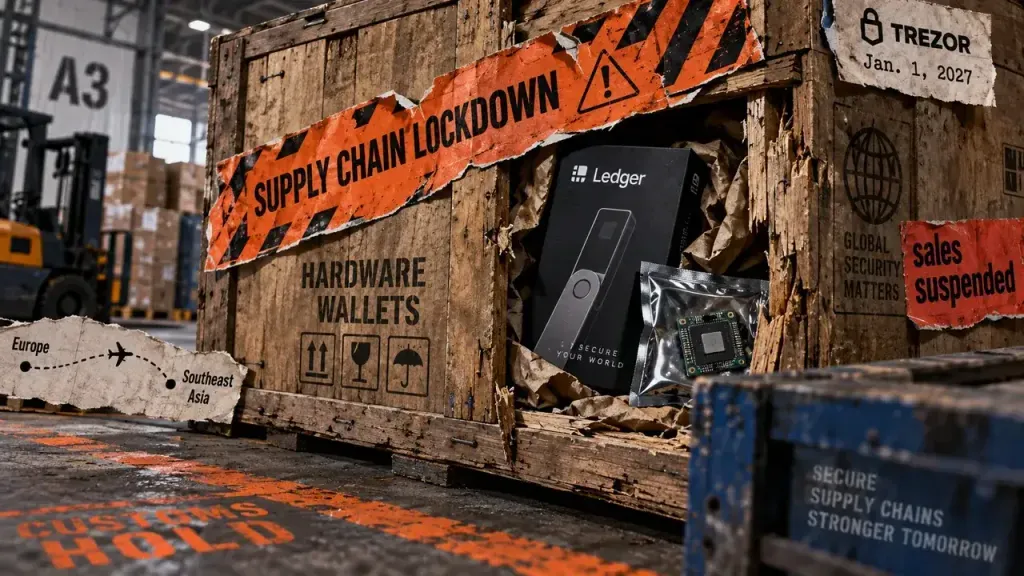
Ledger confirmed that counterfeit hardware wallets sold through reseller CryptoBilis contained a hidden chip designed to intercept recovery phrases during setup and transmit them over LTE. Investigators report over 300 wallets were compromised, with losses exceeding $93 million, while Ledger's software remained untouched.
Written by CoinArticle’s AI Newsroom · from 2 cited sources. How we work
The Supply Chain Compromise
Ledger identified a physical implant embedded inside counterfeit hardware wallets sold by reseller CryptoBilis that captured recovery phrases displayed during wallet initialization. The hidden chip intercepted the sensitive data and transmitted it over LTE, according to Ledger's analysis and reporting from The Defiant. The counterfeit devices reached end users, suggesting the compromise occurred at the manufacturing or distribution stage before retail sale rather than through Ledger's official channels.
Scale of Theft and Impact
Investigators have documented over 300 compromised wallets with reported losses exceeding $93 million, according to The Defiant. The breach bypassed Ledger's software entirely—the actual Ledger firmware and application code remained uncompromised. This distinction is material: victims' losses stem from physical hardware interception, not a flaw in Ledger's protocols or code, meaning the vulnerability was specific to devices sold through the affected reseller.
Recovery Phrase Exposure
Recovery phrases—the 12 or 24 word seed used to restore wallet access—are the most critical secret in self-custody. Once exposed, they grant an attacker complete control over all funds stored in that wallet regardless of the device's software security. Ledger's detection of the implant and its exfiltration method suggests the breach was discovered through either forensic analysis of a compromised device or through victim reports tracing fund losses to a common hardware source.
Why It Matters
For Traders
Verify hardware wallet authenticity and purchase source; counterfeit distribution suggests other resellers may also be compromised, heightening risk for self-custody using physical devices.
For Investors
Supply chain attacks on hardware wallet manufacturers highlight systemic custody risk; institutional adoption of self-custody infrastructure may face renewed scrutiny.
For Builders
Hardware-based key management remains vulnerable to physical tampering at manufacturing or distribution; any custody solution must assume device-level compromise and design recovery mechanisms accordingly.
This article is for information only and is not financial advice. Read the full disclaimer.