Trezor Cuts Authorized Resellers After Ledger Supply-Chain Attack
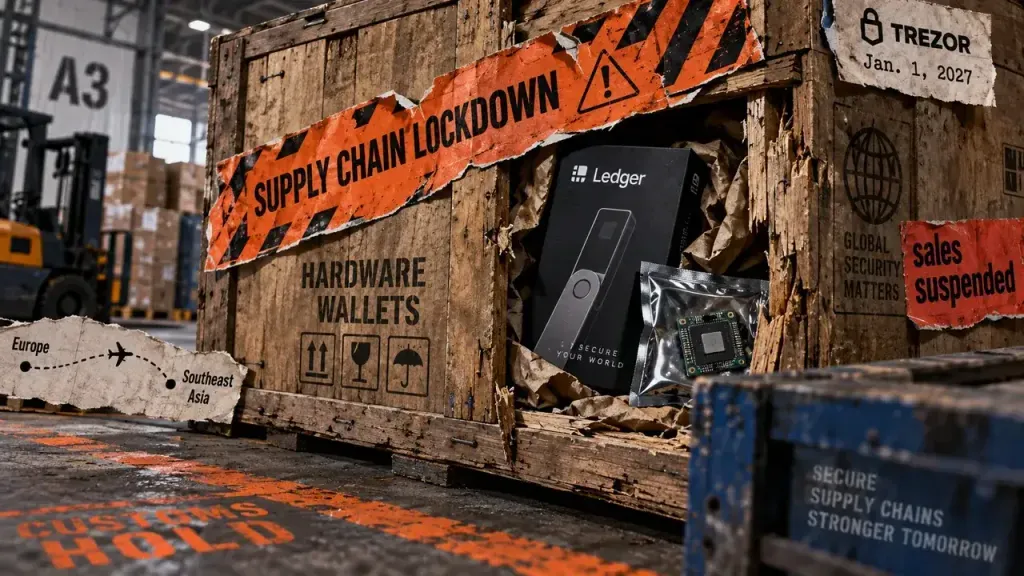
Trezor is reducing its reseller network effective January 1, 2027, citing preventive supply-chain measures following a hardware-implant attack discovered on rival Ledger devices. The company said it has found no evidence its own devices were compromised but is tightening partner oversight.
Written by CoinArticle’s AI Newsroom · from 2 cited sources. How we work
Trezor's Reseller Reduction
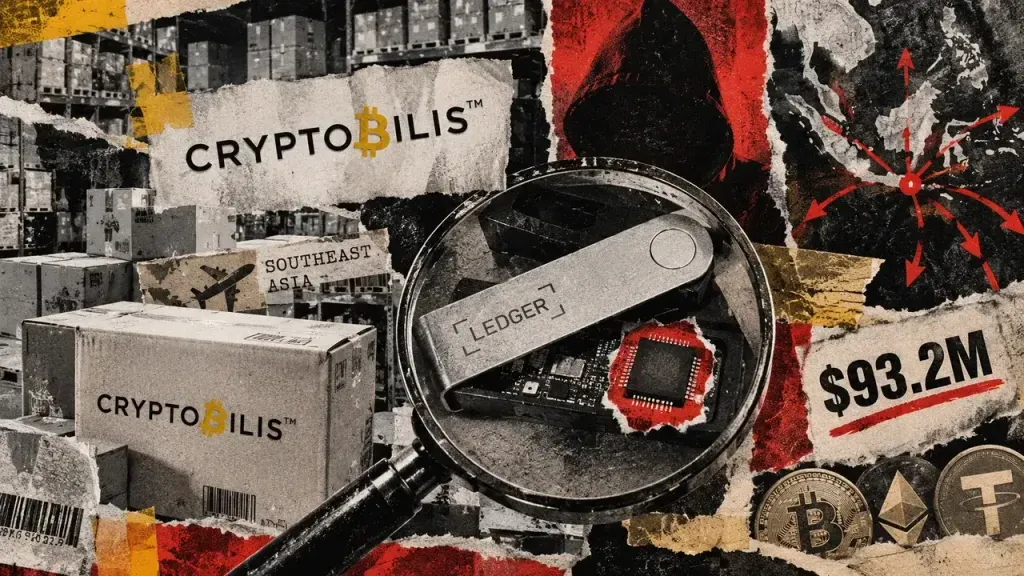
Trezor is terminating authorization for select resellers, with the changes taking effect January 1, 2027, according to an October 13 letter from Chief Commercial Officer Danny Sanders. The hardware wallet maker did not disclose the number of partners affected or provide a complete list of which resellers would lose authorization. CryptoBilis, a known Trezor reseller, has already been removed from the company's seller roster.
Catalyst: Ledger's Hardware-Implant Discovery
The reseller cuts follow a supply-chain attack on Ledger, Trezor's primary competitor, in which malicious hardware implants were found in certain devices during distribution. The incident exposed vulnerabilities in how cryptocurrency wallets move from manufacturer to end user through third-party channels. Trezor characterized its move as preventive, emphasizing that it has no evidence suggesting its own devices were compromised during any stage of distribution.
Industry Implications
The move reflects broader security concerns across the hardware wallet sector regarding unauthorized resellers and counterfeit devices. By tightening partner vetting and reducing the reseller network, Trezor aims to reduce the surface area for potential supply-chain tampering. Industry observers note that similar attacks on Ledger underscored long-standing risks in hardware wallet distribution, where devices passing through multiple intermediaries before reaching customers create opportunities for interception or modification.
Why It Matters
For Traders
Buyers should verify hardware wallet authenticity through official channels; using unauthorized resellers now carries documented supply-chain risk across the sector.
For Investors
The Ledger incident and industry response signal that hardware wallet security extends beyond firmware—distribution networks and reseller vetting are now material risk factors.
For Builders
Wallet and infrastructure teams should audit their own reseller networks and consider direct-to-customer distribution or cryptographic proof-of-authenticity mechanisms.
This article is for information only and is not financial advice. Read the full disclaimer.