Citi Cuts 12-Month Bitcoin Target to $82,000 Amid Weakening ETF Demand
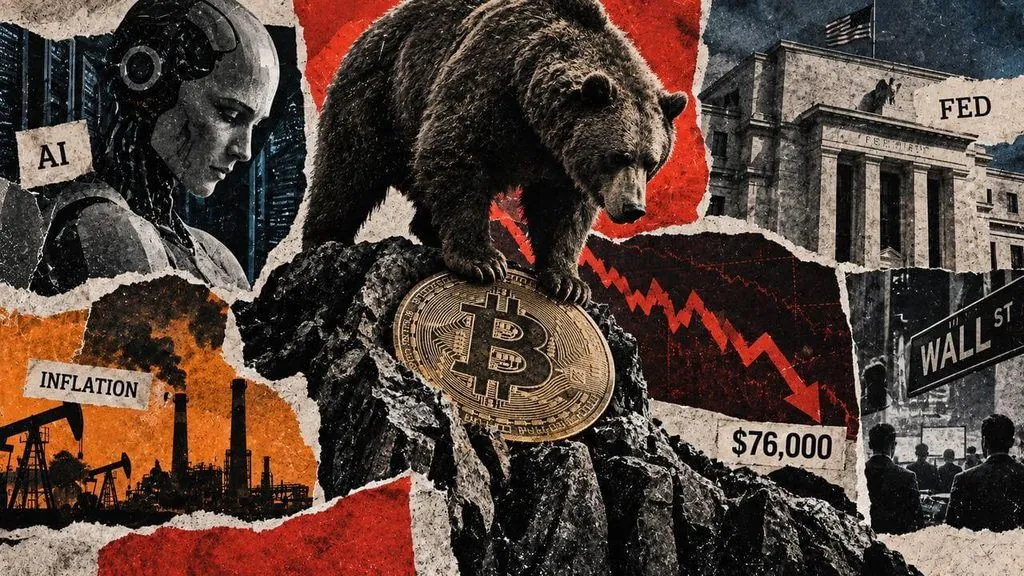
Citi lowered its 12-month Bitcoin price target to $82,000 from a higher prior forecast, citing collapsing ETF inflows and weaker investor sentiment. The bank also revised its Ethereum forecast downward after resetting its assumptions on spot ETF flows.
Written by CoinArticle’s AI Newsroom · from 2 cited sources. How we work
Target Revision and Reasoning
Citi announced a downward revision of its 12-month Bitcoin price target to $82,000, according to research notes cited by multiple outlets. The bank attributed the cut to three factors: a sharp decline in ETF inflows, deteriorating investor sentiment, and delays in U.S. crypto legislation. The bank also lowered its 12-month Ether forecast, though the specific new target was not disclosed in available reporting.
ETF Flow Assumptions Reset
Citi's downgrade reflected a reset in the bank's assumptions around spot Bitcoin and Ether ETF capital flows. Since the launch of spot Bitcoin ETFs in January 2024 and Ethereum spot ETFs in July, inflows have slowed considerably from early peaks. The revision signals that Citi no longer expects the sustained inflow momentum that underpinned its prior forecasts.
Context and Market Backdrop
The downgrade arrives amid a broader period of price consolidation in Bitcoin and Ethereum following their summer rallies. Citi's move represents one of the more prominent recent downgrades from a major financial institution, though the bank did not disclose whether this reflected macro headwinds, on-chain metrics, or other technical factors beyond ETF flows.
Why It Matters
For Traders
A major bank cutting its price target signals institutional conviction behind lower valuations; watch for cascading downgrades from other large research desks.
For Investors
Weakening ETF inflows suggest retail and institutional demand may not support sustained rallies; flow dynamics are now a key price support metric.
For Builders
Slower capital inflows into spot ETFs could indicate a period of slower on-chain ecosystem funding; monitor TVL and venture financing activity closely.
This article is for information only and is not financial advice. Read the full disclaimer.