Coldcard Exploit Drives Small Bitcoin Holders Back to Exchanges
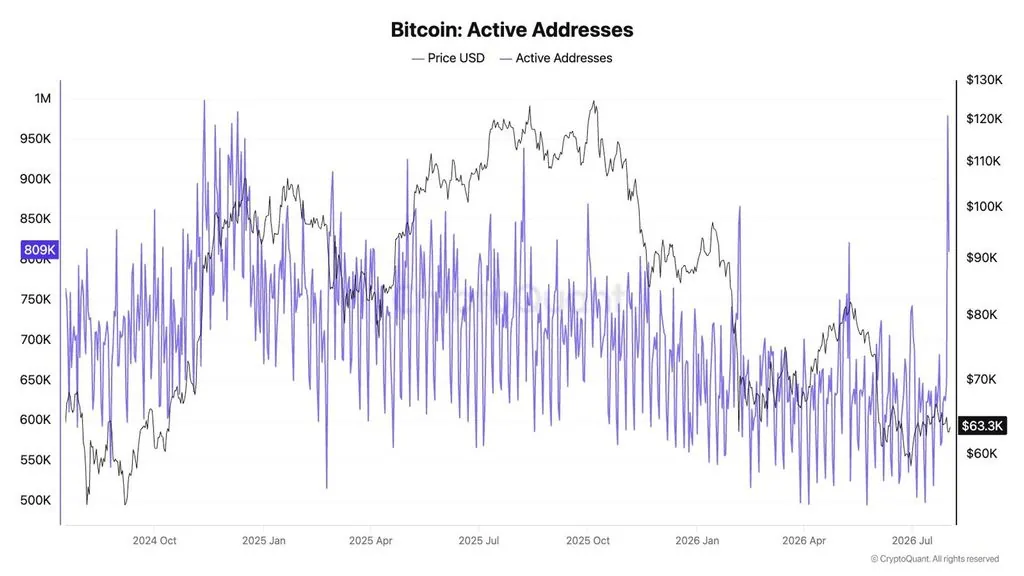
A $89 million exploit affecting Coldcard hardware wallets has prompted smaller Bitcoin holders to move funds to exchanges, reversing the trend that followed FTX's 2022 collapse. Blockchain analytics firms report the shift as users prioritize perceived exchange safety over self-custody after the vulnerability disclosure.
Written by CoinArticle’s AI Newsroom · from 1 cited source. How we work
The Shift in Custody Behavior
Small Bitcoin holders are moving funds to exchanges following disclosure of the Coldcard hardware wallet exploit, according to blockchain analytics firms monitoring on-chain activity. This contrasts sharply with the pattern seen after FTX collapsed in November 2022, when retail users accelerated withdrawals from exchanges to self-custody wallets—a movement captured in the phrase "not your keys, not your coins."
The $89 million exploit compromised security assumptions that made hardware wallets appear safer than exchange accounts. Coldcard devices, which hold private keys offline to protect against remote theft, faced a supply-chain attack that allowed unauthorized code execution on certain units manufactured during a specific window.
Confidence in Self-Custody Shaken
The timing and nature of the Coldcard vulnerability appear to have altered risk perception among a subset of retail users. Where FTX's collapse—triggered by misappropriation of customer deposits by management—suggested exchanges themselves were untrustworthy, the Coldcard exploit suggested that the devices marketed as the safest self-custody option contained a flaw users could not detect or prevent.
This swing in on-chain behavior illustrates how specific threat vectors shape custody decisions among smaller holders, who lack the capital to deploy multiple security strategies simultaneously.
Why It Matters
For Traders
Increased exchange inflows may signal lower sell pressure from self-custody Bitcoin holders in the near term, though this cohort typically holds longer-term.
For Investors
The reversal of post-FTX custody trends shows how hardware wallet vulnerabilities can erode confidence in self-custody narratives that have driven institutional and retail adoption cycles.
For Builders
Wallet developers and custody infrastructure teams face renewed pressure to demonstrate tamper-proof supply chains and verifiable code provenance to rebuild user confidence.
This article is for information only and is not financial advice. Read the full disclaimer.