Esports Talent Pipeline Grows, But Crypto Integration Remains Absent
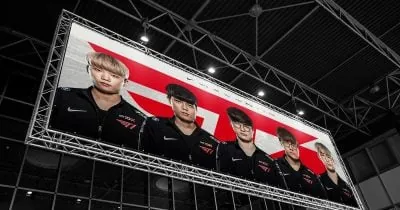
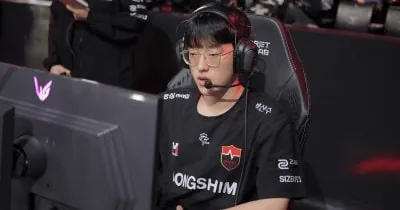
Professional esports continues to develop new talent at rapid pace, exemplified by DNS jungler Sharvel's recent LCK debut. However, the sector has yet to meaningfully integrate cryptocurrency or blockchain-based monetization models despite growing mainstream visibility.
Written by CoinArticle’s AI Newsroom · from 1 cited source. How we work
Esports Talent Development Accelerates
The professional esports pipeline is producing breakout players at an accelerating rate. Sharvel's move to the LCK, South Korea's premier League of Legends circuit, reflects the deepening talent pool feeding top-tier competitive gaming. This progression mirrors traditional sports talent development, where younger players now move through structured academy systems and regional competitions before reaching elite-level play.
Monetization Gap Remains
Despite esports' mainstream growth and billion-dollar franchise valuations, the sector has not adopted cryptocurrency or blockchain-based revenue streams at scale. Traditional sponsorship, streaming revenue, and tournament prize pools remain the primary income sources for players and organizations. The absence of crypto integration stands in contrast to other entertainment verticals that have experimented with NFTs, token rewards, and decentralized fan engagement models.
Questions About Future Revenue Models
As esports viewership and participation continue to grow, the lack of blockchain infrastructure raises questions about how the industry will monetize emerging opportunities. Gaming communities have historically led adoption of digital asset trading and in-game economies, yet professional esports organizations have largely remained outside those conversations. Whether crypto integration eventually materializes may depend on regulatory clarity and demonstration of utility beyond speculative trading.
Why It Matters
For Traders
No direct market signal; esports crypto integration remains speculative and does not move asset prices or trading patterns in real time.
For Investors
The persistence of traditional monetization in esports despite crypto's maturity suggests blockchain adoption in gaming may be slower or harder than previously anticipated.
For Builders
Gaming and esports remain largely outside existing crypto infrastructure; builders targeting these audiences face adoption barriers beyond technical capability.
This article is for information only and is not financial advice. Read the full disclaimer.