Afroman on Music, Cryptocurrency, and the New Artistic Revolution
In this engaging interview, Afroman discusses the intersection of music and cryptocurrency, highlighting how both empower artists. This dialogue reveals the transformative potential of blockchain technology for the creative industry.
Written by CoinArticle’s AI Newsroom · from 1 cited source. How we work
Relics of a Revolution, Part III: The Suit, The Songs, The System
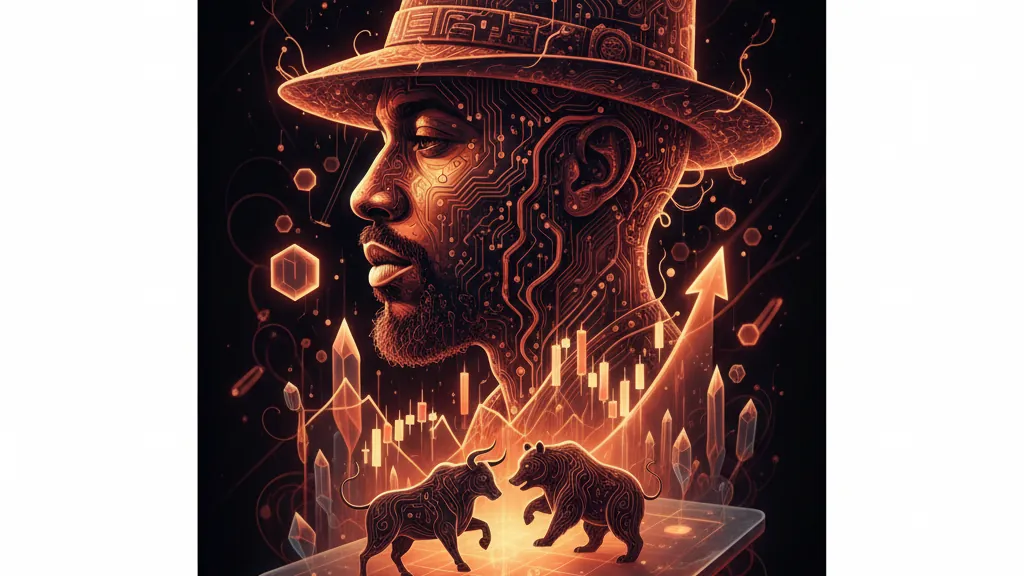
In a captivating intersection of music and cryptocurrency, Dennis Koch interviews rapper Afroman in the latest installment of "Relics of a Revolution" for Bitcoin Magazine. This conversation delves deep into themes of freedom, self-expression, and the revolutionary spirit that resonates in both the music and crypto landscapes.
Afroman, widely known for his hit "Because I Got High," reflects on how songwriting has served as a powerful method for asserting identity and challenging societal norms. His journey through the music industry is marked by a quest to speak truth to power, paralleling the foundational ethos behind decentralized finance and blockchain technology.
"I wrote lyrics that resonated with people for their authenticity," Afroman states, drawing intriguing parallels to how blockchain empowers a new generation of artists to reclaim their narratives. He emphasizes that both music and crypto share a backbone of democratization, enabling individuals to circumvent traditional gatekeepers.
A New Age of Artistic Freedom
As he explores his entry into the world of cryptocurrency, Afroman highlights how blockchain technology offers artists unprecedented opportunities for direct monetization. By leveraging non-fungible tokens (NFTs), musicians can secure fair compensation for their work. This shift away from conventional music distribution channels aligns perfectly with the core aspirations of cryptocurrency — achieving financial sovereignty and minimizing dependency on intermediaries.
"But it’s more than just profit. It’s about creating a culture where artists can thrive," he explains, reflecting on the importance of community in both music and crypto spheres.
Why It Matters
For Traders
The conversation illuminates the burgeoning intersection between the arts and cryptocurrency, unveiling fresh trading opportunities. As more musicians adopt web3 technologies to monetize their creations, traders should explore diversifying their portfolios with artist-specific NFTs and crypto-backed ventures.
For Investors
Investors can uncover significant potential by supporting artists who integrate blockchain into their business models. As the NFT and crypto art markets expand, those who appreciate the cultural relevance of such investments stand to gain by being at the forefront of this innovative trend.
For Builders
For developers and entrepreneurs, Afroman’s advocacy for cryptocurrency underscores the multitude of applications for blockchain technology across various sectors. Creators are challenged to design platforms that empower artists, concentrating on community engagement and direct transactions. This revolution offers an exhilarating opportunity for builders to leverage technology for social impact, bridging the worlds of art and finance.
In conclusion, Afroman’s insights remind us that music and cryptocurrency are potent instruments of change. They challenge the status quo, foster individuality, and create pathways for both artists and fans to engage in empowering new ways. As this revolution unfolds, its relics—whether through the suit of a performer, the songs they compose, or the systems they create—will significantly shape the cultural and financial landscapes of tomorrow.
This article is for information only and is not financial advice. Read the full disclaimer.