Geopolitical Tensions Rise; Crypto Markets Brace for Volatility
Escalating military conflict between the US and Iran, including reported US Army targeting of IRGC units, has raised geopolitical risk across markets. Crypto traders are monitoring potential safe-haven flows into Bitcoin and stablecoins amid the uncertainty.
Written by CoinArticle’s AI Newsroom · from 1 cited source. How we work
Military Escalation in the Gulf
Tensions between the United States and Iran have intensified, with reports of US Army operations targeting Iranian Revolutionary Guard Corps (IRGC) units. The developments come amid broader regional instability and follow prior Iranian military action in July directed at a Gulf state ally. Prediction markets assign a 57% probability to further Iranian military action in the region.
Market Implications
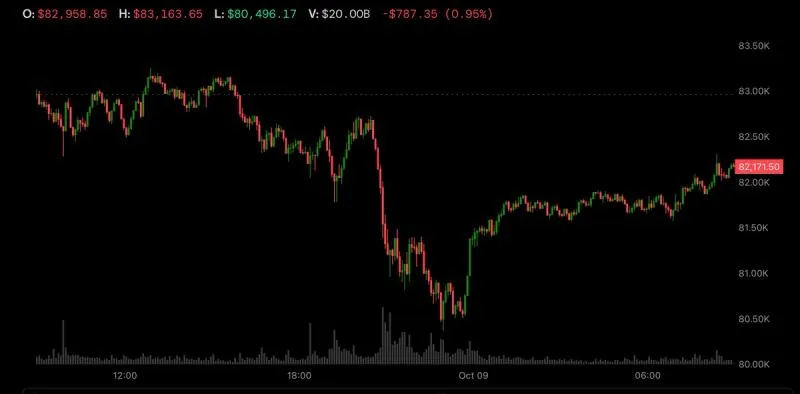
Geopolitical conflict historically correlates with increased volatility across risk assets and flight-to-safety demand in non-correlated stores of value. Bitcoin and other cryptocurrencies have often benefited from such risk-off sentiment, though the relationship is not deterministic and depends on broader macro conditions, liquidity flows, and central bank responses.
Traders are watching for potential capital rotation into digital assets perceived as uncorrelated to traditional financial markets, while stablecoin holders may face demand fluctuations tied to risk appetite shifts.
Why It Matters
For Traders
Geopolitical risk events can trigger sharp intraday volatility and sudden liquidity shifts; monitor funding rates and liquidation cascades on major exchanges if risk appetite deteriorates sharply.
For Investors
Prolonged regional instability may drive sustained demand for non-correlated assets, but the effect depends on whether central banks tighten policy in response to oil price spikes.
For Builders
Rising geopolitical risk increases scrutiny on sanctions compliance and OFAC exposure for protocols and services with international users; audit your jurisdictional exposure now.
This article is for information only and is not financial advice. Read the full disclaimer.