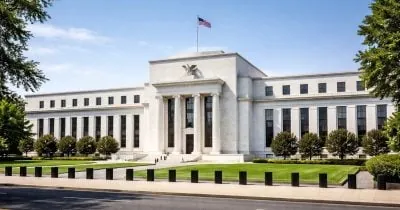
Stock Rotation to Financials Reflects Caution Ahead of Fed Decision
Institutional investors are moving capital from growth stocks into financial sector positions as the Federal Reserve approaches its next rate decision. The shift signals investor preference for stable returns amid macroeconomic uncertainty, though deeper economic slowdowns pose a downside risk.
Written by CoinArticle’s AI Newsroom · from 1 cited source. How we work
The Rotation Pattern
Investors have begun rotating capital into financial stocks as uncertainty around the Federal Reserve's next policy move increases. This reallocation reflects a preference for sectors perceived to offer more stable returns in a period of rate volatility, according to trading data from major indices.
Macro Context
The shift comes as the Fed weighs competing inflation and employment signals ahead of its policy announcement. Financial stocks, which include banks and insurance companies, typically perform well in environments where interest rate policy is expected to stabilize, making them a natural hedge against continued rate volatility. Investors appear to be positioning defensively rather than betting on significant further rate cuts or hikes.
Downside Scenarios
The rotation assumes economic stability will hold. If macroeconomic conditions deteriorate—a sharp slowdown in consumer spending, credit stress, or corporate earnings misses—financial stocks could face sudden selling pressure, reversing the near-term inflow.
Why It Matters
For Traders
Macro-sensitive crypto assets like Bitcoin often track equity rotation patterns; inflows to defensive sectors may signal near-term caution in risk appetite.
For Investors
Fed policy direction directly affects cryptocurrency volatility and stablecoin yields; investor positioning in traditional markets forecasts likely on-chain capital movements.
For Builders
Institutional capital flows into traditional finance signal the macro backdrop for crypto adoption timelines; rate expectations affect borrowing costs for protocol development.
This article is for information only and is not financial advice. Read the full disclaimer.