Iran Tensions Rise as U.S. Navy Blockade Enforcement Escalates
The U.S. Navy escalated enforcement of its Iran blockade, deploying helicopter support and redirecting 30 vessels in the region. The action may heighten geopolitical tensions and create ripple effects across global markets.
Written by CoinArticle’s AI Newsroom · from 1 cited source. How we work
Military Escalation in Regional Waters
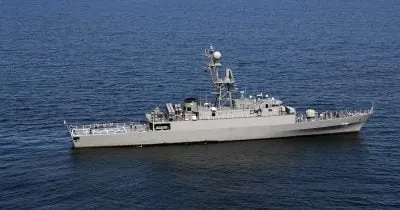
The U.S. Navy deployed helicopter support to enforce its blockade of Iran, redirecting approximately 30 vessels operating in contested waters. The operation marks an intensification of naval enforcement activity in the region, according to reporting on the incident.
Geopolitical and Market Implications
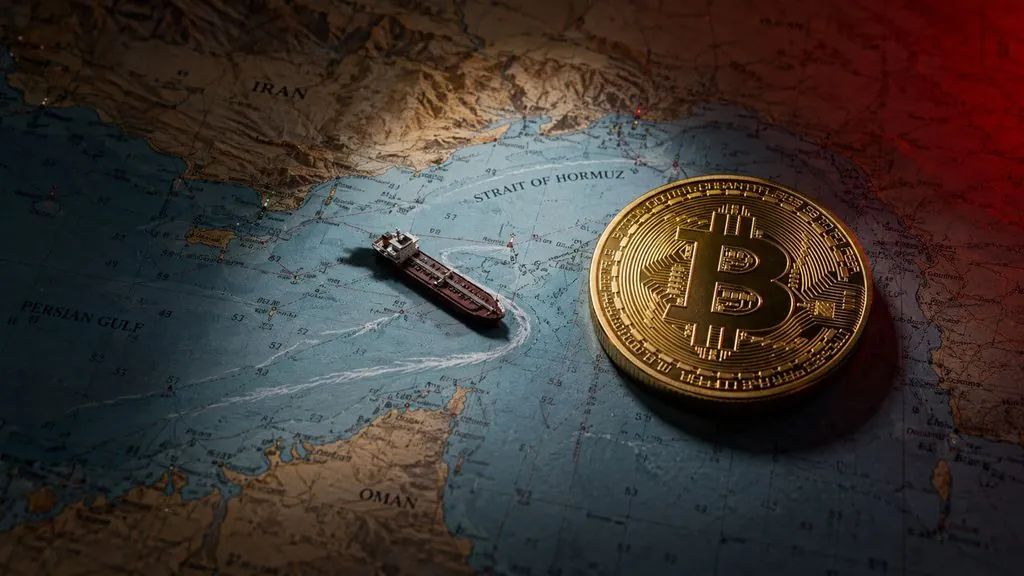
Escalating U.S.-Iran tensions typically introduce volatility into global energy and financial markets. Oil prices, shipping insurance costs, and currency pairs tied to geopolitical risk often respond to military posturing in the Strait of Hormuz and surrounding waters. The 30-vessel redirect signals a tightening of maritime chokepoint controls, which could affect trade flows and commodity pricing.
Why It Matters
For Traders
Oil and risk-correlated assets may face volatility; watch energy futures and flight-to-safety flows in the next 24-48 hours.
For Investors
Geopolitical friction at critical shipping chokepoints can disrupt supply chains and energy costs, affecting long-term portfolio allocation to commodities and emerging markets.
For Builders
Blockchain-based trade finance and stablecoin settlement could gain traction if traditional banking and shipping corridors face friction or delays from geopolitical disruption.
This article is for information only and is not financial advice. Read the full disclaimer.