Lite Strategy Funds Buybacks by Selling Litecoin Treasury Without Debt
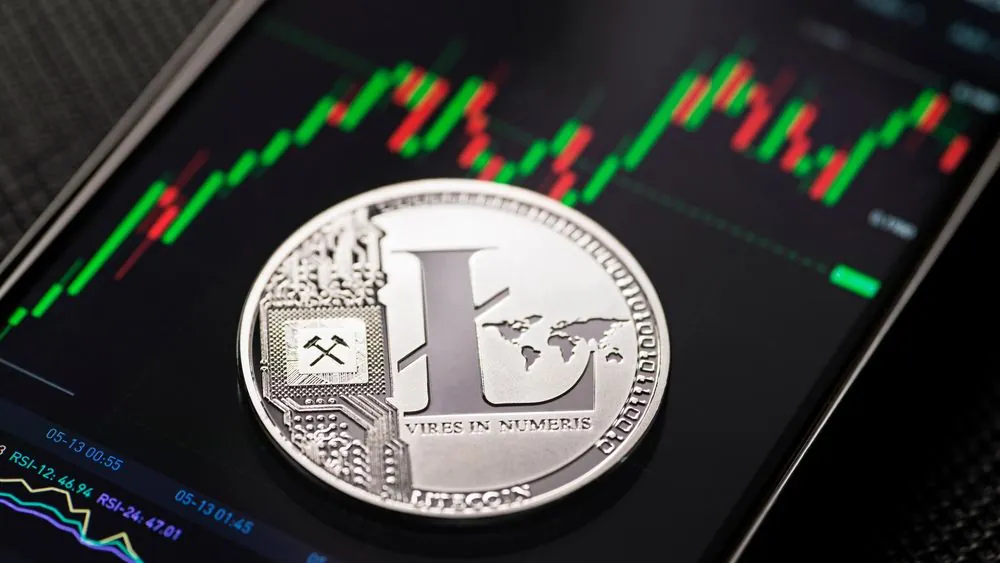
Lite Strategy sold a portion of its Litecoin treasury to fund stock buybacks without issuing debt, according to reporting from CryptoSlate. The company's share count increase narrowly outpaced an 11.89% decline in LTC price over the period.
Written by CoinArticle’s AI Newsroom · from 1 cited source. How we work
Treasury Sale to Fund Buybacks
Lite Strategy executed stock buybacks by liquidating part of its Litecoin reserve, avoiding the use of debt financing for the transaction. According to CryptoSlate, the company sold a portion of its LTC holdings to raise capital for the repurchase program.
Share Dilution Dynamics
During the period covered, Litecoin declined 11.89% in price. Despite this headwind, Lite Strategy's share count increase remained modest relative to the LTC selloff, suggesting the company calibrated the buyback size to manage dilution pressure. The narrow margin between share count growth and the asset price decline underscores the trade-offs inherent in using primary reserve assets to fund capital returns.
Why It Matters
For Traders
Lite Strategy's LTC sales may indicate reduced conviction in near-term Litecoin upside or cash needs, though the size relative to total treasury remains unclear.
For Investors
Using primary reserve assets for buybacks rather than debt raises questions about capital allocation priorities and the company's view of its intrinsic value.
For Builders
This move signals how corporate treasuries manage crypto holdings during downturns; reserve depletion via non-debt mechanisms affects long-term balance sheet strength.
This article is for information only and is not financial advice. Read the full disclaimer.