Pakistan Mediates Iran-US Diplomacy as Regional Tensions Simmer
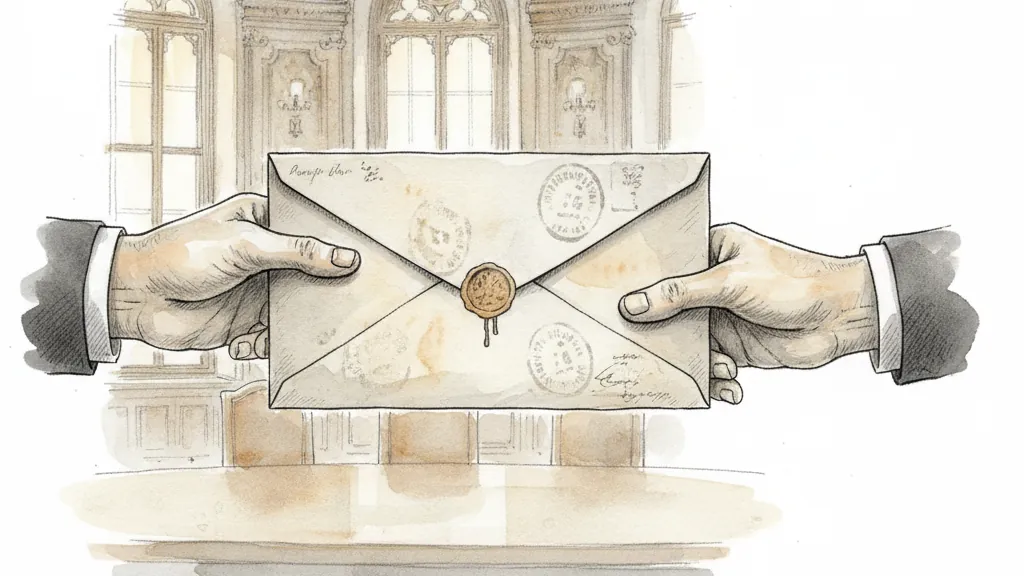
Pakistan has forwarded Iran's formal response to the United States through diplomatic channels, reinforcing Islamabad's role as a mediator in regional geopolitical tensions. The move underscores Pakistan's growing influence in Middle Eastern affairs and potential implications for global energy markets.
Written by CoinArticle’s AI Newsroom · from 1 cited source. How we work
Pakistan's Mediation Role Expands
Pakistan has transmitted Iran's diplomatic response to the United States, positioning itself as an active intermediary in escalating regional tensions. The move reflects Islamabad's deliberate cultivation of ties with both Tehran and Washington, a balancing act that has gained importance as traditional diplomatic channels between the two nations remain strained.
Geopolitical and Energy Implications
Pakistan's mediation effort signals its ambition to shape outcomes in one of the world's most volatile regions. The country's willingness to serve as a communication conduit carries implications for global energy security, given Iran's role as a major oil and gas producer and the dependence of Asian markets on stable Middle Eastern supply chains. How these diplomatic exchanges resolve will likely influence crude prices, natural gas flows, and broader investor sentiment toward energy and emerging-market assets.
Broader Context
The escalation of diplomatic activity through Pakistani intermediaries suggests neither the U.S. nor Iran has entirely closed the door on negotiated settlement, despite public posturing. Successful mediation could ease regional tensions and reduce geopolitical risk premiums embedded in energy and cryptocurrency markets. Conversely, a breakdown in talks could trigger fresh volatility across commodities and risk assets.
Why It Matters
For Traders
Geopolitical de-escalation or escalation through Pakistan's mediation could shift crude oil and natural gas futures, with knock-on effects for energy-linked equities and macro risk sentiment.
For Investors
Pakistan's expanded diplomatic role reshapes regional power dynamics; successful mediation could lower emerging-market political risk premiums and stabilize energy supply expectations.
For Builders
Infrastructure projects in Pakistan and Iran depend on geopolitical stability; major changes in U.S.-Iran relations affect regulatory and operational risk for cross-border protocols and payment layers.
This article is for information only and is not financial advice. Read the full disclaimer.