U.S. Treasury Expands Iran Sanctions to Crypto Over $100M Oil Payments
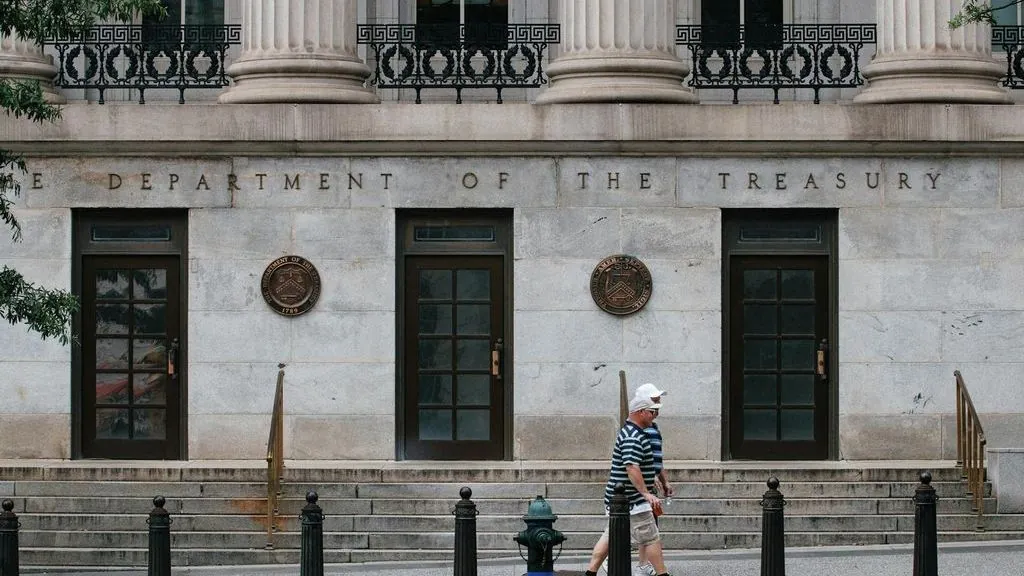
The U.S. Treasury's Office of Foreign Assets Control expanded sanctions against Iran's cryptocurrency sector, citing over $100 million in crypto transactions processed for Islamic Revolutionary Guard Corps-affiliated oil sales since 2023. The action targets individuals and entities facilitating payments for Iranian crude shipments.
Written by CoinArticle’s AI Newsroom · from 2 cited sources. How we work
Scope of New Sanctions
The Treasury's Office of Foreign Assets Control designated additional targets in Iran's cryptocurrency infrastructure as part of a broader sanctions expansion that also covers gold, shipping, and technology sectors. According to Treasury statements, the new designations focus on individuals and entities that processed cryptocurrency payments for IRGC-QF, a division of Iran's Islamic Revolutionary Guard Corps that oversees oil sales.
The Crypto Payments Network
Treasury officials identified Ivan Obukhov as a key figure in processing over $100 million in cryptocurrency for IRGC-QF oil transactions dating back to 2023. The designation documents describe a network moving funds through the crypto sector to obscure the origins and destinations of proceeds from Iranian oil sales to evade existing U.S. sanctions on Iranian petroleum exports.
Broader Enforcement Strategy
The crypto designations sit within a wider Treasury initiative targeting Iranian revenue generation across multiple asset classes and channels. By expanding sanctions beyond traditional financial institutions into cryptocurrency, gold markets, and shipping logistics, the U.S. is attempting to close routes that Iran has used to circumvent earlier sanctions targeting its oil and financial sectors directly.
Why It Matters
For Traders
Exchanges and OTC desks may face pressure to enhance sanctions screening for Iran-linked wallets and transactions; compliance costs could ripple into fee structures.
For Investors
Continued U.S. enforcement against state actors using crypto signals ongoing regulatory risk for exchanges and custodians operating in the U.S., particularly around AML and sanctions obligations.
For Builders
Privacy and mixing protocols face renewed scrutiny as Treasury documents demonstrate detection of sophisticated fund obfuscation; compliance infrastructure for chain analysis firms will likely expand.
This article is for information only and is not financial advice. Read the full disclaimer.