Binance Warns of Scams After $6.3 Billion Hack as Withdrawals Resume in Phases
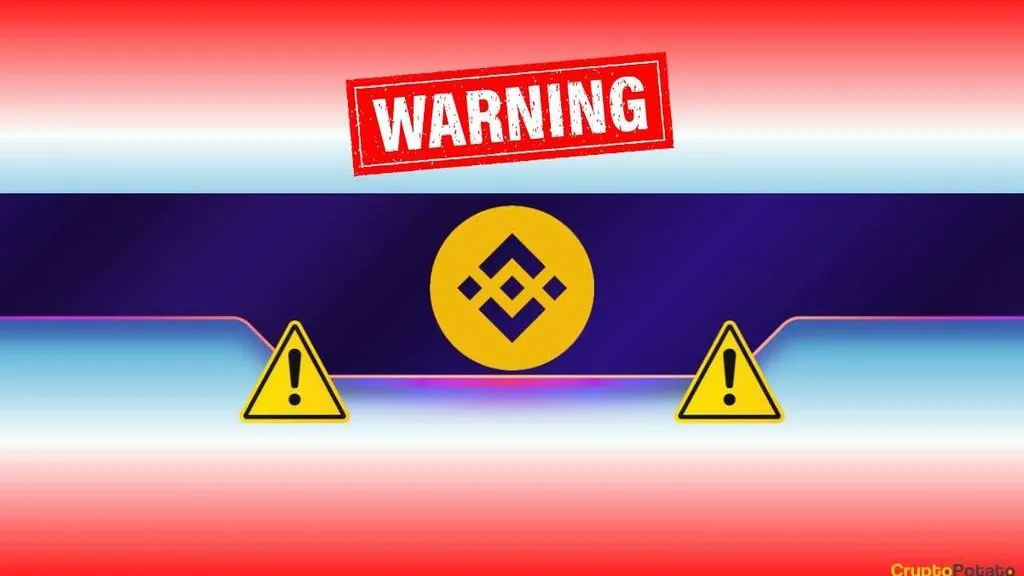
Binance co-founders Changpeng Zhao and Yi He warned users this week that scammers are targeting victims of the exchange's $6.3 billion hot-wallet breach. The warnings come as withdrawals resume in phases and net outflows reach roughly $3.64 billion.
Written by CoinArticle’s AI Newsroom · from 2 cited sources. How we work
The Breach and Attribution
Attackers drained approximately $6.3 billion from Binance hot wallets on October 29, 2026, across 10 blockchains, making it the largest crypto hack on record. Sources differ on the exact date: Crypto Briefing gives October 29, while CryptoPotato cites October 30. Blockchain analytics firms TRM Labs and Chainalysis attributed the breach to TraderTraitor, a group linked to North Korea.
Containment and Reimbursement
Binance suspended withdrawals and worked with partners and token issuers to freeze stolen assets. Crypto Briefing reports that around $3 billion was frozen, with Tether and Circle helping freeze an estimated $2.4 billion to $3 billion in stablecoins suspected of links to the attack. The exchange has set aside $6.34 billion in company funds to cover user losses, drawing on its Secure Asset Fund for Users (SAFU) and its own reserves. CryptoPotato reports that 95% of the affected amount has been replenished, a figure Crypto Briefing does not confirm.
Withdrawals and Outflows
Binance began restoring withdrawals in phases, starting November 1 with networks including Bitcoin, Ethereum, BNB Smart Chain and XRP. CryptoPotato reports that users withdrew about $4.65 billion in under 10 hours against roughly $1.01 billion in deposits, for net outflows of about $3.64 billion. Crypto Briefing cites the same net outflow figure and notes the pace of withdrawals has since slowed. Fiat withdrawals have also reopened for USD, AED, VND, PJP and IDR, according to CryptoPotato.
Market Reaction
Bitcoin fell to a six-week low of around $76,000 as panic spread, then recovered to above $78,000 over the following weekend, per Crypto Briefing. CryptoPotato reports that most altcoins also fell initially but that the sell-off stayed relatively modest and did not spread into broader contagion.
Scam Warnings
Changpeng Zhao warned on November 2 that fraudsters were targeting hack victims with fake refund, recovery and account verification offers. Co-founder and chief customer service officer Yi He said there is currently no cash voucher campaign, despite claims circulating on X, and that the program has not received regulatory approval. She also flagged Telegram scams that embed fake "Binance Official Announcements" in GRAM transfer details. Users are advised to verify any link or message independently before interacting with it.
Why It Matters
For Traders
Withdrawal pace and net outflows are the near-term signals to watch, and users should treat unsolicited recovery or voucher offers as likely fraud.
For Investors
The scale of the loss and the reserve-backed reimbursement will test confidence in centralized exchange custody and in Binance's solvency over the coming quarters.
For Builders
The attack's reliance on hot-wallet compromise and stablecoin freezes highlights the need for stronger key management and issuer cooperation in exchange infrastructure.
This article is for information only and is not financial advice. Read the full disclaimer.