Elon Musk vs OpenAI: Kalshi Odds Climb Amid For-Profit Revelations
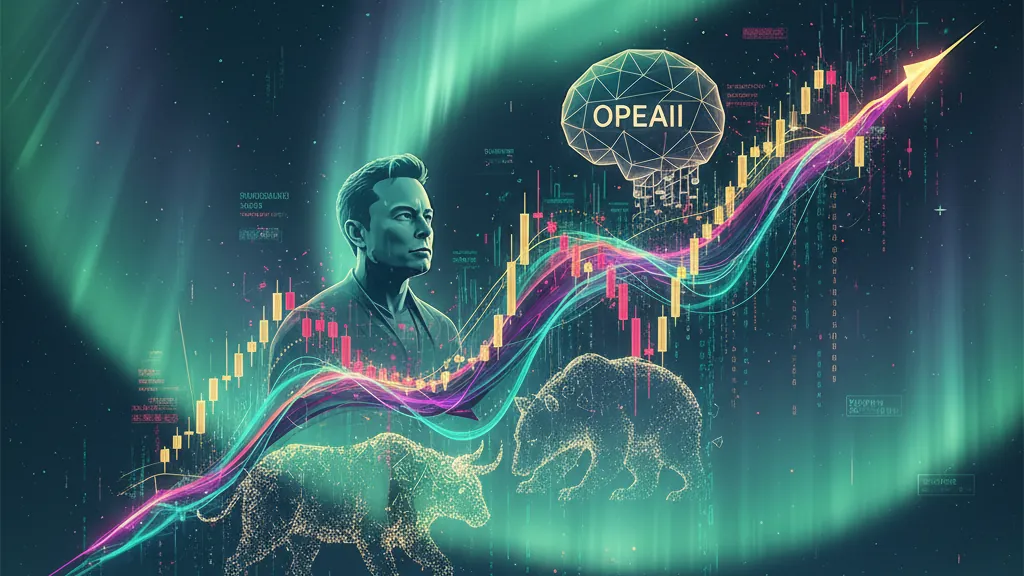
Betting odds on Kalshi for Elon Musk's legal victory against OpenAI have surged following the release of private notes suggesting profit-driven intentions from the AI organization. This development raises questions about the nonprofit values initially pledged by OpenAI and has significant implications for the tech industry.
Written by CoinArticle’s AI Newsroom · from 1 cited source. How we work
Kalshi Odds of Elon Musk Winning His Case Against OpenAI Surge After Private Notes Reveal For-Profit Intent
In a significant turn of events, the betting odds on Kalshi for Elon Musk emerging victorious in his legal case against OpenAI have surged dramatically. This uptick is largely attributed to newly surfaced private notes that indicate OpenAI's pursuit of for-profit intentions, raising questions about the alignment of its mission with traditional nonprofit values.
Background of the Case
Elon Musk, a co-founder of OpenAI, has launched legal proceedings against the organization, alleging that its current operations diverge from the altruistic goals set forth at its inception. Known for its groundbreaking advancements in artificial intelligence, OpenAI was initially founded with the promise of ensuring that AI technology benefits humanity as a whole. However, the emergence of private notes suggesting a shift towards profit-driven endeavors has fueled Musk's claims and cast a shadow on the organization's integrity.
Odds Surge on Kalshi
Kalshi, a platform that offers event contracts for predictive betting, has reported a notable rise in the odds associated with Musk's chances of winning the case. This surge reflects growing sentiment among bettors who perceive the newly released information as pivotal in determining the outcome of the proceedings. The notes hint at a possible conflict between the nonprofit objectives that initially defined OpenAI and its current financial ambitions, which could play a central role in the legal arguments.
As the case unfolds, it not only affects Musk and OpenAI but also raises broader concerns about the trustworthiness of technology organizations. This dilemma could have far-reaching implications for the tech sector, especially as more entities navigate the balance between innovative pursuits and sustainable business models.
Why It Matters
For Traders
Traders on platforms like Kalshi may find the evolving situation intriguing, as the fluctuations in odds could present new opportunities for profit. As more information emerges, traders should stay alert for any developments that could further sway public sentiment and odds, allowing them to capitalize on market movements.
For Investors
Investors in tech and AI sectors should monitor the case closely, given its potential to set precedents around corporate governance and ethical standards in technology. The outcome may influence investor confidence across the industry, particularly in organizations that straddle the line between for-profit and nonprofit missions.
For Builders
For developers and entrepreneurs in the tech space, this case serves as a cautionary tale regarding mission alignment. The potential conflicts between ethical commitments and financial aspirations could impact how startups are structured and operate moving forward. As these discussions gain traction, builders might consider the implications of their organizational missions on their operational strategies and stakeholder trust.
In conclusion, the case between Elon Musk and OpenAI is not merely a legal battle; it is a pivotal moment that underscores the complexities surrounding the motivations of tech organizations and the broader implications for the industry.
This article is for information only and is not financial advice. Read the full disclaimer.