Geopolitical Tensions Escalate as Israeli-Hezbollah Conflict Intensifies
An Israeli military strike killed a Lebanese soldier, marking an escalation in the ongoing conflict with Hezbollah. The incident complicates ceasefire negotiations and raises risks of prolonged regional instability.
Written by CoinArticle’s AI Newsroom · from 1 cited source. How we work
Escalating Military Operations
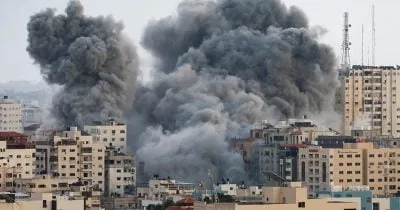
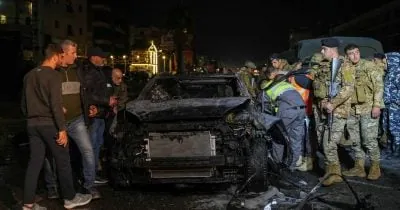
An Israeli airstrike resulted in the death of a Lebanese soldier, according to reports of the incident. The strike adds to a pattern of cross-border military activity between Israeli forces and Hezbollah positions in Lebanon, heightening tensions in the region.
Ceasefire Prospects Clouded
The killing complicates ongoing diplomatic efforts to establish a ceasefire between the parties. Regional instability of this scale typically extends the timeline for military de-escalation and may lengthen the period of Israeli military presence in Lebanese territory, according to analysis of similar conflicts.
Broader Regional Context
The incident occurs against a backdrop of sustained proxy conflicts and sectarian tensions across the Middle East. Military escalations of this nature historically create uncertainty for cross-border commerce, energy infrastructure, and international trade routes that pass through the region.
Why It Matters
For Traders
Regional conflict risk premiums may widen safe-haven demand for BTC and stablecoins if escalation continues, though the direct crypto market impact depends on broader market structure.
For Investors
Prolonged Middle East instability typically correlates with oil price volatility and currency fluctuations; crypto portfolios with macro hedges should monitor geopolitical developments closely.
For Builders
Cross-border infrastructure and remittance use cases in conflict zones become more relevant; teams working on censorship-resistant payment rails should track regional stability shifts.
This article is for information only and is not financial advice. Read the full disclaimer.