Hyperliquid Falls From $75.48 Record as Arthur Hayes Exits HYPE Position
Hyperliquid's HYPE token fell roughly 17% from its all-time high of $75.48 after BitMEX co-founder Arthur Hayes sold his full position, worth about $18 million. Later reporting shows HYPE rallied toward $97 before whale profit-taking and a fresh weekly decline of about 18%, with the token at a four-week sampled low.
Written by CoinArticle’s AI Newsroom · from 7 cited sources. How we work
Story Updates
- Updated Nov 10, 2026, 04:39 PM: The Defiant reports HYPE fell 18% in a week to a four-week low while daily fees recovered from an early-November dip.
- Updated Nov 6, 2026, 06:01 PM: CryptoPotato reports HYPE slid to about $57 after a record near $65, with support flagged at $52 and RSI cooling from overbought levels.
- Updated Nov 6, 2026, 11:58 AM: Adds Hyperliquid Strategies' FCM application, a rally toward $97, and whale profit-taking pushing HYPE near $78.
- Updated Nov 3, 2026, 10:01 AM: Adds May CFTC-driven record and open-interest surge, Hyperliquid revenue and volume data, and HYPE ETF and token-supply context.
- Updated Nov 3, 2026, 08:28 AM: Adds early-November price action, the ICE and Trade[XYZ] regulated-venue agreement, and the upcoming team-token distribution.
The Selloff and Hayes's Exit
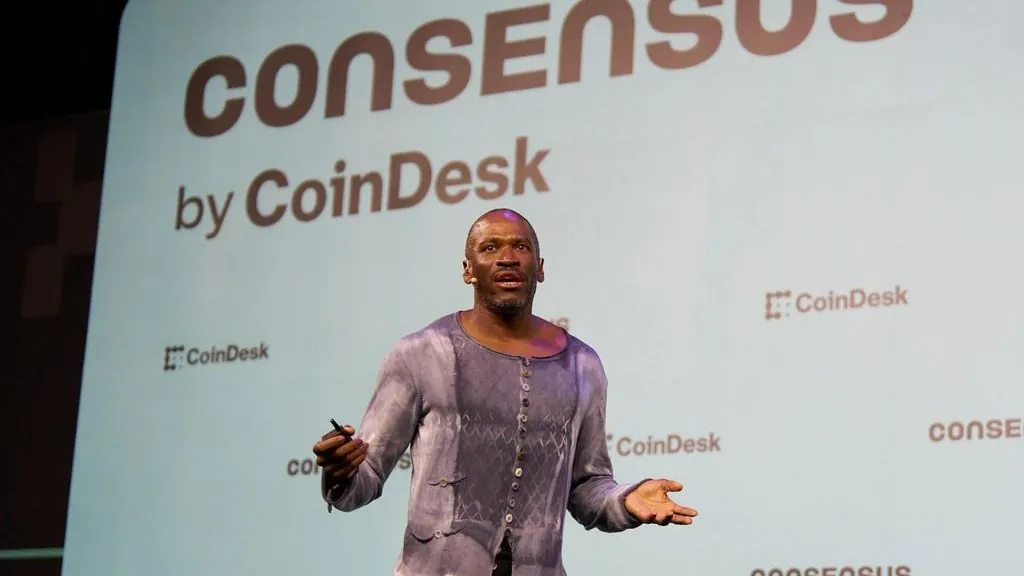
HYPE traded near $62 on Friday, June 5, after falling from an all-time high of $75.48 a day earlier, according to crypto.news. Onchain Lens data showed Arthur Hayes sold approximately 247,334 HYPE, valued at about $18.02 million, which crypto.news reported on June 4. CoinDesk framed the exit as Hayes taking profits short of the $150 price target he had publicly projected for the token.
Hayes's sale was not the only reduction in exposure. Andrew Kang and Andreas Brekken were also linked to sizable sales, and the concentrated selling overwhelmed spot demand. The token briefly touched the $58 area before buyers stepped in.
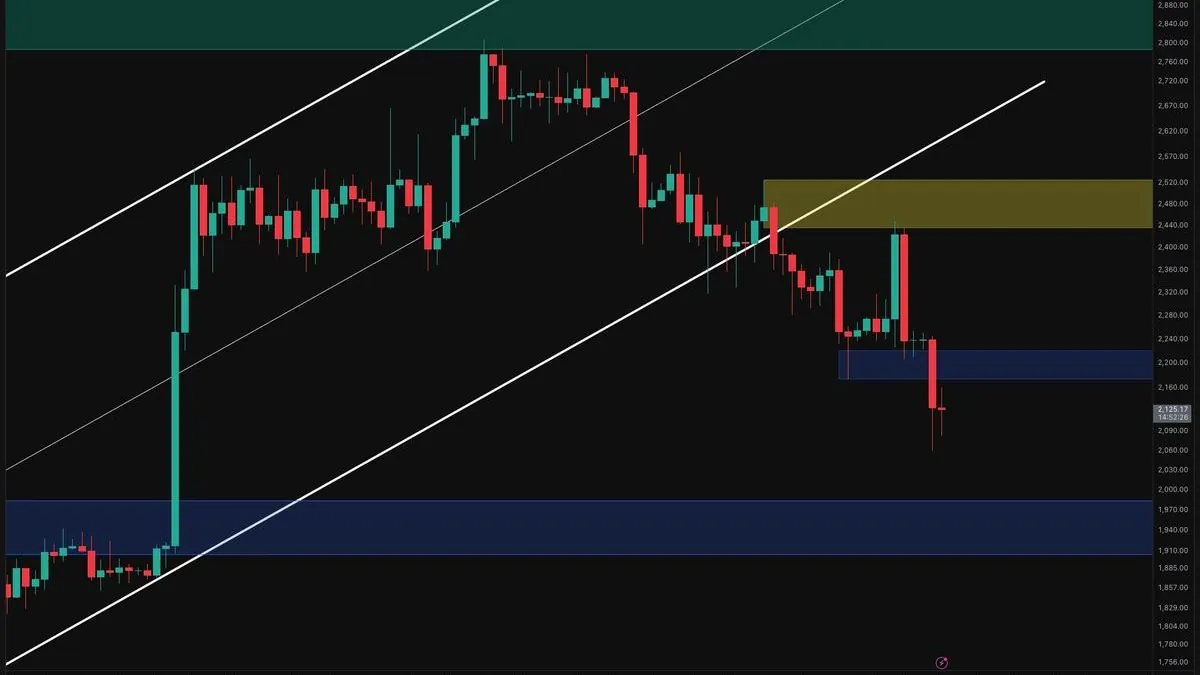
The pullback has since deepened. CryptoPotato, citing technical analyst Duo Nine, reported that HYPE set a new record just under $65 before sellers returned, pushing the price to around $57 with key support flagged at $52.
The Run-Up Before the Peak
The June high followed a sharp move in late May. HYPE hit a $67 all-time high on May 30, after the U.S. Commodity Futures Trading Commission acknowledged that perpetual futures contracts are legitimate instruments for price discovery and risk management. Aggregate open interest across major exchanges reached $2.9 billion that day, up 30% from the prior week, and the token had gained 23% over that week.
The rally pulled in leveraged demand, and open interest reached an all-time high alongside price, raising the stakes for short sellers. Jake Chervinsky, CEO of Hyperliquid Policy Center, noted that the immediate benefit of the CFTC statement flows to centralized exchanges, and that regulatory clearance for decentralized perpetuals "will likely take longer." The annualized funding rate on HYPE perpetuals also dropped to zero that Friday, versus a typical level near 9%, a sign of rising bearish positioning.
Duo Nine noted that the 3-day RSI reached above 77, a level not seen since May 2025, which he described as a sign the token had become overheated before the pullback.
Later Rally and Whale Profit-Taking
HYPE later rallied on an October 29 announcement by Intercontinental Exchange, parent of the New York Stock Exchange, of an agreement with Trade[XYZ] to develop a regulated trading platform using Hyperliquid infrastructure. The token rose more than 17% to roughly $93.74 after that announcement, and briefly touched about $97 in the following days.
The rally then faltered. CoinJournal reported that HYPE fell 4% on a Friday to around $78 as large investors took profits. Santiment data cited by the outlet showed four large wallets collectively realized approximately $5 million after closing long positions. One wallet reportedly accumulated HYPE from late May and exited roughly 310,000 tokens between $94 and $95, realizing about $2.4 million. Two other wallets reportedly realized roughly $987,000 and nearly $1 million. ICE later removed an earlier promotional post and published a revised message stressing regulatory requirements, including identity checks, anti-money laundering procedures and access through regulated intermediaries. The proposed U.S. market has not received final regulatory approval, and no launch date or initial contract list has been announced.
Recent Weekly Decline
The token has since weakened further. The Defiant reported that HYPE fell 18% over the past week, underperforming both Bitcoin and Ether, and reached a four-week sampled low. The same report noted that daily fees on the platform had recovered from an early-November dip, a divergence between network activity and token price.
Regulatory Filing and Institutional Path
Hyperliquid Strategies announced an application for registration as a futures commission merchant (FCM) alongside its third-quarter financial results released Thursday. The company intends to establish a regulated intermediary capable of carrying U.S. customer accounts for permissioned derivatives markets deployed on Hyperliquid's infrastructure, subject to CFTC framework approvals.
Under the planned structure, independent operators could launch and manage permissioned markets through Hyperliquid's HIP-3 framework and would be responsible for meeting applicable regulatory requirements, while the underlying blockchain would continue functioning as a neutral infrastructure layer. The FCM registration has not been approved, so the arrangement remains a proposal.
Hayes's Explanation and the Trader Reaction
Hayes attributed the exit to macroeconomic headwinds, including oil prices pushed higher by Middle East tensions, liquidity demand from several large AI-related IPOs, and the risk of a broader financial market downturn later this year. CoinDesk reported that the sale drew backlash from some traders because it came well below his recent bullish forecasts.
Hayes maintained a long-term bullish view. In a June post on X he wrote that dumping his position "doesn't mean I still don't have faith $HYPE will best $SOL by year end." Both reports noted that Hayes had also issued a $100,000 charity bet that HYPE would outperform other top-10 cryptocurrencies, a wager that sits uneasily beside the exit.
Technical Picture, Derivatives and Supply
Crypto.news measured the retracement from the January low near $20.4 to the June peak near $75.7, and momentum had weakened, with the daily MACD producing its first bearish crossover since the May rally. CoinGlass data showed dense leveraged positions between $60 and $64. In the later period, CoinJournal reported that at about $77 HYPE trades below its short- and medium-term exponential moving averages, failed to break a descending resistance trendline, and the daily RSI sits near 42.
On fundamentals, Cryptohopper reported that weekly perpetual volumes on Hyperliquid held above $35 billion for two consecutive months, and that the platform generated $55 million in revenue over the prior 30 days. Two supply factors cut the other way: a monthly unlock of roughly 309,000 tokens running through November 2027, and 389 million unreleased tokens with no specific allocation. Bitwise and 21Shares HYPE ETFs, launched May 12, had combined net assets of $122 million at the time of that reporting.
Conflicting Read on Institutional Flows
Sources diverge on what the June selloff signalled about institutional demand. Crypto.news reported that wallets linked to the selling were distinct from the ETF issuers, while the ETFs' asset base remained a counterpoint to the on-chain exits.
Why It Matters
For Traders
HYPE's sharp weekly decline and loss of the $75 area leave near-term support levels around $52 to $57 in focus for anyone with open exposure over the next several days.
For Investors
Large holder exits and a weakening weekly trend contrast with steady platform volumes and fees, so the medium-term thesis now depends on whether revenue growth can absorb ongoing unlock pressure.
For Builders
Fees recovering while the token lags suggests protocol usage and token value are diverging, which matters for any builder whose incentives or tokenomics assume the two move together.
This article is for information only and is not financial advice. Read the full disclaimer.