Iran's Control Over the Strait of Hormuz: Implications for Global Markets
Iran's recent assertion of control over the Strait of Hormuz is raising global tensions and causing ripples in energy markets. This pivotal waterway, crucial for oil supply, is now at the center of geopolitical concern.
Written by CoinArticle’s AI Newsroom · from 1 cited source. How we work
Iran Asserts Control Over the Strait of Hormuz, Escalating Tensions
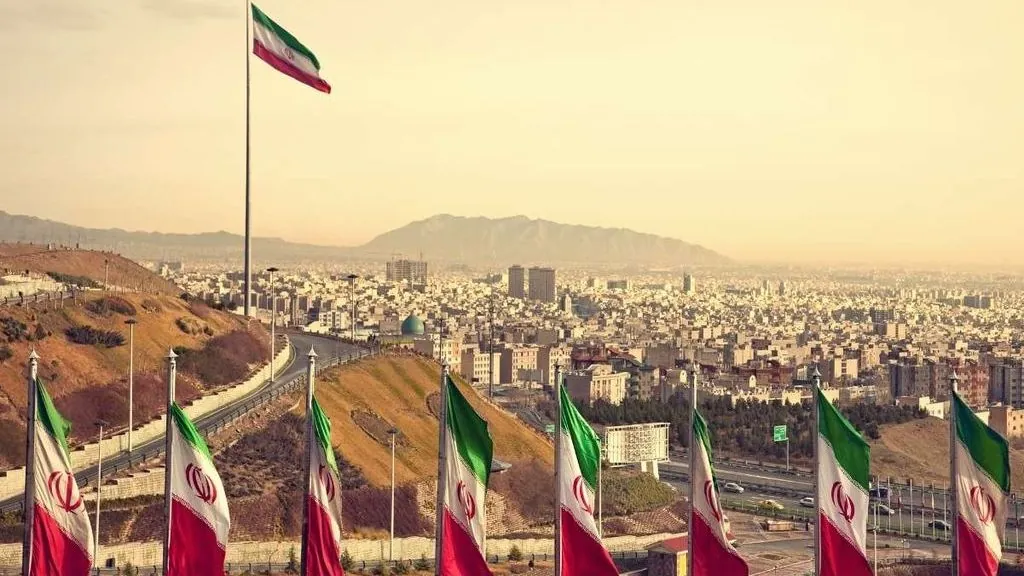
In a significant development with widespread implications for global markets, Iran has recently asserted control over the strategically vital Strait of Hormuz—a major conduit for a substantial portion of the world’s oil supply. This move intensifies ongoing geopolitical tensions in the region as Iran seeks to reinforce its influence over critical international shipping routes. The Strait of Hormuz is essential for global energy markets, with nearly 20% of the world’s oil trade transiting through it daily, making Iran's actions particularly consequential for nations reliant on these supplies.
Iran's claims have heightened concerns regarding the stability of this crucial maritime passage. The Strait, a narrow stretch between Iran and Oman, is often viewed as a flashpoint for international conflict, especially given the geopolitical interests of the U.S. and its allies in the region. This escalation creates a precarious security environment that may invite retaliatory measures from other powers, further complicating the diplomatic landscape and raising the specter of potential military confrontations.
Why It Matters
For Traders
Traders in commodities and energy markets are closely monitoring developments in the Strait of Hormuz, as Iran's assertion of control could lead to increased volatility in oil prices, potentially prompting traders to hedge their bets.
For Investors
Investors in oil and gas equities may experience fluctuations in stock values due to the evolving geopolitical climate, encouraging a reassessment of their portfolios and considerations for diversifying into less conflict-sensitive energy sources.
For Builders
Builders and developers in the energy sector must navigate increased geopolitical risks, which may deter investment in new projects or lead to higher insurance costs, prompting a strategic shift towards renewable energy solutions.
As Iran continues to assert its influence over the Strait of Hormuz, stakeholders across the energy landscape must remain vigilant and adaptable to the unfolding geopolitical drama that is likely to shape global energy markets in the foreseeable future.
This article is for information only and is not financial advice. Read the full disclaimer.