Italian Navy Boards Russian Tanker, Raising Sanctions Enforcement Questions
The Italian navy intercepted a Russian tanker in international waters, highlighting enforcement gaps in oil sanctions regimes. The incident underscores the operational and regulatory complexities facing maritime authorities tracking shadow fleet activity.
Written by CoinArticle’s AI Newsroom · from 1 cited source. How we work
Boarding and Enforcement Context
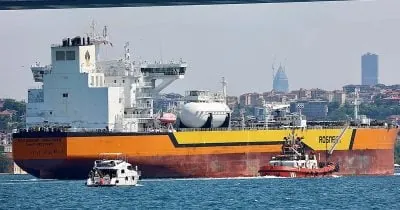
The Italian navy boarded a Russian-flagged tanker in international waters, marking another enforcement action in the broader effort to police sanctions against Russian energy exports. The incident illustrates the operational challenges faced by naval authorities attempting to monitor and intercept vessels suspected of circumventing international sanctions, particularly in open ocean zones where jurisdiction is contested and coordination between nations is required.
Implications for Shadow Fleet Tracking
The boarding raises questions about the effectiveness of existing maritime monitoring and cooperation mechanisms. Shadow fleets—vessels often operating under obscured ownership structures and routing patterns—have become the primary method through which sanctioned oil continues to reach buyers. Enforcement actions like the Italian interception demonstrate both the willingness of some nations to act and the resource constraints that make consistent, global interdiction operationally difficult.
Regulatory and International Cooperation
The episode is likely to accelerate discussions among Western maritime authorities about tighter international regulations and improved intelligence-sharing on vessel tracking. Countries enforcing sanctions face a coordination problem: individual naval actions have limited deterrent effect without systematic tracking and enforcement across multiple jurisdictions. Tighter protocols, real-time vessel monitoring systems, and bilateral agreements between naval forces may follow.
Why It Matters
For Traders
Energy price volatility tied to sanctions enforcement remains a macro backdrop for oil-correlated assets; individual interceptions have limited price impact but signal tighter enforcement trends.
For Investors
Escalating sanctions enforcement could reduce shadow fleet profitability and raise operating costs, which eventually flows into crude spreads and shipping valuations.
For Builders
On-chain energy settlement and derivatives platforms tracking commodity sanctions compliance face increasing pressure from regulators to embed enforcement-aware infrastructure.
This article is for information only and is not financial advice. Read the full disclaimer.