Keir Starmer Reaffirms Labour Leadership Despite Mandelson Scandal
Labour leader Keir Starmer has publicly committed to his leadership role amid internal turmoil triggered by a Peter Mandelson scandal, raising questions about party governance. Political instability within the UK opposition could impact market sentiment, policy predictability, and business confidence across multiple sectors.
Key Takeaways
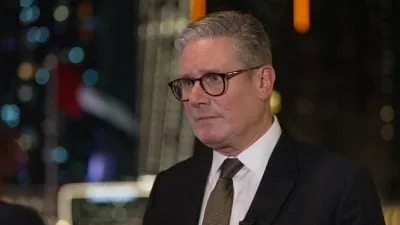
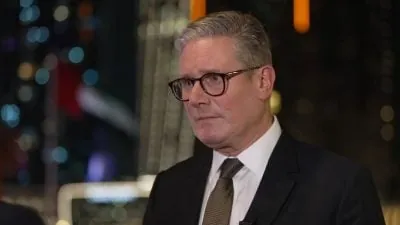
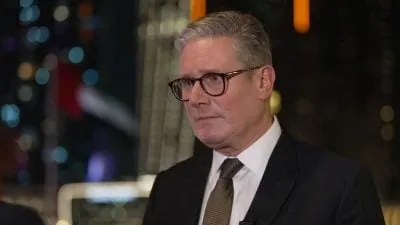
- 1# Keir Starmer Reaffirms Labour Leadership Despite Mandelson Scandal Keir Starmer has publicly reaffirmed his commitment to leading the Labour Party, despite mounting pressure stemming from a scandal involving former senior figure Peter Mandelson.
- 2The statement comes as the party navigates internal tensions and external scrutiny over governance and leadership stability.
- 3## Current Situation Starmer's resolute declaration reflects an attempt to stabilize the party amid controversy.
- 4The Mandelson scandal has intensified questions about party management and decision-making processes, with critics arguing that recent events expose weaknesses in Labour's institutional oversight.
- 5Despite these challenges, Starmer maintains that his leadership direction remains unchanged and his vision for the party continues to evolve.
Keir Starmer Reaffirms Labour Leadership Despite Mandelson Scandal
Keir Starmer has publicly reaffirmed his commitment to leading the Labour Party, despite mounting pressure stemming from a scandal involving former senior figure Peter Mandelson. The statement comes as the party navigates internal tensions and external scrutiny over governance and leadership stability.
Current Situation
Starmer's resolute declaration reflects an attempt to stabilize the party amid controversy. The Mandelson scandal has intensified questions about party management and decision-making processes, with critics arguing that recent events expose weaknesses in Labour's institutional oversight. Despite these challenges, Starmer maintains that his leadership direction remains unchanged and his vision for the party continues to evolve.
The Labour leader's commitment appears calculated to project strength during a period of organizational uncertainty. Political observers note that such public reaffirmations are typically deployed when leadership faces credible internal or external challenges that could undermine confidence.
Market and Political Implications
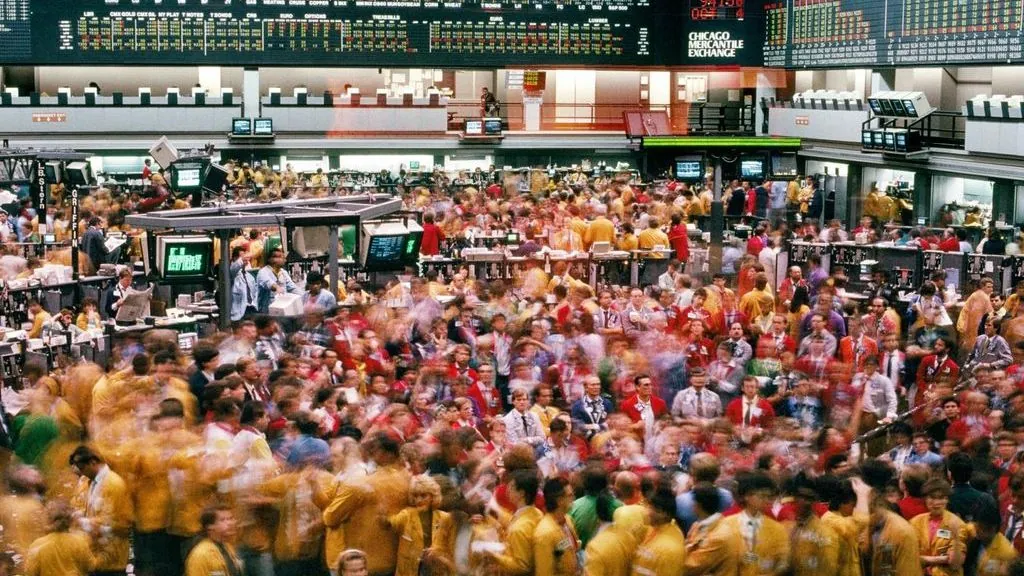
Financial markets have responded with measured skepticism toward the political situation. Analysts suggest that prolonged internal instability within a major UK political party could introduce broader economic uncertainty, particularly given Labour's electoral prospects and policy influence on markets.
The scandal has reignited debate about Labour's internal governance structures and whether existing mechanisms adequately prevent or address similar controversies. Party members and observers have questioned whether the current institutional framework can withstand sustained pressure.
Why It Matters
For Traders: Political instability within opposition parties affects market sentiment regarding future policy directions. UK equity markets, sterling valuations, and sector-specific exposure require monitoring for signals of broader governance concerns.
For Investors: Long-term UK-focused holdings should be evaluated based on whether this scandal reflects deeper organizational problems or represents manageable short-term disruption, as political stability correlates with policy predictability.
For Builders: UK entrepreneurs should consider how ongoing political uncertainty might affect business confidence, regulatory clarity, and policy implementation schedules for the startup and innovation ecosystem.
Looking Ahead
Starmer's position appears defensible in the short term, though market observers suggest sustained pressure could necessitate organizational restructuring or policy adjustments. The coming weeks will likely determine whether this scandal fades from prominence or evolves into a persistent challenge to Labour's institutional stability and electoral credibility.