US-Iran Tensions: Risks for Markets Amid Conflict Predictions
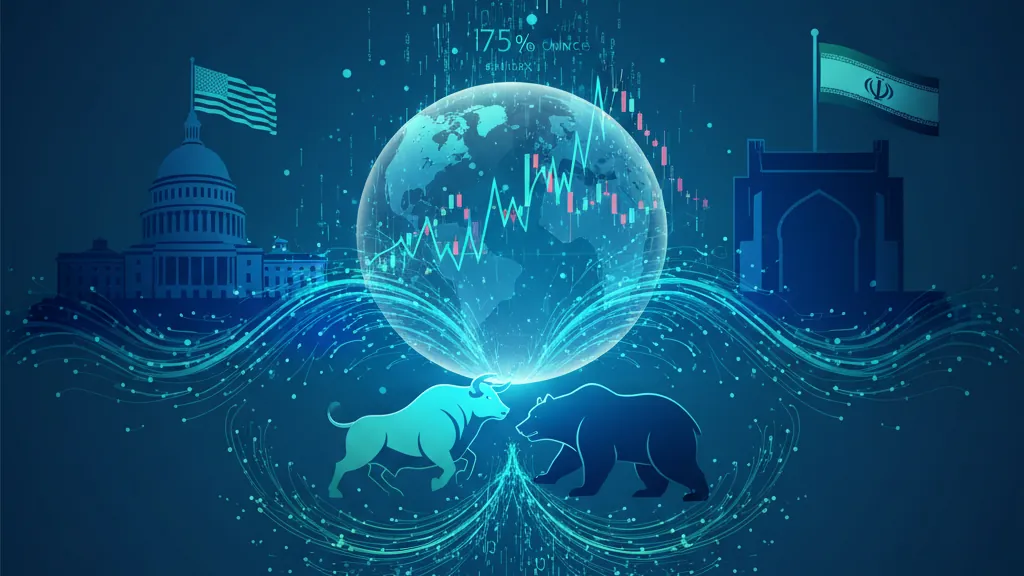
Political analyst Robert Pape predicts a 75% chance of conflict escalation between the U.S. and Iran, raising concerns over global stability. The evolving geopolitical situation poses risks and opportunities across various sectors.
Written by CoinArticle’s AI Newsroom · from 1 cited source. How we work
Overview of US-Iran Tensions
In a recent episode of "The Diary of a CEO," renowned political analyst Robert Pape outlined his predictions regarding the escalating tensions between the United States and Iran, suggesting a staggering 75% likelihood of conflict escalation in the near future. As geopolitical dynamics shift and saber-rattling continues, such forecasts raise significant questions about global stability and economic implications.
Pape delved into the complexities of nuclear materials targeting, emphasizing the difficulties in precisely pinpointing and neutralizing Iran's nuclear assets. The Iranian regime has shown remarkable resilience, employing a network of well-disguised facilities and strategic evasive measures to protect its nuclear ambitions from foreign interference. Pape's assessment highlights not only the precariousness of the situation but also the challenges facing U.S. policymakers in crafting an effective response.
The Geopolitical Landscape
The relationship between the U.S. and Iran has historically been fraught with tension. Encounters over nuclear development, regional proxy conflicts, and military posturing have all contributed to an increasingly volatile atmosphere. Pape's prediction underscores that the current state of affairs could lead to severe consequences, not just for the two nations but also for global peace and trade.
Iran's nuclear program continues to be a focal point of contention, prompting the U.S. to consider various strategies, including sanctions and diplomatic negotiations. However, Iran has shown an unwavering commitment to its objectives, complicating potential resolutions. As the international community watches and responds, investors and traders must be aware of the developments as they could impact various sectors, including energy and defense.
Why It Matters
For Traders
Traders must closely monitor the developments in the U.S.-Iran relationship as heightened tensions could significantly impact oil prices and energy stocks. A conflict escalation could lead to supply disruptions in key oil-producing regions, driving prices up and affecting energy contracts and futures trading.
For Investors
Investors should remain vigilant and diversify their portfolios, keeping an eye on industries that may be more resilient in the face of geopolitical instability. Sectors such as defense manufacturing and renewable energy may experience growth as governments react to the evolving situation. Understanding the political context can provide crucial insights that influence investment decisions.
For Builders
For innovators and builders in technology and infrastructure, the geopolitical instability may create both challenges and opportunities. While heightened tensions could delay partnerships and project initiatives in affected regions, the urgency for cybersecurity solutions and sophisticated surveillance technologies could spur growth in sectors addressing national security needs.
In summary, Robert Pape's predictions of a 75% chance of U.S.-Iran conflict escalation highlight the fragility of current geopolitical dynamics. It serves as a crucial reminder for all market participants to stay informed and consider the multifaceted implications of such escalations on their strategies and operations.
This article is for information only and is not financial advice. Read the full disclaimer.