$100 Monthly Bitcoin Buys Since 2015 Returned 4,515%, Coinbird Backtest Shows
A Coinbird backtest found that $100 invested in Bitcoin each month since 2015 would have grown $13,700 of contributions to about $632,000, a 4,515% return. The same analysis shows a 76.72% peak drawdown and lump-sum investing outperforming dollar-cost averaging in shorter-term scenarios.
Written by CoinArticle’s AI Newsroom · from 2 cited sources. How we work
What the Backtest Measured
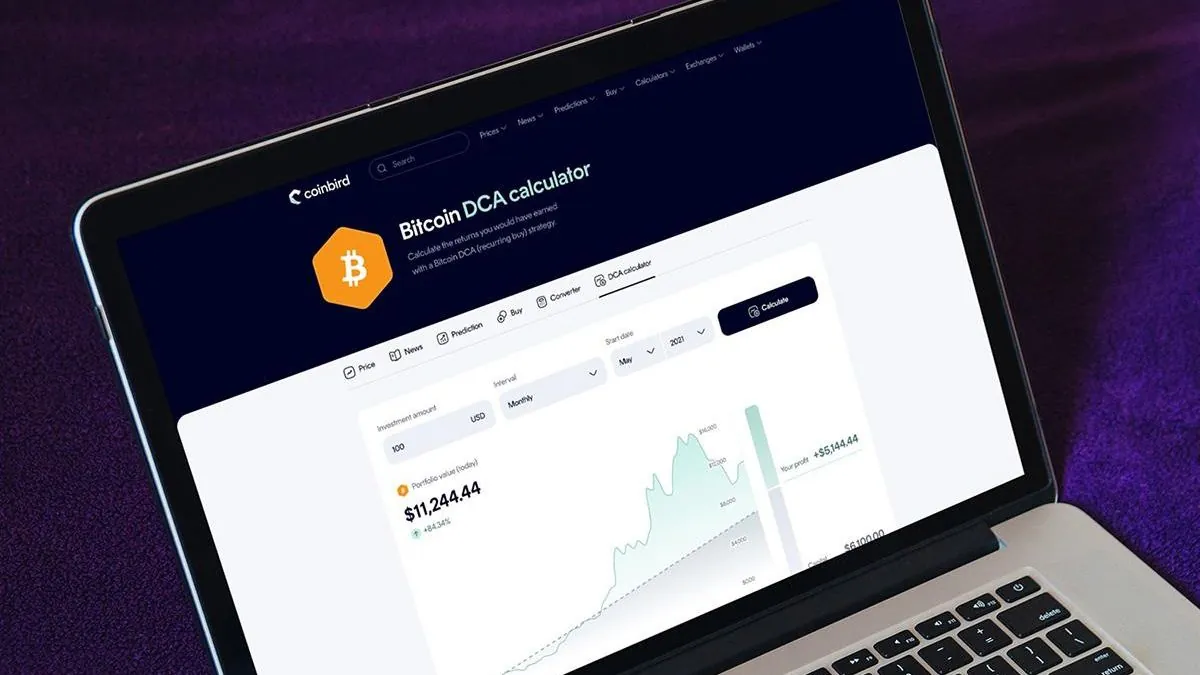
A $100 monthly Bitcoin purchase starting in 2015 would have grown $13,700 in total contributions to roughly $632,000, a return of 4,515%, according to a backtest published by crypto comparison platform Coinbird. The figures come from its Bitcoin DCA Calculator, which uses historical CoinGecko price data and excludes taxes and trading fees.
Both ZyCrypto and CryptoPotato, which republished the same Coinbird release, report identical headline figures. The release is a company-issued analysis distributed through the Chainwire newswire, so the underlying methodology is Coinbird's own rather than independently audited.
The Drawdown Investors Would Have Faced
The same simulation shows a peak drawdown of 76.72% during the holding period. Coinbird's founder, Philipp, said the strategy's long-term results came despite crashes, record highs and regulatory uncertainty, but that the drawdowns make the approach considerably harder to maintain than the hindsight chart suggests.
The release gives no dates for the drawdown, so readers cannot tell from the materials whether it occurred during a single cycle or several.
Where Dollar-Cost Averaging Fell Short
Coinbird's broader point is that the popular claim that dollar-cost averaging into Bitcoin is a reliable default does not hold across every window. In the shorter-term scenarios the company tested, lump-sum investing outperformed monthly buying. The 4,515% figure reflects a single long horizon beginning in 2015, and the release does not say how sensitive the result is to that start date.
Both outlets carry the same caveat from the release: past performance does not guarantee future results, and the simulation assumes purchases execute at the historical closing price without fees.
Why It Matters
For Traders
Backtest results from a single start date and a company-run calculator should not be used to time entries, since the release concedes lump-sum buying beat DCA over shorter windows.
For Investors
The 76.72% drawdown figure is a useful reminder that long-horizon Bitcoin returns required tolerating deep interim losses, which matters for position sizing over multi-year holds.
For Builders
Wallet and exchange products offering recurring-buy features may find this analysis relevant for how they present historical scenarios to users, since it is a promotional backtest rather than an independent study.
This article is for information only and is not financial advice. Read the full disclaimer.