Binance Hack Proceeds Move Through Coinjoin Mixers as Freezes Reach $2.85 Billion
Blockchain analytics firm Elliptic reports that thousands of bitcoin stolen in the October 29 Binance hack have passed through coinjoin mixing transactions. Reported totals differ between sources, and stablecoin issuers have frozen about $2.85 billion of the proceeds.
Written by CoinArticle’s AI Newsroom · from 2 cited sources. How we work
Laundering Activity Through Coinjoins
Blockchain analytics firm Elliptic found that at least 3,930 BTC, worth $247 million, from the October 29 Binance hack had entered coinjoin mixing transactions by early November. Elliptic founder Tom Robinson shared the findings on LinkedIn on Monday. A second report by Elliptic identifies a further 2,310 BTC, about $149 million, mixed by November 20, with roughly 90% of that volume occurring recently.
The two reports describe the coinjoin activity differently in one respect. One account says nearly all the mixing transactions were coordinated by a coinjoin service called Kruw during fixed daily hours, a pattern that Elliptic said could suggest handoffs to China-based money launderers. The other describes much of the activity as running through Kruw, a coinjoin coordinator used by Wasabi Wallet, without attaching the same timing analysis. Neither source describes an independent confirmation of the destination.
Scale of the Theft
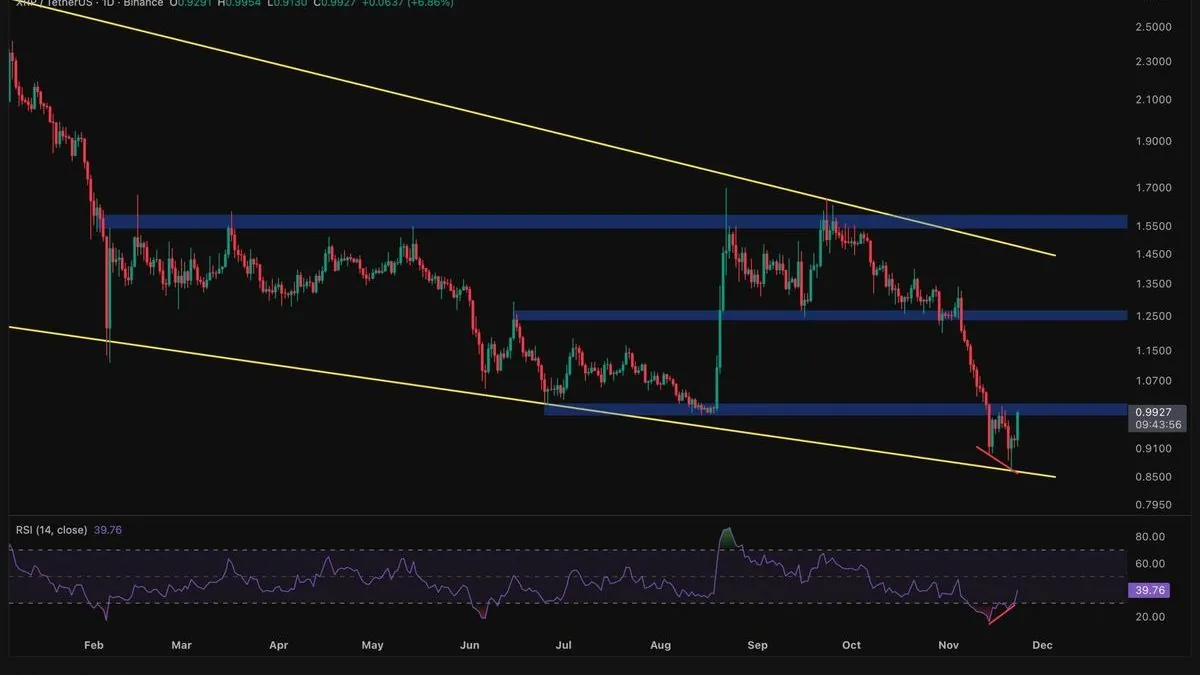
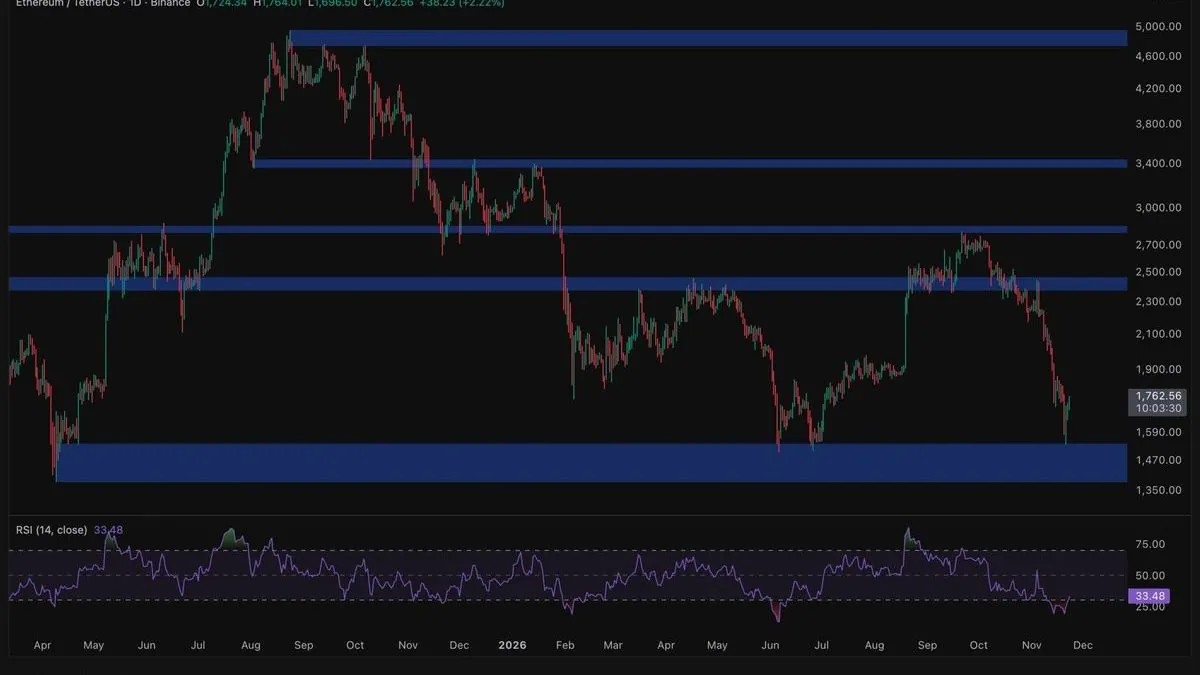
The Binance breach drained approximately $6.43 billion from the exchange's hot wallets across multiple chains over roughly twenty minutes. The attack has been attributed to North Korea's TraderTraitor hacking group, according to the Crypto Briefing report citing Elliptic. Investigators traced the entry point to a social engineering campaign that compromised an employee's laptop and gave attackers access to critical internal systems. The stolen haul consisted mainly of Bitcoin, Ethereum and XRP.
Laundering has spread beyond mixers. Elliptic's research describes activity across more than 27,000 wallets on over 16 blockchains, with DeFi protocols used to further obscure fund flows. In the early stages, the automated process reportedly created a new wallet roughly every 25 seconds.
Funds Still Held and Freeze Efforts
According to Elliptic, 18,270 BTC taken from Binance remains untouched across 19 addresses, a holding valued at roughly $2.35 billion. That stockpile is the focus of recovery efforts, and sources note that its movement into coinjoins would make recovery harder.
Stablecoin issuers have frozen approximately $2.85 billion of the stolen funds, about 44% of the total. On November 18, Binance obtained a $6.5 billion worldwide freezing order from the Abu Dhabi Global Market Courts. The order includes mechanisms to enforce it on-chain and relies on an updated list of approximately 26,000 implicated wallet addresses.
Implications for Investigators and Market Participants
Elliptic's ability to attach precise BTC figures to mixed volume indicates that coinjoin activity can be detected and measured. The research also highlights the dual nature of centralized control: issuer freezes kept a large share of stolen stablecoins out of attackers' hands, while the same freezes of this size could affect market liquidity for users and traders who depend on those stablecoins. The breach itself is tied to a single compromised employee laptop rather than a flaw in any blockchain, which the research cites as grounds for stronger exchange security standards and coordinated regulatory frameworks.
Why It Matters
For Traders
Freezes of about $2.85 billion in stablecoins and any movement of the 18,270 BTC still held across 19 addresses could affect liquidity and short-term sentiment in the coming days.
For Investors
The scale of the theft and the scale of recovery efforts show how much exchange custody risk and stablecoin issuer control now shape the regulatory conversation.
For Builders
The breach traced to a single compromised employee laptop, so operational security and internal access controls matter as much as on-chain design for exchange-linked infrastructure.
This article is for information only and is not financial advice. Read the full disclaimer.