BTCS Sells 27,300 ETH to Repay $43.8M in Aave Debt, Pulls Imperium Liquidity
BTCS sold about 27,300 ETH on Nov. 20 and used the proceeds to repay $43.8 million of Aave debt, the company disclosed Nov. 23. The sale also led its DeFi unit Imperium to withdraw capital from liquidity pools, halting fees on the company's largest revenue line.
Written by CoinArticle’s AI Newsroom · from 2 cited sources. How we work
What BTCS Disclosed
BTCS sold about 27,300 Ether on Nov. 20 and used the proceeds to repay $43.8 million of debt on Aave, the decentralized lending protocol, the company disclosed on Nov. 23. The figures come from a preliminary, unaudited update.
The company's own estimate of its remaining holdings is 24,245 ETH after the sale, which means the amount sold exceeded what it said it held afterward. Both outlets reporting on the filing note this discrepancy, and it reflects the preliminary nature of the update rather than a settled reconciliation.
Why the Sale Happened
The sale and the repayment were linked to how BTCS funded Imperium, its decentralized finance business. A day before the sale, the company reported about $54 million in Aave debt. It had borrowed stablecoins against some of its Ether and used the proceeds primarily to fund Imperium's liquidity pool positions.
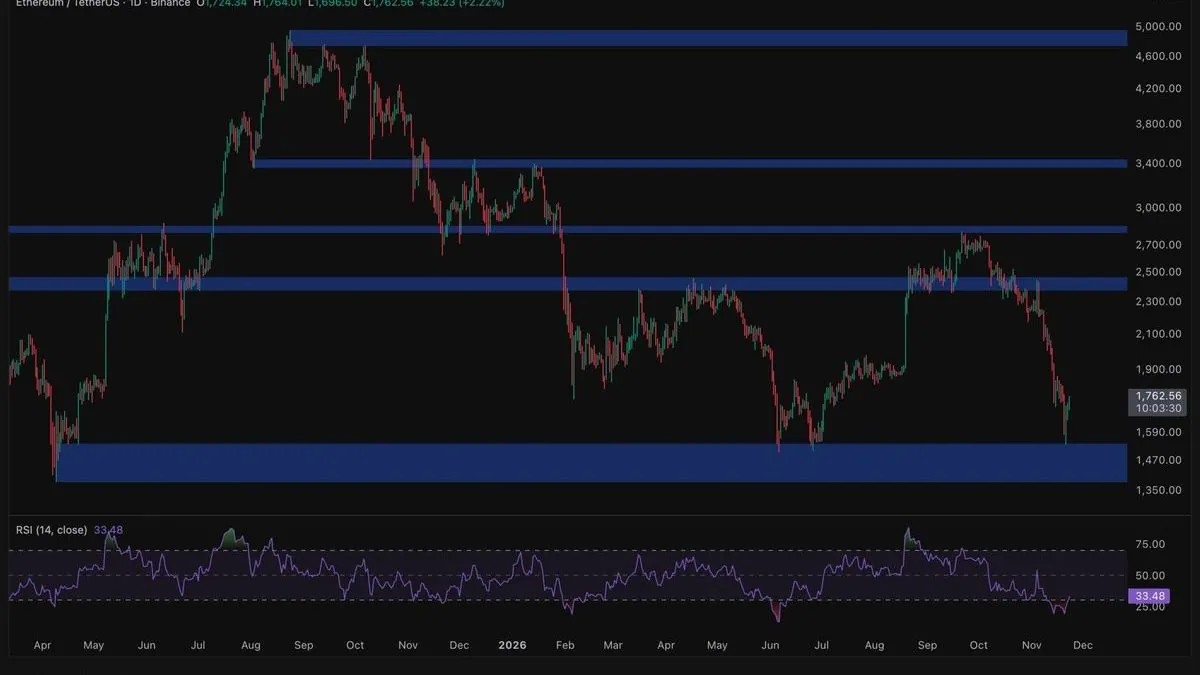
BTCS said it monitors the position and can adjust borrowing as the value of its ETH collateral changes. A drop in that value can put the collateral at risk of liquidation. CEO Charles Allen said management chose to sell Ether and repay Aave to reduce that risk and to preserve the company's ability to meet obligations on its senior secured convertible notes. "Selling at these prices came at a real cost to the Company and its shareholders," Allen said.
Effect on Imperium and Revenue
The sell-off also prompted Imperium to pull its capital out of liquidity pools. Fees on the withdrawn capital are now on hold. The company says Imperium earns no pool fees on capital that sits outside the pools.
This matters because Imperium accounted for most of BTCS's third-quarter revenue. The division generated $3.5 million, about 86% of the company's $4.1 million total, according to its Nov. 12 earnings release. Liquidity pool positions stood at $40.9 million at the end of September, up from $7.6 million at the end of June as Imperium expanded across Ethereum and Base.
Management still plans to focus the business on Imperium and intends to redeploy the capital when it judges conditions have improved. It gave no date for doing so.
Remaining Debt and Obligations
According to the same preliminary update, about $10.5 million remained on Aave after the repayment, at a loan-to-value ratio of roughly 32%. That ratio measures the outstanding loan against the value of the collateral.
BTCS also reported aggregate principal of about $17.9 million on its convertible notes, with maturities in May and July 2027.
The debt balances are approximate, point-in-time figures. The $43.8 million repayment is reported separately and is not derived by subtracting the rounded balances.
Why It Matters
For Traders
BTCS's forced-style deleveraging shows how collateral-backed borrowing can turn a treasury position into a sale, so watch for similar Aave-funded treasury positions if ETH prices fall further.
For Investors
The episode highlights concentration risk at BTCS, where one DeFi unit produced most revenue while depending on leveraged ETH collateral and carrying 2027 convertible note obligations.
For Builders
Protocols that depend on treasury-company liquidity can lose that capital quickly when collateral thresholds tighten, so pool designs should account for sudden, large withdrawals.
This article is for information only and is not financial advice. Read the full disclaimer.