CFTC Clears First US Bitcoin Perpetual Paths via Kalshi and Coinbase
The Commodity Futures Trading Commission approved KalshiEX LLC's BTCPERP, a no-expiry Bitcoin perpetual futures contract, and issued staff-level relief letting Coinbase Financial Markets route certain Deribit products to US customers. Both actions are conditional, and the scale of US perpetuals trading will depend on leverage limits and liquidity depth.
Written by CoinArticle’s AI Newsroom · from 2 cited sources. How we work
The Kalshi Approval
The Commodity Futures Trading Commission approved KalshiEX LLC's BTCPERP as a futures contract, allowing the CFTC-registered designated contract market to list a no-expiry bitcoin perpetual tied to the spot price of BTC. The Commission issued the order under Section 5c(c)(4) of the Commodity Exchange Act and Commission Regulation 40.3, finding the listing consistent with the CEA and the agency's rules.
The sources differ slightly on the timeline. The CFTC release says Kalshi submitted the contract on May 29, while the order itself identifies the submission date as May 28. Both sources agree the approval is dated May 29.
Coinbase's Staff-Level Route
A separate action the same day took a different legal form. The CFTC's Market Participants Division issued an interpretation and no-action position in response to Coinbase Financial Markets, stating that certain Deribit digital commodity derivatives may be categorized as foreign futures under Regulation 30.1 when routed through Coinbase's registered futures commission merchant structure.
Staff said it would not recommend enforcement action under specified conditions tied to customer digital assets and payment stablecoins posted as margin through Coinbase affiliates. Because this is staff relief rather than a Commission order, it carries less formal legal weight than the Kalshi approval and depends on the conditions being met.
Reactions and Market Read
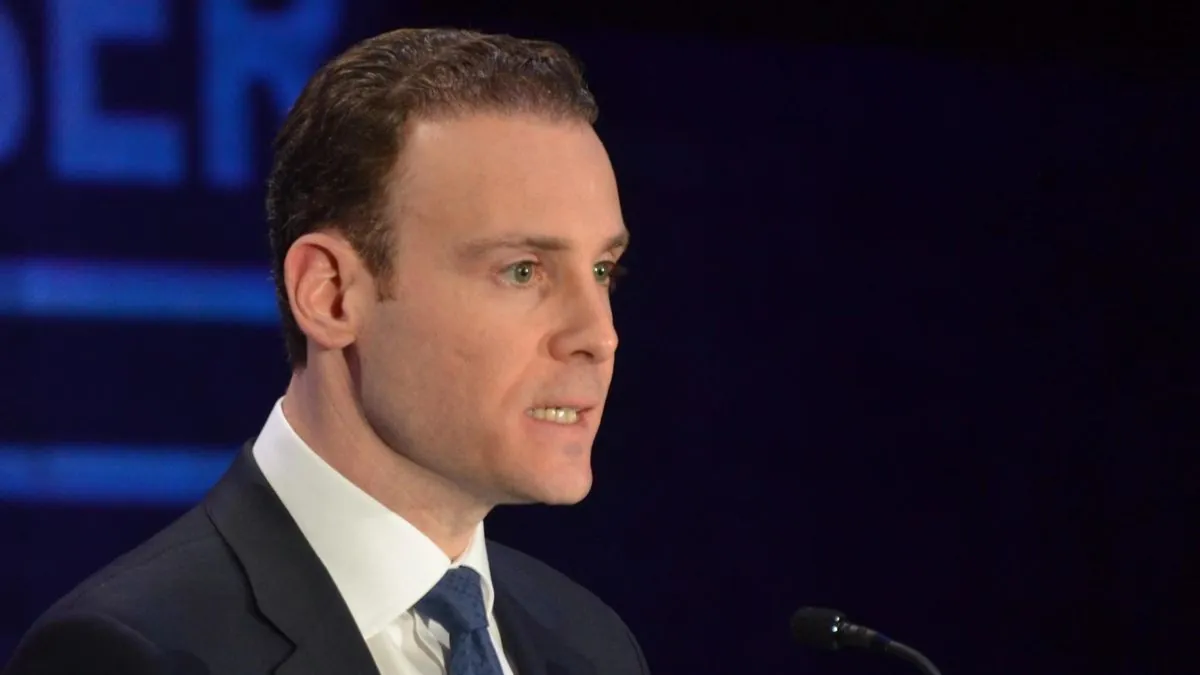
CFTC Chairman Mike Selig framed the Kalshi order as delivery on his pledge to onshore crypto asset perpetuals. Michael Saylor linked the guidance to Bitcoin holders and MicroStrategy's Bitcoin-backed credit strategy, while Coinbase CEO Brian Armstrong emphasized customer access, arguing US users have been locked out of roughly 80% of global crypto markets. Those figures are company and executive characterizations rather than regulatory findings.
The reactions show how differently public companies read the same actions. The legal boundary sits in the CFTC order and staff letter, not in the commentary that followed.
What Determines the Test
Perpetual futures are among crypto's most heavily traded instruments because they allow directional exposure without rolling expiring contracts. The open question is whether that structure can fit US futures rules while containing the leverage, liquidation, and collateral risks that have made offshore perpetuals both dominant and volatile.
The two paths test different things. The Kalshi route tests whether a US exchange can list a perpetual directly under CFTC product approval. The Coinbase route tests whether a registered FCM can give US customers supervised access to foreign-board products while meeting conditions on margin, disclosures, and affiliate controls. Liquidity depth on a US-listed contract relative to offshore venues will be the practical measure of whether either path matters at scale.
Why It Matters
For Traders
US-listed BTCPERP liquidity and leverage terms will determine whether it can compete with offshore perps for flow in the coming weeks.
For Investors
Onshoring of perpetuals signals a structural path for the largest crypto derivatives segment to operate within US regulatory perimeters.
For Builders
Teams building on perpetual infrastructure should track the margin, stablecoin collateral, and affiliate conditions attached to the Coinbase relief.
This article is for information only and is not financial advice. Read the full disclaimer.