Democrats Counter Republican Draft as CLARITY Act Nears Senate Vote
Democratic senators submitted a counterproposal Monday evening ahead of an expected Senate vote on the CLARITY Act, signaling continued disagreement over ethics language and other key provisions. The move suggests negotiations remain fluid as lawmakers seek consensus on the cryptocurrency regulation bill.
Written by CoinArticle’s AI Newsroom · from 2 cited sources. How we work
Latest Counteroffer Surfaces
Democratic senators met late Monday to discuss and finalize a counterproposal to the Republican-backed CLARITY Act draft, according to reporting from multiple sources. The timing signals active negotiations in the final days before a Senate floor vote, though no firm vote date has been announced.
Points of Contention
The Democratic counteroffer focuses on ethics language and unspecified other provisions that have divided the two parties throughout negotiations. Neither side has publicly disclosed the specific text of the Democratic proposal, and the nature of the disagreement remains unclear from public statements. The competing drafts suggest lawmakers are still working to bridge gaps on how the legislation defines regulatory authority and industry conduct standards.
Next Steps
The presence of a Democratic counteroffer at this stage indicates the bill has not yet reached a final agreed-upon form ahead of a floor vote. Negotiations over the remaining disputed language will likely continue in coming days, with the timing of the Senate vote dependent on whether the parties can reach consensus.
Why It Matters
For Traders
Regulatory clarity is priced into major cryptocurrencies; delay or rejection of CLARITY Act would create near-term uncertainty for U.S.-domiciled trading positions.
For Investors
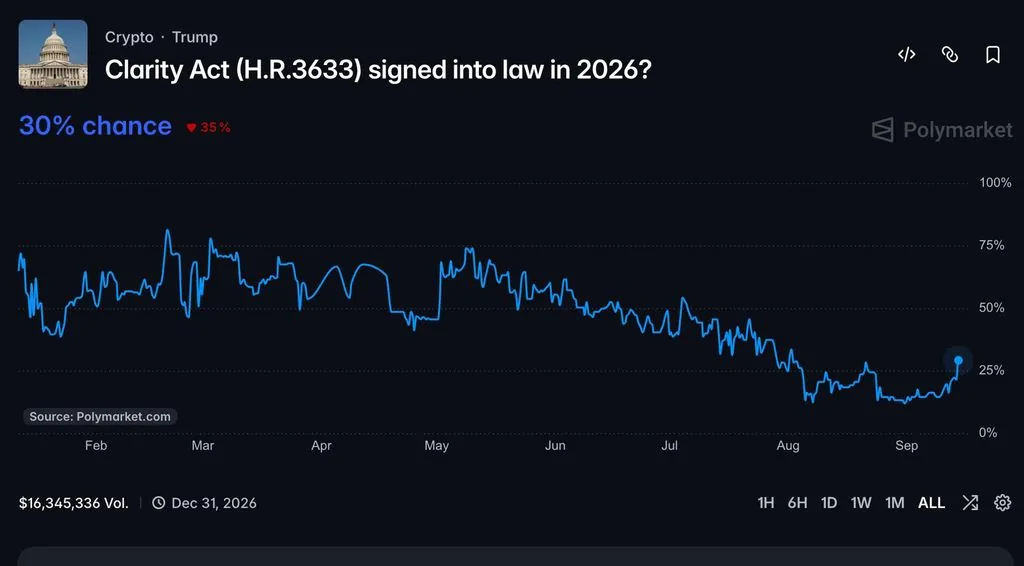
The bill's final form will shape how digital assets are classified and overseen; a Democratic revision signals the outcome remains uncertain and could shift sector regulation meaningfully.
For Builders
Protocol teams and U.S. service providers need final text to assess compliance obligations; current disagreement on ethics and authority language suggests implementation timelines remain unclear.
This article is for information only and is not financial advice. Read the full disclaimer.