FinCEN Moves to Cut MEXC Global Off From U.S. Banks Over $16B in Flagged Transactions
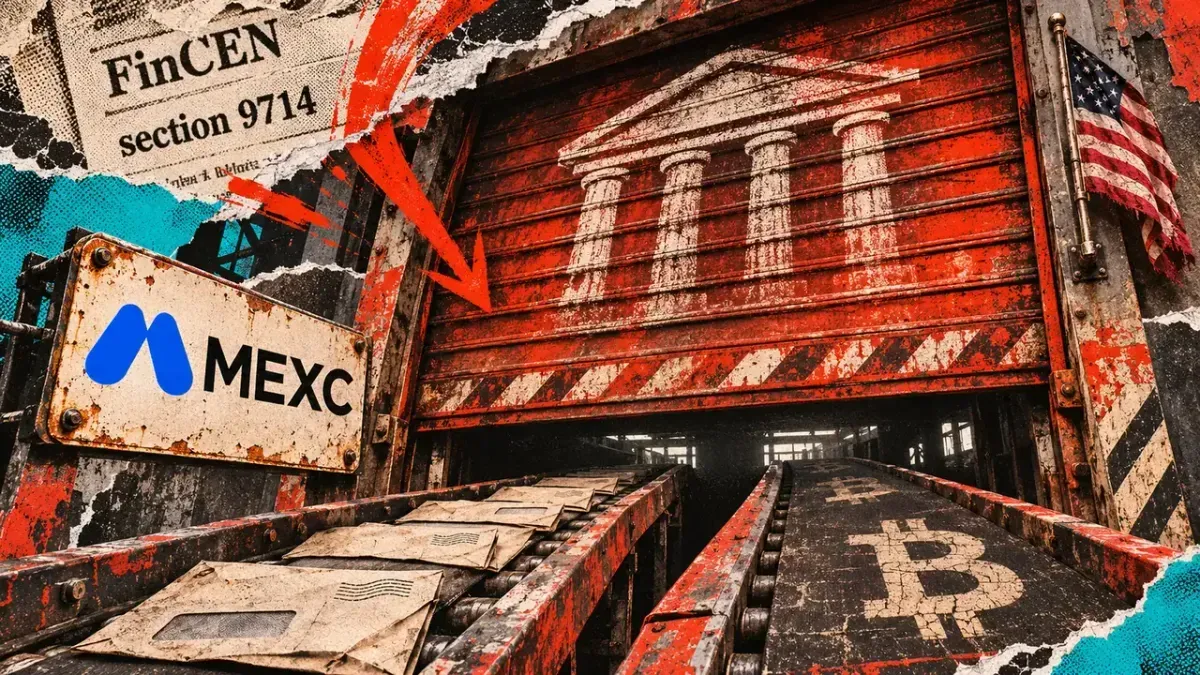
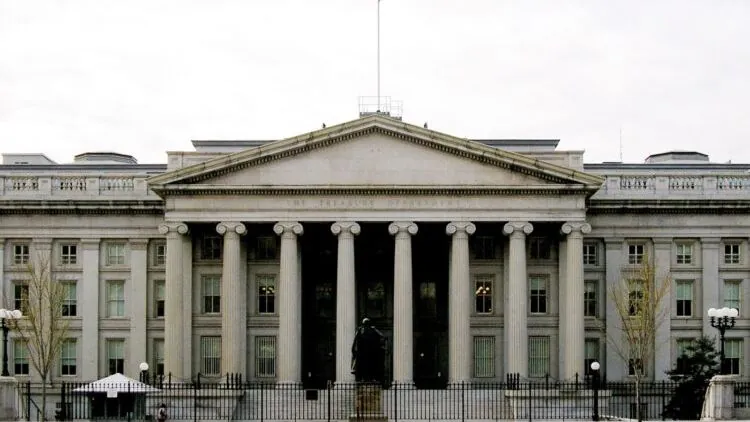
The U.S. Treasury's Financial Crimes Enforcement Network ordered U.S. financial institutions to stop processing transfers involving MEXC Global, citing at least $16 billion in transactions tied to sanctions evasion and cybercrime. The order takes effect 30 days after Federal Register publication, while MEXC says its services are operating normally.
Written by CoinArticle’s AI Newsroom · from 2 cited sources. How we work
What FinCEN Ordered
The U.S. Treasury's Financial Crimes Enforcement Network (FinCEN) issued an order on November 6 prohibiting U.S. financial institutions from sending or receiving funds involving MEXC Global. The order relies on Section 9714 of the Combating Russian Money Laundering Act and takes effect 30 days after publication in the Federal Register.
FinCEN alleges that between May 2021 and May 2026, MEXC processed at least $16 billion connected to sanctions evasion, cybercrime and other illicit financial activity. The agency said the activity involved Iranian, North Korean and Russian actors. The order does not freeze customer assets or ban MEXC trading worldwide. It restricts covered U.S. banks and intermediaries from processing transfers involving the exchange.
Scope of the Allegations
The $16 billion figure is a regulator's description of transactions it associates with illicit activity, not a measure of customer losses or missing assets. Treasury separately identified about $1 billion in direct transactions with more than 40 Iranian cryptocurrency exchanges, some already under international sanctions, and $22 million involving the sanctioned Central Bank of Iran and the Islamic Revolutionary Guard Corps, including its Qods Force. These are allegations by the Treasury, not court findings against every named counterparty or user.
FinCEN said MEXC maintained anti-money laundering policies and restricted customers from certain jurisdictions, but argued that weaknesses in its compliance controls allowed sanctioned actors to keep using the platform.
Exchange and Industry Response
MEXC said it is operating normally, that user assets remain secure, and that it is reviewing the order with its legal and compliance teams. It has also started an independent examination of its anti-money laundering and sanctions procedures and says it will cooperate with regulators. CEO Vugar Usi said deposits and withdrawals remain available, though withdrawal volumes have risen. He also claimed that blockchain analytics firm Elliptic had removed a special risk classification for MEXC Global, a claim CoinArticle could not verify against Elliptic's own statement.
OKX CEO Star Xu urged customers not to send funds directly from MEXC, citing added compliance checks. He said, "Funds associated with affected platforms may be frozen," and that related accounts could face further investigation. OKX acted before the order took formal effect.
Practical Implications
The order targets access to U.S. banking channels and the intermediaries that settle dollar transfers, not public blockchain activity. Public chains and regulated bank transfers are separate systems, so the order does not by itself stop every on-chain transfer tied to MEXC addresses. Compliance teams at payments firms, correspondent banks, custodians and stablecoin issuers that touch MEXC flows will need to reassess screening and contracts before the effective date.
The sources do not quantify how much MEXC volume depends on U.S. banks, so the effect on liquidity and settlement remains unclear. Users should rely on direct notices from the exchange and their own banks, and treat unsolicited messages offering to unlock accounts with caution, since recovery scams often follow enforcement actions.
Why It Matters
For Traders
Withdrawal volumes are elevated on MEXC and the order takes effect in 30 days, so watch for changes in USD on-ramp access and counterparty reactions in the coming weeks.
For Investors
A FinCEN special measure aimed at banking access signals that U.S. regulators will target exchange financial plumbing, not just fines, for sanctions-related compliance failures.
For Builders
Teams routing payments or settlement through exchanges should re-screen counterparties, since indirect exposure to a prohibited entity can create liability even without intent.
This article is for information only and is not financial advice. Read the full disclaimer.