Iran Reportedly Plans Bitcoin-Settled Hormuz Insurance Platform Amid Sanctions Warnings
Iran's state-linked Fars News reported on May 16 that a Bitcoin-settled insurance platform called Hormuz Safe would cover vessels transiting the Strait of Hormuz, but no official government confirmation has been published. The reported plan lands against OFAC and FinCEN alerts warning that any payment to Iran for Hormuz passage creates sanctions exposure.
Written by CoinArticle’s AI Newsroom · from 2 cited sources. How we work
What Has Been Reported
Iran's state-linked Fars News reported on May 16 that the Economy Ministry had launched Hormuz Safe, a platform offering digital insurance for vessels transiting the Strait of Hormuz with premiums settled in Bitcoin. CoinDesk's account of the same report described the plan as still under development by the ministry, while CryptoSlate reported that a document cited by Fars indicated work since early May and projected revenue above $10 billion. The two accounts differ on whether the platform is live or in preparation; the only public product page found in the reporting is a "Coming Soon" site.
No official press release, government gazette entry, or regulator statement has confirmed the launch, and the figures rest on a single Fars-cited document. Both outlets relied on the same underlying Fars report, so the sourcing is not independent.
The Hormuz Backdrop
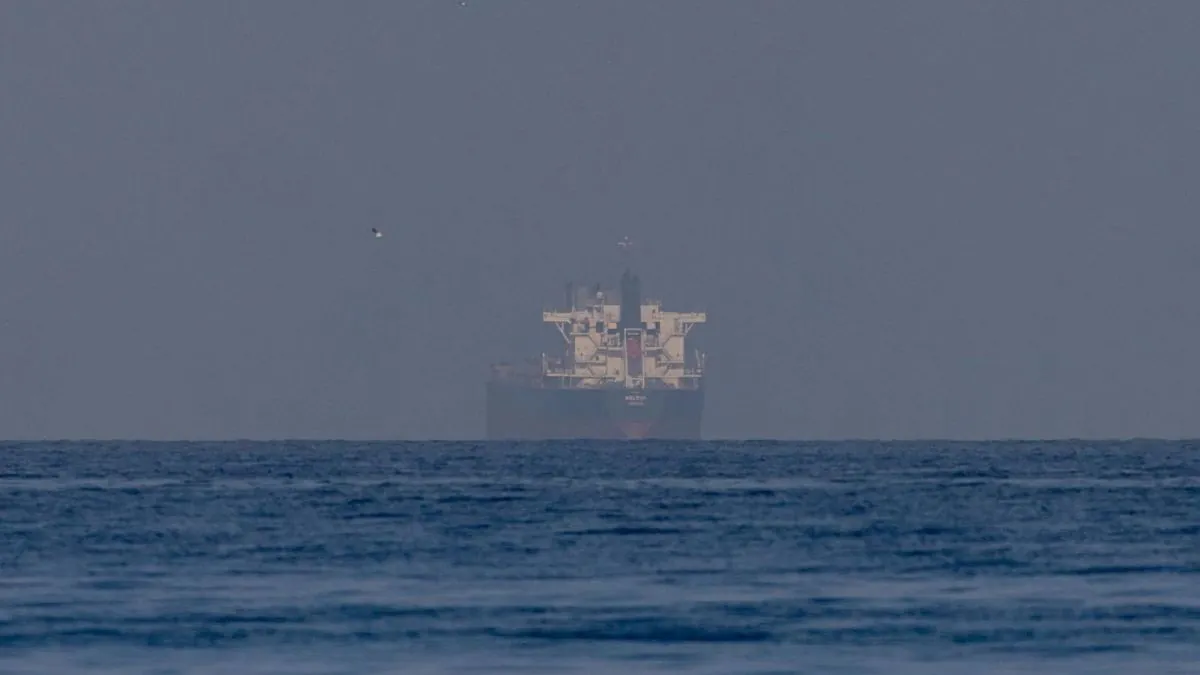
The strait normally carries about 20% of the world's oil and liquefied natural gas. Since the conflict involving the US and Israel began in late February 2026, Iran has blocked or restricted transit, average daily transits have fallen by about 95%, and war-risk premiums have risen from roughly 0.25% to as high as 10% of vessel value per passage, according to CryptoSlate.
The environment has also produced fraud. In April, Greek maritime risk firm MARISKS warned shipping companies that messages impersonating Iranian authorities were demanding Bitcoin or USDT for Hormuz clearance. CryptoSlate reported that Iranian forces fired on the Epaminondas, a Technomar-owned vessel, after it apparently acted on one such message. Those incidents are a reason for caution before treating any crypto-denominated Hormuz payment scheme as operational.
US Sanctions Position
OFAC issued an alert on May 1 stating that paying any Hormuz toll to Iran creates sanctions exposure regardless of payment method. A related FAQ the same day confirmed that Iranian digital asset exchanges qualify as Iranian financial institutions under existing sanctions rules, and that Executive Order 13599 blocks their assets held by US persons or located in the US.
FinCEN's May 11 alert cited a Chainalysis estimate putting Iran's crypto economy at $7.8 billion, and referenced press reports that Iran intended to use digital assets to collect payments from tankers seeking passage. It listed petroleum and shipping companies that send or receive digital asset payments tied to Iranian oil as a compliance red flag. Treasury has separately frozen nearly $500 million in regime-linked cryptocurrency through Operation Economic Fury, according to CryptoSlate.
Traceability and Exchange Exposure
Bitcoin's base-layer transactions are public, but linking an address to a specific Hormuz payment requires off-chain attribution. Once that attribution exists, screening obligations would apply to exchanges, OTC desks and brokers handling any BTC in the payment chain. Regulated venues would then face a choice between blocking flagged flows and accepting downstream liability. FATF's October 2025 update classified Iran as a high-risk jurisdiction, noting no material progress on its action plan.
The reported mechanism therefore raises a test of Bitcoin's neutrality thesis, but the outcome depends on facts not yet established: whether the platform operates, what volume it processes, and whether any on-chain pattern can be attributed.
Why It Matters
For Traders
Any Hormuz-linked BTC flow could draw exchange screening and freezes, so near-term exposure depends on unconfirmed operational facts that have not yet appeared on-chain.
For Investors
A sanctioned, state-run Bitcoin payment rail would sharpen the regulatory question of whether Bitcoin's neutrality holds under sanctions enforcement.
For Builders
Exchange and wallet teams should expect stricter address screening and attribution requests tied to Iranian-linked flows, which may affect custody and compliance tooling.
This article is for information only and is not financial advice. Read the full disclaimer.