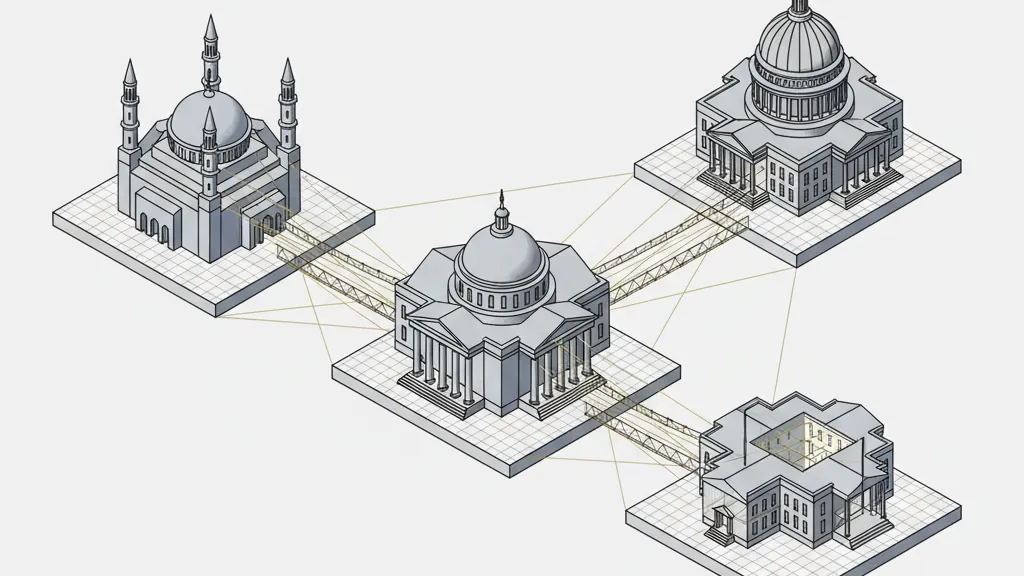
Iran-Pakistan Diplomatic Talks Intensify as US Envoys Prepare to Engage
Iran's Foreign Minister visits Pakistan for high-level consultations as US envoys prepare to join negotiations, marking a critical shift in regional diplomacy. The talks aim to break a persistent deadlock on sanctions, nuclear issues, and regional stability with significant implications for energy markets and geopolitical risk.
Key Takeaways
- 1# Iran's Foreign Minister in Pakistan for Talks as US Envoys Prepare to Arrive ## Diplomatic Shuttle Intensifies Across South Asia Iran's Foreign Minister has arrived in Pakistan for high-level diplomatic consultations, representing a significant development in ongoing regional negotiations.
- 2The visit coincides with preparations by United States envoys to engage in the discussion framework, signaling an intensification of diplomatic efforts aimed at addressing mounting tensions across South and Western Asia.
- 3This parallel diplomatic initiative reflects the complex geopolitical landscape reshaping the region.
- 4Pakistan, strategically positioned between Iranian and Western interests, continues to serve as a crucial intermediary in regional affairs.
- 5Pakistani officials have emphasized their commitment to facilitating constructive dialogue among all stakeholders.
Iran's Foreign Minister in Pakistan for Talks as US Envoys Prepare to Arrive
Diplomatic Shuttle Intensifies Across South Asia
Iran's Foreign Minister has arrived in Pakistan for high-level diplomatic consultations, representing a significant development in ongoing regional negotiations. The visit coincides with preparations by United States envoys to engage in the discussion framework, signaling an intensification of diplomatic efforts aimed at addressing mounting tensions across South and Western Asia.
This parallel diplomatic initiative reflects the complex geopolitical landscape reshaping the region. Pakistan, strategically positioned between Iranian and Western interests, continues to serve as a crucial intermediary in regional affairs. Pakistani officials have emphasized their commitment to facilitating constructive dialogue among all stakeholders.
Breaking the Persistent Diplomatic Deadlock
A long-standing diplomatic impasse has characterized recent Iran-Western interactions, particularly regarding sanctions regimes, nuclear negotiations, and regional stability concerns. The current round of talks represents a critical attempt to resolve this deadlock through multi-track diplomacy, with Pakistan playing an active facilitation role.
Experts indicate these discussions will likely address trade relations, energy security infrastructure, and broader geopolitical stability measures. The involvement of US envoys suggests renewed willingness to re-engage through diplomatic channels, though substantial disagreements persist on core issues including nuclear development and sanctions relief.
Regional Tensions and Global Market Implications
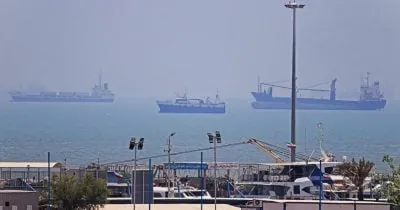
Ongoing regional tensions continue to drive broader uncertainty affecting energy markets, supply chain reliability, and investor confidence worldwide. The Strait of Hormuz, a critical maritime chokepoint responsible for approximately 20-30% of global oil transit, remains a focal point of concern given Iran's strategic proximity and historical involvement in regional disputes.
These diplomatic initiatives emerge amid volatile market conditions, with traders and investors closely monitoring potential negotiation outcomes that could either stabilize or further destabilize commodity prices, currency markets, and geopolitical risk premiums.
Why This Matters
For Traders
Near-term market volatility may intensify based on negotiation progress and official statements; oil prices typically experience significant fluctuations in response to Iran-related geopolitical developments, with potential for sharp swings in energy futures and risk assets.
For Investors
Regional stability directly impacts portfolio exposure to Middle Eastern assets, energy sectors, and emerging markets; successful negotiations could reduce geopolitical risk premiums and enhance returns, while failed talks may trigger defensive positioning and sector rotation.
For Builders
Blockchain and infrastructure projects in affected regions face uncertain operating environments; reduced geopolitical tensions could unlock opportunities for cross-border commerce and decentralized finance platforms, though current uncertainty may warrant cautious expansion until diplomatic clarity emerges.
The diplomatic window opening in Pakistan represents a critical juncture for regional stability with significant implications for global markets, energy security, and emerging technologies dependent on geopolitical predictability.
Entities: Iran, Pakistan, United States
Categories: Diplomacy, Geopolitics, Markets, Energy Security
Why It Matters
For Traders
Oil volatility and risk asset swings will likely intensify based on negotiation outcomes; monitor official statements for potential energy futures movement.
For Investors
Regional stability directly affects emerging market exposure and geopolitical risk premiums; breakthroughs could reduce risk premiums while failed talks may trigger defensive positioning.
For Builders
Successful diplomacy could unlock cross-border commerce and decentralized finance opportunities in the region; current uncertainty warrants cautious expansion strategies.