Kalshi Asks New York Court to Hear Arguments Before Restraining Order
Prediction market operator Kalshi asked a New York state judge to hear its arguments before any renewed emergency restraining order is issued, warning the restrictions could shut its exchange nationwide. The filing follows a federal ruling that returned New York's $36 billion enforcement lawsuit to state court.
Written by CoinArticle’s AI Newsroom · from 2 cited sources. How we work
The Late-Night Filing
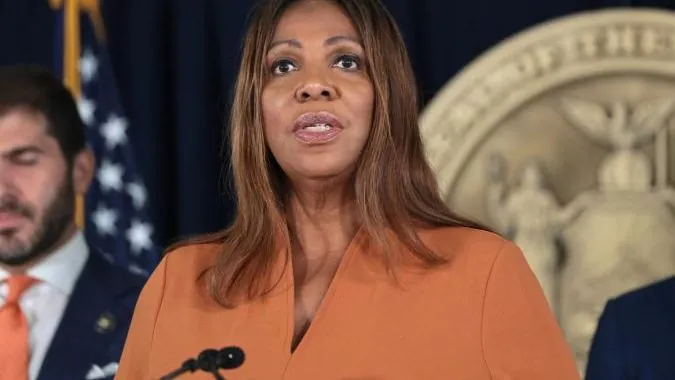
Kalshi asked Manhattan Supreme Court Justice Melissa Crane to hold an immediate status conference and to be allowed to respond before any renewed restraining order application from New York Attorney General Letitia James is considered. Sports and gaming attorney Daniel Wallach said on Nov. 20 that the request was submitted by Kalshi's counsel at Milbank in a late-night letter. Kalshi argues the attorney general has not shown the kind of emergency that would justify an ex parte temporary restraining order, meaning one issued without the company present to argue against it.
How the Case Got Back to State Court
The filing came a day after U.S. District Judge Vernon S. Broderick ruled on Nov. 19 that the federal court lacked subject-matter jurisdiction and returned New York's enforcement lawsuit to state court. Broderick denied the state's request for attorneys' fees and costs, finding Kalshi had reasonable grounds for seeking removal. The original $36 billion lawsuit was filed July 31, and Kalshi moved it to federal court the same day. The earlier restraining order application was denied as moot, but the attorney general can renew it now that the case is back in state court.
Disputed Timeline
The sources differ on how long New York waited before acting, and the dispute matters to the emergency argument. Milbank pointed to Kalshi's commercial launch in July 2021 and its introduction of sports event contracts in January 2025, arguing that New York moved slowly. Wallach countered that the New York State Gaming Commission issued a cease-and-desist notice on Oct. 24, 2025, before agreeing to defer enforcement while Kalshi pursued preliminary injunctive relief. Kalshi's emergency injunction bid was previously denied by U.S. District Judge Analisa Torres on July 7, 2026, and it lost a further emergency bid on July 27 while appealing. The Oct. 24 notice and the earlier denials are both on the record, but the sources frame their significance differently.
Scope of the Proposed Order
Kalshi's main objection concerns the breadth of the order New York seeks. The proposed restrictions cover contracts on "sports, culture, elections, and other events" offered "within or from New York or to persons in New York." Because Kalshi is headquartered in New York, Milbank argued the geographic language could stop it serving customers elsewhere in the United States. Its lawyers also questioned whether the phrase "other events" could reach financial markets and economic indicators. Milbank cited figures from the attorney general's own filings, including $178 billion in annualized trading volume and a $22 billion valuation, and warned that compliance could force liquidation of open positions and disrupt markets where its contracts are legal.
Broader Legal Backdrop
Kalshi pointed to the Third Circuit's ruling in KalshiEX v. Flaherty, which found federal commodities law preempted New Jersey's gambling restrictions. New Jersey has since asked the Supreme Court to review that decision. The Commodity Futures Trading Commission has also intervened in the dispute over New York's proposed restrictions. The reporting available does not yet show how a New York state judge will weigh the preemption question against the state's gaming authority.
Why It Matters
For Traders
Any renewed restraining order could halt Kalshi's contracts in or from New York, so open positions and liquidity on the platform may be affected in the coming days.
For Investors
The outcome will test whether federal commodities law preempts state gambling rules for prediction markets, a question that could shape the sector's regulatory footing for years.
For Builders
Geographic scoping language in state orders, such as contracts offered 'from New York,' will determine whether platforms must geofence beyond their home state.
This article is for information only and is not financial advice. Read the full disclaimer.