Ledger Tampered Wallet Probe Widens to Berlin and Dubai, Offers X-Ray Inspections
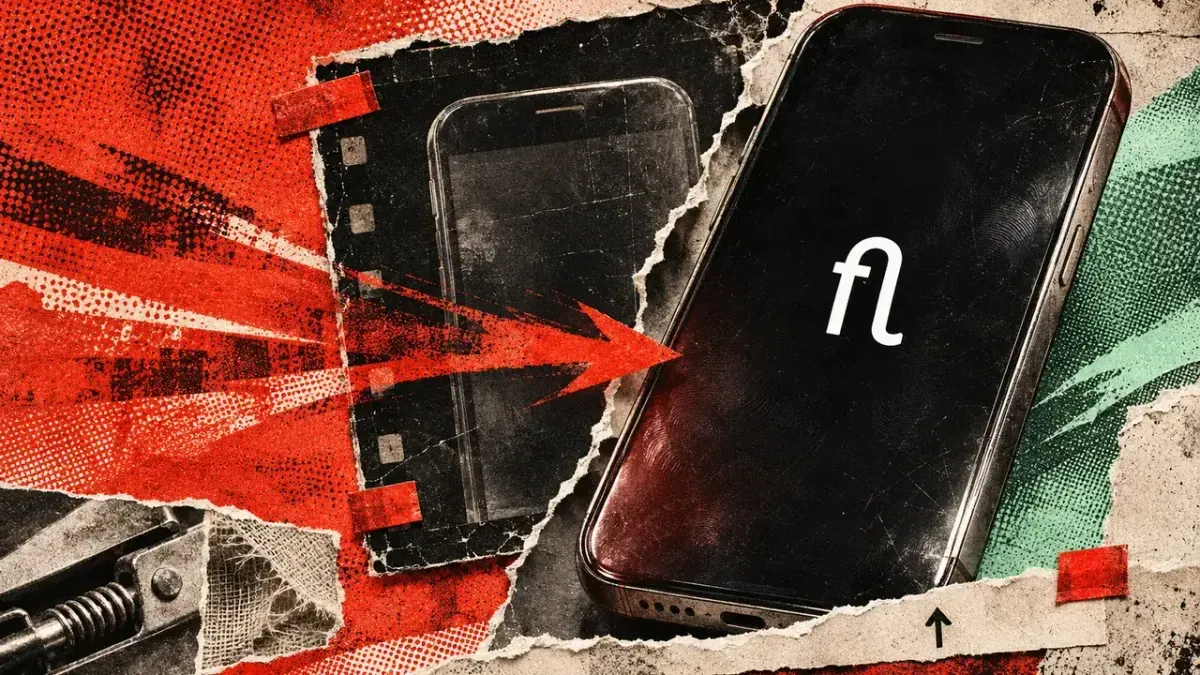
Ledger confirmed on November 18 that tampered hardware wallets were found in Berlin and Dubai, with devices carrying physical implants designed to capture recovery phrases during setup. The company is offering limited-time X-ray inspections and advising affected owners to move funds to new wallets.
Written by CoinArticle’s AI Newsroom · from 3 cited sources. How we work
Story Updates
- Updated Nov 20, 2026, 10:58 AM: Ledger confirmed a Berlin tampered device, Dubai cases, and Bitquery traced $1.68M in withdrawals; Solana and USDT losses reported.
What Ledger Confirmed
Ledger said on November 18 that tampered hardware wallets have been found in Berlin, and that it is still investigating two devices in Dubai. Its advisory says the hardware carries a physical implant designed to capture a user's recovery phrase during initial setup. The company said all devices it confirmed in the incident carried the same modification.
The Berlin cases were described by Ledger as localized to the city, and the company asked customers who bought a Ledger wallet from a third party there from January 2026 onward to contact its support team. Buyers who purchased from third-party sellers in Southeast Asia or Dubai were asked to do the same. Ledger also reported one affected Nano Gen 5 among devices distributed through Southeast Asian resellers.
Scope of the Losses
The sources differ on the financial figures. Crypto Briefing reported that users have reported losses above $924,000 tied to purchases in Berlin and Dubai, including more than $320,000 from a single Berlin purchase and about $604,000 across two Dubai purchases. One Dubai customer reported losing around 1,300 Solana (SOL) from a Ledger Flex, and another reported the disappearance of 507,000 Tether (USDT) from a Ledger Stax, with both purchases made at Virgin Megastore in Dubai, according to crypto.news. Blockchain analytics firm Bitquery separately traced $1.68 million in withdrawals from 16 wallets across Bitcoin, Tron and Solana on November 14 and 16.
Crypto Briefing also cited broader losses connected to the Southeast Asian scheme of around $102 million. On October 28, the Singapore Police Force disclosed at least two incidents involving altered Ledger devices since September 10, with combined losses of approximately S$3.5 million. The loss figures from customer reports have not been independently verified, and the sources do not establish a common total.
Where the Tampering Occurred
Ledger's position is that the problem lies in the supply chain rather than its technology. The company said there is no flaw in its secure chip or operating system, and that genuine devices were altered after leaving its control and distributed through Southeast Asian resellers. In its October 15 disclosure, Ledger said an organized criminal group acquired genuine devices over several months, installed concealed components and returned them to retail channels. The investigation began in October after holders reported unauthorized withdrawals from devices bought through CryptoBilis, a Southeast Asian reseller.
In November, Ledger said it still had no confirmed case involving a device bought directly from ledger.com. Crypto Briefing described the operation as one in which a criminal group obtained genuine Ledger devices and modified them before returning them to the market. CryptoSlate noted that Ledger's Genuine Check verifies the secure chip's authenticity, and that where the chip remains intact the check can miss a physical addition. This is the reason Ledger is offering factory inspections in Vierzon, France, which can look inside submitted devices for added hardware.
Owner Guidance and Inspections
Ledger is offering limited-time X-ray inspections for suspect devices. Customers arrange shipment through its support team by official ticket, and Ledger said support will never ask for a recovery phrase. Crypto Briefing reported that resellers were advised to pause sales in places where inspections are underway, and that Ledger expects more tampered devices to surface.
For owners of an unused suspect device, Ledger advises leaving it unopened and contacting official support rather than using it to set up or restore a wallet. For owners who have already used a suspect device, Ledger advises moving funds to a new wallet with a fresh recovery phrase generated on a device bought directly from its website, and avoiding reuse of any passphrase on the suspect device.
What Remains Open
Several points remain unresolved. Ledger has not published a complete list of affected models, a timeline for the inspection program, or confirmed totals for losses. The Dubai investigation is ongoing and Ledger is still working with local distribution partners to establish how the suspected units entered circulation. The scope of the Southeast Asian reseller network has not been fully mapped. Further disclosures from Ledger's internal security team, Donjon, and any revisions to the reported loss figures will indicate how far the scheme extends.
Why It Matters
For Traders
Any Ledger-related price or sentiment effect is likely limited, but reseller sales pauses and inspection rollouts may generate headlines over the next several days.
For Investors
The incident tests the supply-chain trust model behind hardware wallets, and how Ledger handles disclosure and remediation may shape its reputation over a multi-month horizon.
For Builders
Teams that rely on hardware wallets for user custody should review their device-provisioning guidance and consider how third-party resale channels affect their threat model.
This article is for information only and is not financial advice. Read the full disclaimer.