Mastercard Expands Card Settlement to USDC, RLUSD and Other Stablecoins
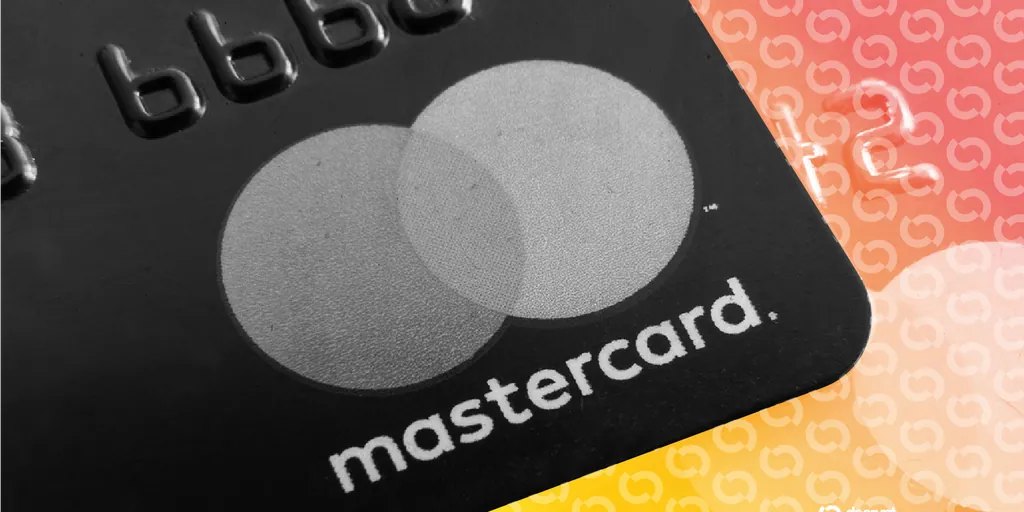
Mastercard said Wednesday it will let card issuers and acquirers settle transactions in regulated stablecoins, including Circle's USDC and Ripple's RLUSD, with intraday, weekend and holiday options. Mastercard shares were down about 2.6% in early trading, around $464.87, according to Decrypt.
Written by CoinArticle’s AI Newsroom · from 2 cited sources. How we work
What Mastercard Announced
Mastercard said Wednesday it will expand card transaction settlement to regulated stablecoins, allowing issuers and acquirers to settle through tokens such as Circle's USDC and Ripple's RLUSD. The company said the change adds intraday, weekend and holiday settlement options, which traditional banking rails typically do not offer around the clock. Bitcoinist and Decrypt both reported the announcement, and both describe the same core change.
Mastercard framed the move as a response to timing and liquidity constraints. In a statement quoted by Decrypt, EVP of Blockchain and Digital Assets Raj Dhamodharan said the next phase of stablecoin adoption is "about real-world utility, especially in settlement, where timing and liquidity matter most."
Supported Tokens and Networks
The expansion builds on existing work. Mastercard had already used USDC for settlement in select markets through its relationship with Circle, and in the fall it explored settling XRP Ledger transactions in RLUSD with Ripple and Gemini. The new program extends support to stablecoins issued by Paxos, including PYUSD, USDG and USDP, as well as SoFiUSD, a dollar-backed token recently launched by neobank SoFi.
Decrypt reports that settlement will be enabled on several blockchains: Ethereum, Solana, the payments-focused network Tempo, the XRP Ledger and Base, the Ethereum layer-2 network incubated by Coinbase. Initial transactions in the U.S. and Latin America will be handled by ARQ (formerly DolarApp), CBW Bank, Cross River, Lead Bank and Nuvei. Decrypt says Mastercard expects further expansion through the rest of the year. Bitcoinist's summary does not list the networks or initial participants, so those details rest on Decrypt's reporting alone.
Market Reaction and Industry Response
Decrypt reported that Mastercard shares had fallen around 2.6% since the Wednesday open, recently trading near $464.87. The reports do not attribute that move to the announcement, and the broader market context is not covered in either source.
Circle Chief Commercial Officer Kash Razzaghi said in a statement that the expanded capabilities "help meet that need, offering greater choice in how value is transferred and settled." Ripple SVP of Stablecoins Jack McDonald called the move "a landmark validation that blockchain technology is ready for the world's most critical payment infrastructure." Both are statements from partners with a commercial interest in the program, and neither source includes independent assessment of the claims.
What Remains Unclear
The two sources differ in emphasis. Decrypt presents the announcement as a multi-token, multi-chain program and names specific settlement partners. Bitcoinist centers its report on RLUSD's inclusion, and its excerpt is truncated before any detail on other tokens or chains. The reports do not disclose settlement volumes, fee structures or which card transactions qualify, and neither says when the full rollout beyond the initial U.S. and Latin America partners will take place.
Why It Matters
For Traders
Settlement access for USDC and RLUSD may draw attention to those tokens, but Mastercard's shares were lower on the day and the announcement itself gives no direct price signal.
For Investors
A top card network routing settlement through several regulated stablecoins is a structural signal that stablecoins are being absorbed into incumbent payment infrastructure.
For Builders
Teams building on Ethereum, Solana, XRP Ledger, Base or Tempo may see new settlement demand for stablecoins they support, which would affect issuance and integration priorities.
This article is for information only and is not financial advice. Read the full disclaimer.