Moscow Exchange Plans Bitcoin, Ethereum and USDT Trading From December 1
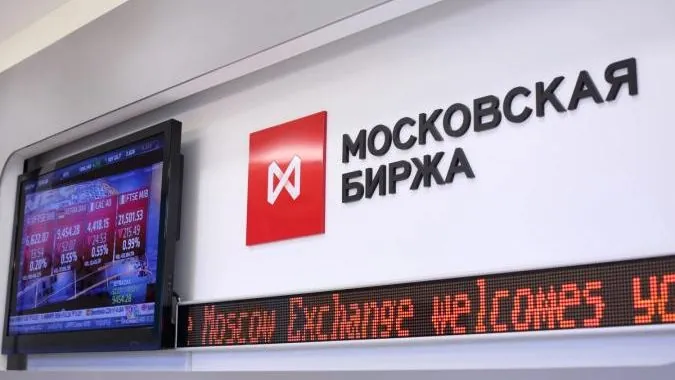
Moscow Exchange plans a pilot launch of Bitcoin, Ethereum and Tether's USDT trading on December 1, after Russia's Bank of Russia finalized the asset list effective November 17. The exchange is under U.S. sanctions, and neither it nor Tether has said how USDT held through its clearing structure would be treated.
Written by CoinArticle’s AI Newsroom · from 5 cited sources. How we work
Story Updates
- Updated Nov 7, 2026, 09:28 AM: Adds a second-source account of the November 2 release, the pilot trading mechanics, and the purchase-limit calculation rules.
- Updated Nov 7, 2026, 04:48 AM: Bank of Russia finalized the retail asset list and 300,000-ruble purchase cap, effective November 17; exchange still targets December 1 pilot.
- Updated Nov 5, 2026, 04:09 PM: Bitcoin Magazine reports the exchange and clearing centre are U.S.-sanctioned, with retail caps and clearing details confirmed.
Regulatory Milestones Now Set
The Bank of Russia has finalized the list of assets that non-qualified investors may buy, allowing exchanges to list Bitcoin, Ethereum and USDT for public trading from November 17, according to its November 6 announcement. The central bank selected the assets using market capitalization, average daily trading volume, and at least five years of foreign-market pricing history.
Non-qualified investors may buy through brokers, asset managers, crypto exchangers, exchanges or over the counter, capped at 300,000 rubles, roughly $3,700, per year through each intermediary. The ceiling counts both completed purchases and pending orders in the calendar year, and earlier purchases through the same broker remain in the calculation when a new order is assessed. Qualified investors face no asset-list or purchase limit. Both groups must complete a risk test before transacting.
The Exchange's Launch Plan
Moscow Exchange intends to begin trading on December 1, according to Boris Blokhin, the exchange's senior managing director for sales and business development, who spoke at the Smartlab investment conference in Moscow as reported by RBC on October 31. In a November 2 release, the exchange confirmed the date and said participants would join as they become ready, with pilot trades first. The December 1 date is a planned pilot start, not a universal retail launch.
Trading will run on the exchange's existing stock market technology, using an electronic order book, with sessions from 6:50 a.m. to 11:50 p.m. Moscow time. The National Clearing Centre will clear every trade, with same-day or next-day settlement. The exchange also plans swaps to help participants manage liquidity, and BTC, ETH and USDT will trade in both addressed and addressless modes.
Custody will sit with partner digital depositaries, a new entity type created under the country's rules, rather than with the exchange itself. Financial institutions connected to Sberbank, VTB and T-Technologies were among early registrants of exchange operators and digital custodians in October.
Sanctions Exposure
The U.S. Treasury blocked Moscow Exchange and the National Clearing Centre in June 2024 over the war in Ukraine, so the clearing house holding customers' USDT is itself a sanctioned entity. Tether has frozen wallets tied to addresses on the Treasury's sanctions list, which raises open questions about how it would treat USDT held through this structure. Neither the exchange nor Tether has publicly addressed the issue. Bitcoin and ether have no issuer able to freeze balances, making the USDT listing the most exposed of the three assets.
Differing Accounts of the Motive
Source reports agree on the announcement's facts but differ on its purpose. Crypto.news reports the exchange's stated rationale as operational: using existing infrastructure to reduce costs for brokers and professional participants. Bitcoin Magazine notes the structure lets banks and brokerages offer bitcoin without building separate custody and matching systems. CoinDesk characterizes the move as an effort to win back crypto trading Russian investors currently conduct on foreign platforms. No source quantifies the volume of that offshore activity.
Open Questions
The December 1 start remains a plan, and rollout depends on professional participants completing depository integrations. How quickly retail access expands beyond the pilot has not been specified. The treatment of USDT under sanctions remains unaddressed by the exchange and Tether, and the sources do not date when investor testing becomes available.
Why It Matters
For Traders
Russian retail access to BTC, ETH and USDT opens November 17 at the regulatory level, but the exchange venue's December 1 pilot start is still a plan, not a confirmed go-live.
For Investors
Russia's finalized asset list and purchase caps show a bounded, state-supervised path to domestic crypto access, with USDT carrying the most sanctions risk.
For Builders
Integrations with Russian digital depositaries will need sanctions-screening and purchase-limit tracking built into broker workflows from the start.
This article is for information only and is not financial advice. Read the full disclaimer.