Nvidia Shares Fall as Board Probes CEO Jensen Huang Affair Tied to Chinese Intelligence Claims
Nvidia shares fell as much as 8% Monday after its board opened an independent investigation into reports that CEO Jensen Huang had a relationship with an executive U.S. intelligence believes was recruited by China's Ministry of State Security. Sources differ on the day's loss, with Decrypt citing an intraday drop of up to $350 billion in market value and CryptoPotato citing a 4.3% close and about $190 billion erased.
Written by CoinArticle’s AI Newsroom · from 2 cited sources. How we work
The Share Price Reaction
Nvidia stock dropped as much as 8% on Monday, according to Decrypt, which put the intraday market value at risk at roughly $350 billion. CryptoPotato, citing the filing-day move, reported a 4.3% decline and about $190 billion in market value erased. The two figures describe different points in the session, and the gap between them reflects how much the stock recovered from its low by the close.
Decrypt also placed the decline in a longer context: market capitalization fell from about $5.78 trillion on October 6 to $4.51 trillion by November 6, according to YCharts, a loss of roughly $1.27 trillion before the board announced its investigation. Nvidia's weight in the SPDR S&P 500 ETF was 6.93% in a November 6 snapshot, so a 5.6% drop in the stock alone would subtract about 0.39 percentage points from the index, all else equal. The S&P 500 still rose 1.48% Monday morning and the Nasdaq gained 1.87%, and other semiconductor stocks rallied, which Decrypt read as investors treating the problem as company-specific.
What the Board and Huang Have Said
Huang wrote to employees on Sunday: "I owe my family and all of you an apology. I was unfaithful to my wife." Nvidia's board opened an independent investigation the same day, saying it had no reason to believe company secrets or U.S. national security had been compromised and that it retained confidence in his leadership. Both outlets stress that the allegations do not establish that Huang disclosed sensitive information or knowingly cooperated with a foreign intelligence service.
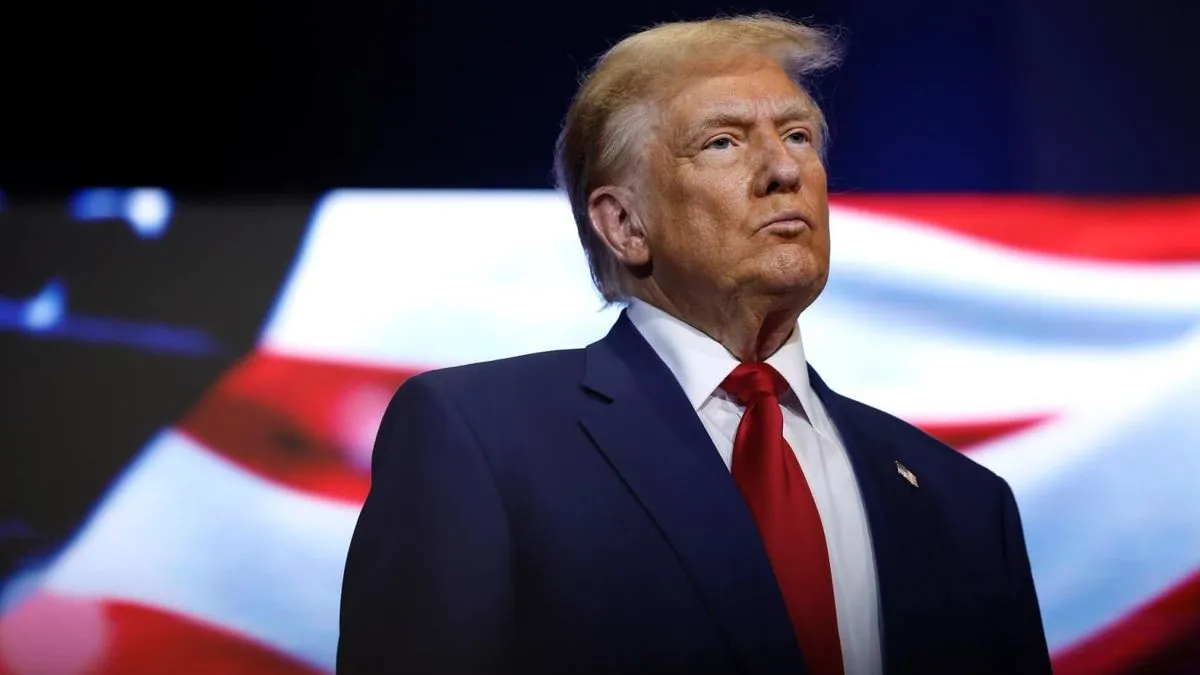
The woman at the center of the reports is identified by The New York Times, as cited by CryptoPotato, as Alice Huang, a former executive at Singapore-based Megaspeed International. The Times reported that Megaspeed bought more than $4.8 billion of Nvidia chips over the past two years and that U.S. intelligence suspected her of being a Chinese intelligence asset. Nvidia defended the Megaspeed relationship on October 29, with a spokesperson saying the diversion allegations against the regional cloud "were thoroughly investigated and debunked last year." President Donald Trump said Monday that the FBI is investigating and that Huang told him he had "no idea" the woman was a spy.
Litigation and Governance Risk
Retail investor Mark Kistenmacher filed a complaint Monday in federal court in San Jose, California, naming Nvidia and Huang. It alleges the company misled investors about its Megaspeed relationship and that the national security concerns raised by the affair were a material reputational risk. The proposed class covers shareholders who bought between October 9, 2025, and November 8, 2026, and the Rosen Law Firm said investors have until January 8, 2027, to seek lead-plaintiff status. Note that the complaint's class period as reported runs to November 2026, which is later than the article date would suggest and should be checked against the original filing.
Analysts quoted by Decrypt diverge on the leadership question. Chris Weston of Pepperstone told Reuters he did not expect Huang to resign but that an imminent departure could trigger an "absolute bloodbath" in the stock. Dan Ives of Yorkville Ives & Co. called Huang not replaceable while acknowledging the investigation could still lead to his removal. Decrypt noted that Huang, 63, has run Nvidia since co-founding it in 1993 and has built a centralized management structure, and that analysts have questioned whether a clear successor exists.
Why It Matters
For Traders
Intraday and closing figures differ sharply across reports, so position sizing should be based on verified closing prices rather than headline drop figures.
For Investors
Leadership succession and export-control scrutiny of Nvidia's Megaspeed business are now open questions that could affect the company's multi-quarter risk profile.
For Builders
Teams relying on Nvidia hardware supply should watch for export-compliance and customer-vetting changes that could shift chip availability for regional cloud providers.
This article is for information only and is not financial advice. Read the full disclaimer.