Senate Clarity Act Faces Uncertain Path as Summer Recess Approaches
The Senate has not signaled whether it will advance the Digital Asset Market Clarity Act before its summer recess, leaving the bill's fate unclear. Multiple legislative outcomes remain possible as lawmakers prepare for the break.
Written by CoinArticle’s AI Newsroom · from 1 cited source. How we work
Bill Status Remains Unconfirmed
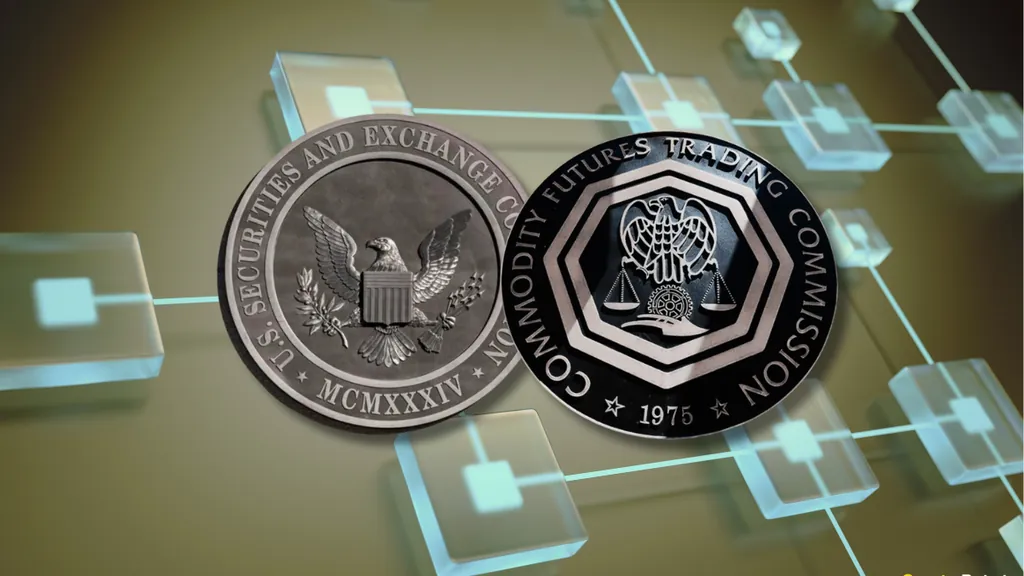
The Senate has not yet indicated whether it will bring the Digital Asset Market Clarity Act to a floor vote or advance it through committee before the chamber's summer recess. The legislation, which aims to clarify regulatory jurisdiction over digital assets between the SEC and CFTC, has been pending for months without a clear timeline for action.
Possible Paths Forward
With recess approaching, several outcomes are now in play. The bill could advance to a vote, be deferred to the fall legislative calendar, be folded into broader financial services legislation, or stall indefinitely if Senate leadership does not prioritize it. The uncertainty reflects the competing pressures on Senate time and disagreement among lawmakers over specific provisions of the clarity framework.
Regulatory Implications
The lack of movement on Clarity leaves the existing regulatory split between the SEC and CFTC intact. This ambiguity continues to complicate compliance for exchanges, token issuers, and DeFi platforms operating in the United States.
Why It Matters
For Traders
Regulatory clarity delays may extend current uncertainty around which assets fall under SEC versus CFTC jurisdiction, affecting listing timelines on major exchanges.
For Investors
Prolonged ambiguity over digital asset regulation raises long-term compliance costs for token projects and keeps legislative risk priced into crypto-exposed equities.
For Builders
Protocol teams and DEX operators must continue operating under split SEC/CFTC oversight until Congress acts; a fall vote could narrow or expand compliance obligations depending on final language.
This article is for information only and is not financial advice. Read the full disclaimer.