South Korea Proposes Lifting ICO Ban and Capping Exchange Stakes
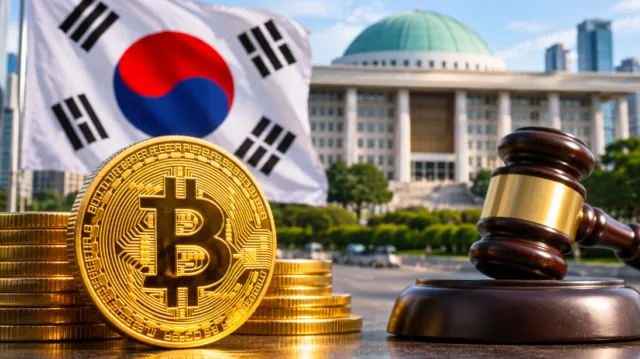
South Korea's Financial Services Commission has proposed ending its 2017 ban on initial coin offerings, with issuers required to disclose planned use of investor funds. The regulator also proposed a 20% ownership cap on crypto exchanges, with exceptions, and limited initial won-pegged stablecoin issuance to bank-majority consortia.
Written by CoinArticle’s AI Newsroom · from 2 cited sources. How we work
The Proposed Framework
South Korea's Financial Services Commission has proposed ending the country's 2017 ban on initial coin offerings, according to reporting by CoinDesk. Under the proposal, token issuers would have to disclose how they intend to spend investor money, and those who mislead buyers could face criminal charges.
The Defiant reported the same regulatory package but placed its emphasis on market structure rather than fundraising. Both accounts describe a regulator moving from prohibition toward a disclosure-based model, with enforcement backed by criminal liability.
Exchange Ownership and Market Structure
The proposal includes a 20% cap on ownership of crypto exchanges by a single shareholder, though it allows exceptions. The Defiant's report stresses this provision as the most consequential structural element, since it would limit the degree to which large holders can control domestic trading venues. The exceptions are not detailed in the coverage available, and neither source specifies how they would be evaluated.
Stablecoins and Bank Involvement
For won-pegged stablecoins, the FSC would initially restrict issuance to bank-majority consortia. The Defiant notes this as a deliberate early-stage limit rather than a permanent rule. The reports do not indicate a timeline for when non-bank issuers might be admitted.
Policy Goals and Open Questions
CoinDesk frames the ICO reversal as an effort to create jobs and keep crypto investment onshore, reversing a trend in which Korean investors have accessed token sales offshore. The sources do not quantify the expected employment or capital effects, and the proposal remains subject to the rulemaking process before taking effect. Market participants should watch for the final text of the exchange cap exceptions and the eligibility criteria for stablecoin consortia.
Why It Matters
For Traders
Exchange ownership limits and bank-only stablecoin issuance could shift liquidity and listing dynamics on Korean venues, but the proposal is not yet final and timing is unclear.
For Investors
A move from ICO prohibition toward disclosure-based rules signals a structural change in how Korea regulates token issuance and domestic crypto market ownership.
For Builders
Teams building for Korean users should track the disclosure requirements for token issuers and the bank-consortium rules for won-pegged stablecoins before designing local products.
This article is for information only and is not financial advice. Read the full disclaimer.