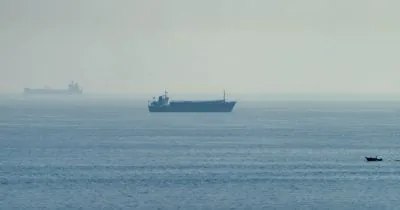
Strait of Hormuz Crisis Fuels WTI Crude Oil Price Predictions for April
As tensions escalate in the Strait of Hormuz, WTI crude oil forecasts indicate increased uncertainty and volatility for April. This strategic waterway's significance to global oil supply makes it a focal point for traders and investors alike.
Written by CoinArticle’s AI Newsroom · from 1 cited source. How we work
Strait of Hormuz Crisis Fuels WTI Crude Oil Price Predictions for April
As tensions escalate in the Strait of Hormuz, forecasts for West Texas Intermediate (WTI) crude oil markets reveal heightened uncertainty and potential volatility for April. This strategic waterway serves as a crucial transit route for a significant portion of the world's oil supply; thus, any geopolitical tensions in the region carry substantial implications.
Geopolitical Tensions and Market Impact
The ongoing crisis in the Strait of Hormuz is driven by a series of escalating incidents, causing alarm among global oil traders and analysts. With close to 20% of the world’s crude oil passing through this narrow passageway, any disruption could have extensive repercussions on oil prices and global economic stability. Analysts predict that potential disruptions may trigger a spike in WTI prices, as traders implement hedging strategies against looming supply shortages.
The complexity of the situation is further exacerbated by regional conflicts and shifting alliances within the Middle East. Observers suggest that these dynamics could compel nations to reconsider global energy policies, as countries might seek alternative supply routes or diversify their energy sources to reduce over-dependence on the Strait.
What This Means for the Oil Market
As we approach April, the uncertainty surrounding the Strait of Hormuz is set to keep WTI crude oil prices on a volatile trajectory. Traders are likely on the lookout for market opportunities, employing derivatives and futures contracts to navigate potential price fluctuations. This may result in increased trading volumes as investors respond to real-time developments within the region.
Why It Matters
For Traders
For traders, the evolving situation presents both risks and lucrative opportunities. Those adept at interpreting geopolitical trends may discover profitable avenues in the WTI market. Staying informed and agile is crucial for adjusting strategies in response to real-world events that influence oil supply and demand.
For Investors
Investors must recognize that heightened geopolitical risks frequently lead to significant price volatility in oil markets. As WTI prices fluctuate, diversifying investment portfolios might prove advantageous, providing a balance between exposure to oil assets and alternative, safer investments.
For Builders
For those in the energy sector, these developments may necessitate a reevaluation of project timelines, budgets, and sourcing strategies. Rising oil prices could also stimulate innovations and investments in alternative energy solutions, as the pursuit of energy diversification becomes more pressing in response to geopolitical vulnerabilities.
In conclusion, the ongoing crisis in the Strait of Hormuz is poised to significantly shape WTI crude oil markets as we enter April. Stakeholders across the spectrum must remain vigilant and strategic to effectively navigate this intricate landscape.
This article is for information only and is not financial advice. Read the full disclaimer.