Tether Reportedly Sought 20% Fees From Hack Victims to Return Frozen USDT
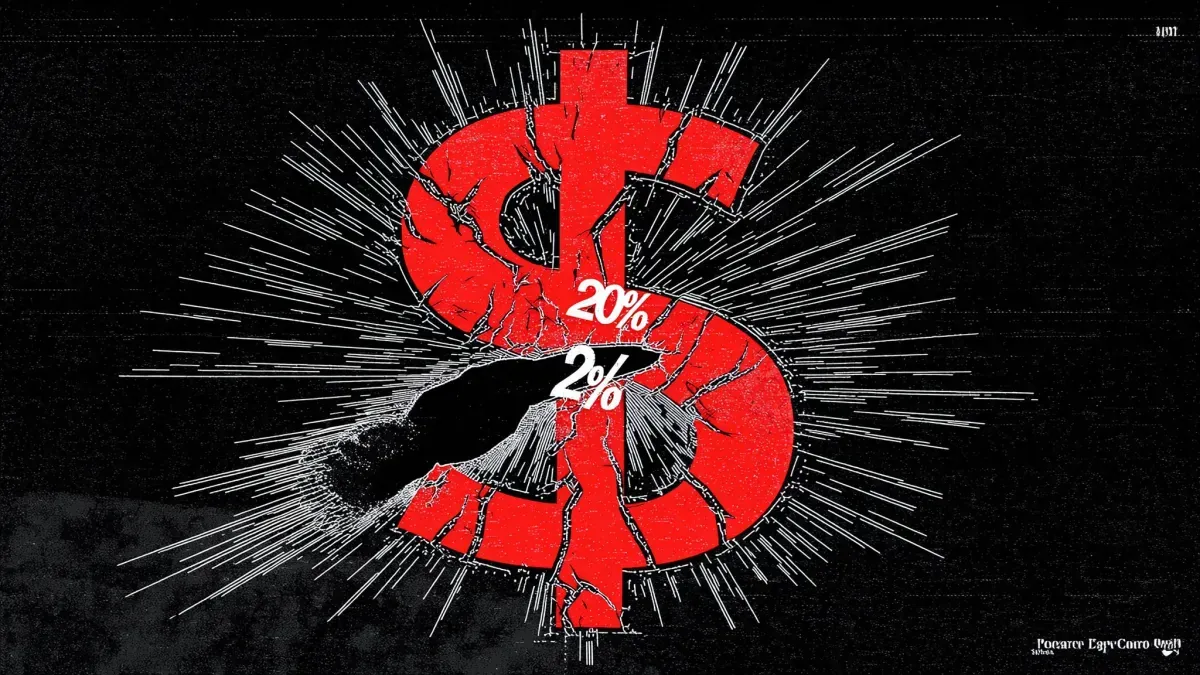
Bloomberg reported that Tether sought fees of up to 20% from some crypto hack victims seeking to recover USDT the issuer had frozen. Tether says the charges cover reissuance and legal costs, while the company's published recovery policy sets a different fee structure.
Written by CoinArticle’s AI Newsroom · from 2 cited sources. How we work
The Reported Fee Demands
Tether has reportedly asked some cryptocurrency hack victims for fees of 20% to recover USDT frozen by the stablecoin issuer, according to a Bloomberg investigation. The report says some victims have spent years trying to reclaim stolen tokens even though Tether can prevent hackers from moving them and reissue them to their rightful owners.
Singapore-based exchange Bittok is cited as one example. It lost $50 million in a 2020 security breach and, according to Bloomberg, has still not recovered its frozen USDT more than five years later. The Defiant's summary of the Bloomberg reporting says Bittok is still waiting for its funds.
Tether's Explanation
A Tether spokesperson told Bloomberg that the company has reissued $1.2 billion in USDT to date and that the fees help cover expenses of the recovery process, including legal costs. CEO Paolo Ardoino said Tether returns funds in stages in civil disputes to limit legal exposure, citing a lack of clear legal guidance on the process.
A Separate Published Policy
Tether's public token recovery policy covers a different situation: users who accidentally send USDT to unsupported addresses or incompatible smart contracts. Under that policy, requests above $1,000 are accepted and Tether charges up to 10% of the recovered amount or $1,000, whichever is higher. Applicants must complete identity verification and supply transaction records, destination addresses and details of the loss. Tether may request more documents, and recoveries can take several months. Theft, fraud and hack cases are handled by a separate information requests team. The 20% figure in the Bloomberg report is not part of that published schedule, and the sources do not indicate which fee terms applied in the cases described.
Freezes in the Wider Context
The reporting follows Tether and Circle's intervention in October, when North Korean hackers stole billions of dollars in crypto from Binance. Both companies blacklisted addresses tied to the stolen funds using administrative controls that do not require the private keys of affected wallets. Bloomberg puts USDT and Circle's USDC together at 86% of the circulating stablecoin market. Tether is working on direct emergency communication channels with major exchanges to speed up coordination during breaches.
DeFi lending markets have faced similar problems. Aave introduced precautionary market freezes on Oct. 30 after claims that a wallet linked to the Binance attacker had deposited $60 million in USDT as collateral to borrow about 19,762 ETH, an asset Tether cannot freeze directly. Earlier in November, Ardoino confirmed Tether had frozen more than $4.5 million in USDT tied to a Mercado Bitcoin security incident on Nov. 2. Tether has also used freezes in cooperation with government agencies investigating money laundering and sanctions violations. Its terms of service allow freezes and suspended redemptions in cases involving litigation, government investigations or suspected legal violations.
Why It Matters
For Traders
Frozen or delayed USDT recoveries could affect liquidity on exchanges and DeFi venues that hold large USDT balances, so watch for further freeze announcements.
For Investors
The episode raises questions about how far stablecoin issuers' freeze powers and recovery terms will be scrutinized by regulators as the sector grows.
For Builders
Protocols accepting USDT should plan for issuer-level freezes and blacklists that can strand collateral even when they do not control the underlying wallets.
This article is for information only and is not financial advice. Read the full disclaimer.