Venice AI Privacy Allegations Send VVV Down Over 13%
Venice AI faces allegations from researcher ada cyborg that it routes some prompts to third-party providers and leaves parts of its data unencrypted, which the platform's co-founder disputes. The VVV token fell between 13.5% and more than 15% following the reports, according to the two outlets.
Written by CoinArticle’s AI Newsroom · from 2 cited sources. How we work
What Was Alleged
Crypto researcher ada cyborg published claims on November 26, 2026, that Venice AI forwards many user requests, particularly image generation prompts, to outside providers. The named hosts include DeepInfra, Fireworks, Baseten, Parasail, and fal.ai. Venice markets itself on keeping user prompts private, which makes the routing claim the central issue.
The researcher also alleged weaker security practices. According to ada cyborg, seven of twenty-one database tables are unencrypted, chat database keys are stored in plaintext, and public keys are transmitted unencrypted, which could expose chat interactions to unauthorized access. A separate allegation from November 25, 2026, claims users saw outputs from models other than the ones they selected.
Founder Response
Co-founder Erik Voorhees has defended the platform's privacy practices. According to The Defiant, he said some models labeled Private run on outside servers under no-retention agreements, meaning the providers are contractually barred from keeping user data. That is a narrower position than denying third-party routing altogether: the outside hosts are acknowledged, while the claim is that retention is contractually prevented.
The two reports differ on the scope of that response. Crypto Briefing's account centers on the researcher's allegations and does not report a direct rebuttal on the encryption findings, while The Defiant frames the founder's statement as the primary response. Readers should treat the encryption and key-storage claims as unverified allegations from a single researcher, not as established findings.
Market Reaction
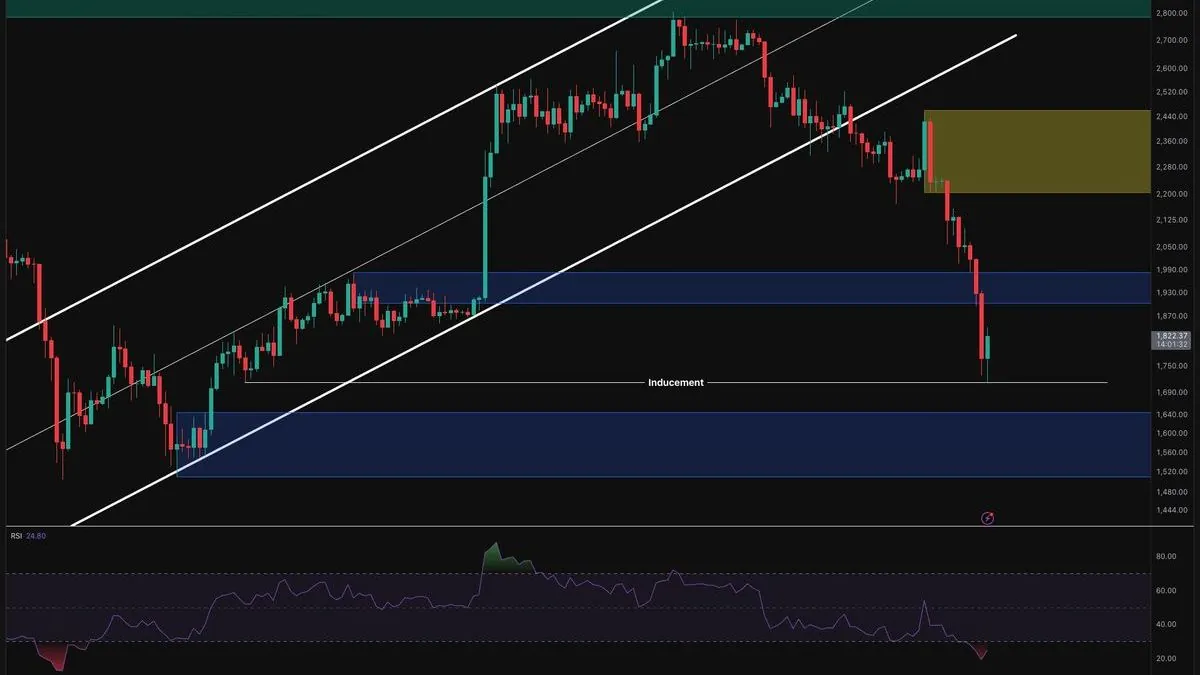
The reported price impact differs between sources. Crypto Briefing reports that VVV fell more than 15% after the allegations surfaced. The Defiant reports a 13.5% decline within two hours, a period during which Bitcoin barely moved. The discrepancy likely reflects different measurement windows; the two figures should not be combined into a single number.
VVV reached an all-time high of $34.53 in September 2026, according to Crypto Briefing. The token launched January 27, 2025, and uses buy-and-burn mechanics that direct platform revenue toward repurchasing and removing tokens from circulation. Holders can stake VVV for platform access and earn DIEM credits used to pay for the service.
Context and What Comes Next
Venice launched in 2024 as a privacy-focused alternative to mainstream AI services and raised a $65 million Series A in July 2026 at a reported $1 billion valuation. Because VVV's utility and buy-and-burn revenue both depend on platform usage, and usage depends largely on the privacy proposition, the allegations bear directly on the token's economic model.
The open questions are whether the encryption and key-storage allegations can be independently verified, whether the model substitution claims are reproduced, and whether Venice publishes documentation of its third-party data-processing agreements. Users who sent sensitive prompts, particularly image requests, may wish to review where that data was processed under the platform's stated policies.
Why It Matters
For Traders
VVV's reported 13.5% to 15%+ decline is tied to unverified allegations, so price action may remain volatile until the platform responds to the encryption and routing claims.
For Investors
If usage falls on privacy concerns, buy-and-burn revenue shrinks, which weakens the token's economic model regardless of the outcome of the specific allegations.
For Builders
Privacy-focused AI products that route requests to third-party inference hosts need clear, verifiable data-retention documentation, since users will not accept contractual assurances alone.
This article is for information only and is not financial advice. Read the full disclaimer.