World Liberty Financial Launches WLFI Token Buyback Funded by USD1 Reserve Fees
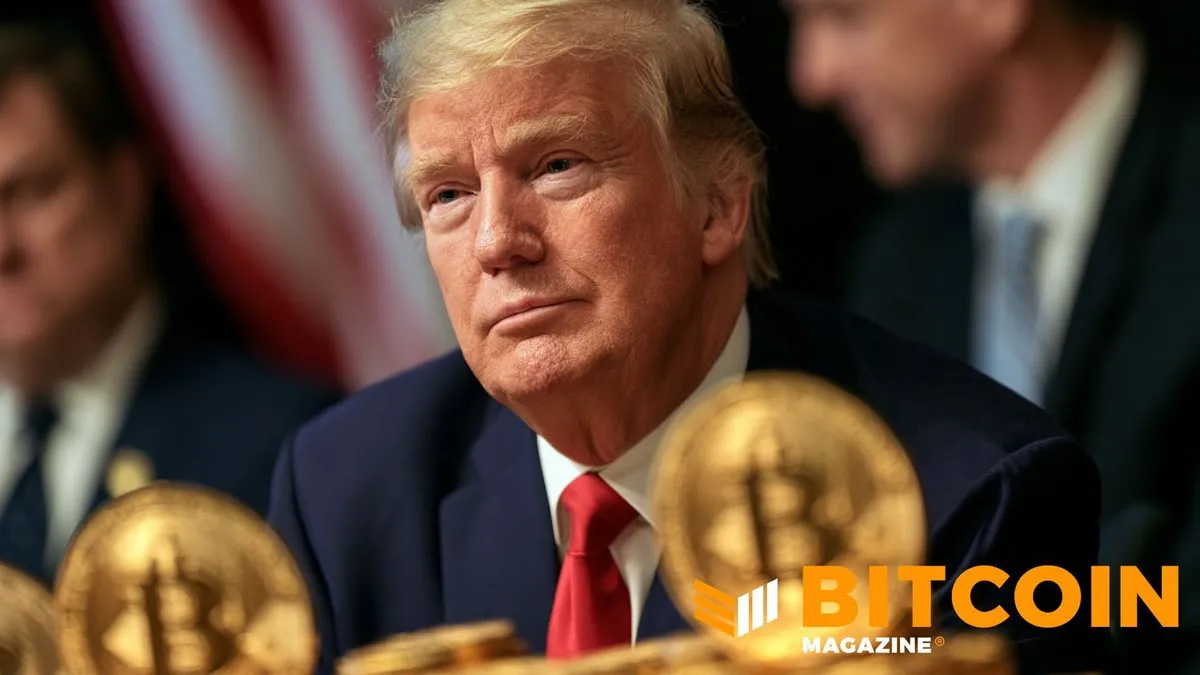
World Liberty Financial announced on November 6 a program to repurchase its WLFI governance token, funded partly by fees from reserves backing its USD1 stablecoin. The project says the buybacks aim to concentrate governance power among long-term holders, and WLFI traded near $0.047 at the time of reporting.
Written by CoinArticle’s AI Newsroom · from 2 cited sources. How we work
What World Liberty Announced
World Liberty Financial, the decentralized finance project associated with the Trump family, said on November 6 that it will repurchase its WLFI governance token. According to Crypto Briefing, the program will draw initial funding from several sources, including fees generated by the reserves backing USD1, the project's dollar stablecoin. CryptoPotato reported that the project framed the buybacks as an "ongoing part" of its long-term strategy, with pace and scale to depend on ecosystem growth and the program's effect on governance participation.
The stated goal is governance, not price support alone. In a post on X, the team said the aim is to "encourage active participation in WLFI governance and consolidate voting power among our most committed long-term holders." Both reports describe the mechanism in similar terms: tokens bought from holders who exit leave circulation, leaving remaining holders with a larger share of votes. Crypto Briefing said repurchased tokens' treatment was not restated for this program, while the project's earlier mandate called for burning them.
Relationship to Earlier Buybacks
This is not the first buyback. A September 2025 governance proposal directed 100% of fees from protocol-owned liquidity across several blockchains toward open-market WLFI purchases, with the repurchased tokens to be burned. Crypto Briefing reported that multiple buybacks were carried out in late 2025, including one of roughly $10 million that acquired 59 million WLFI. The new program appears to extend that mechanism by adding stablecoin reserve revenue to the funding base. Crypto Briefing describes the change as broadening the earlier effort; CryptoPotato does not make that comparison.
Market Reaction
The price response was muted. CryptoPotato, citing CoinGecko, said WLFI traded near $0.047 at the time of writing and had barely moved over 24 hours despite the announcement. The same data showed a decline of roughly 8% over seven days, 12% over two weeks and more than 14% over 30 days. The token was more than 60% below its level twelve months earlier and about 85% below its September 2025 all-time high. Trading volume rose sharply, to about $115.3 million, a 96% increase from the prior day.
CryptoPotato also noted weakness across other Trump-linked tokens after the November 3 midterm elections, when the president's party performed poorly. Official Trump (TRUMP) fell 10% in one day, and MELANIA dropped a further 10% amid a longer downtrend.
Analyst commentary was more optimistic. Michael van de Poppe, cited by CryptoPotato, pointed to buyback-driven gains in other tokens, naming HYPE, PUMP and UNI, and argued that WLFI could follow. That view is an individual analyst's forecast rather than a measured outcome, and the reports do not establish that buybacks have produced those gains. Zack Witkoff, a World Liberty co-founder, posted "Burn baby burn" and told followers to "stay tuned" for further announcements, according to CryptoPotato.
Open Questions
Crypto Briefing argues the program could tighten WLFI supply over time and that its funding now partly depends on USD1 adoption. If stablecoin growth stalls, the project's adaptive design implies slower buybacks, though neither report quantifies the funding for the 2026 program. Both sources treat the project's public reporting of buyback activity as the main way to verify whether purchases match the stated goals and funding sources. The reports do not provide the program's total budget, purchase schedule or whether repurchased tokens will be burned.
Why It Matters
For Traders
WLFI's price barely reacted to the buyback news, so any demand effect has not yet shown up in trading data.
For Investors
Linking buybacks to USD1 reserve fees ties WLFI's token demand to the stablecoin's growth, making that adoption a key metric to track.
For Builders
Funding buybacks from reserve yield rather than trading fees is a design pattern builders of stablecoin-backed governance tokens may want to study.
This article is for information only and is not financial advice. Read the full disclaimer.