South Korea's GOPAX Suspends Trading and Withdrawals After Hacking Threat
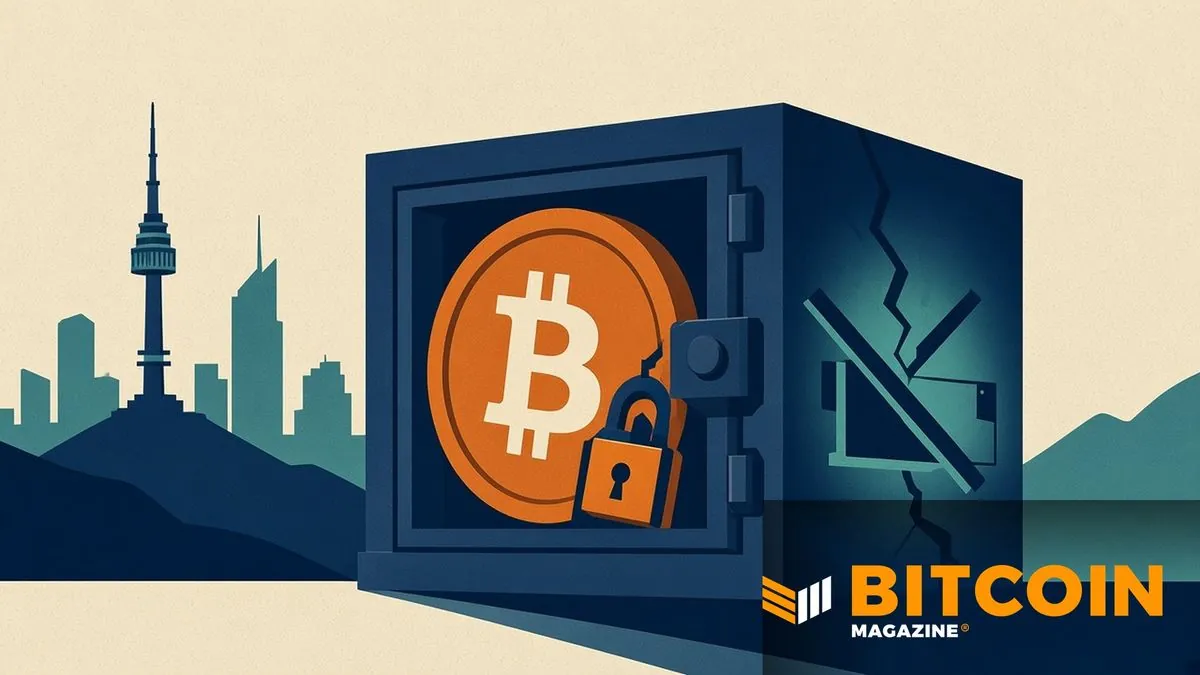
South Korean exchange GOPAX halted trading and standard withdrawals on November 6 after receiving a hacking-threat email, and is moving customer assets into cold storage. The company says it has detected no attack or loss, and has not set a date for resuming normal services.
Written by CoinArticle’s AI Newsroom · from 2 cited sources. How we work
What Happened
South Korean exchange GOPAX stopped standard deposits and withdrawals at 2:55 p.m. local time on November 6 (5:55 a.m. UTC) and suspended trading at 3:53 p.m. (6:53 a.m. UTC), canceling all open orders, according to the company's notices. The suspension followed an email threatening to compromise the exchange. GOPAX said it had not detected an actual attack or any attempt to steal customer assets, and a company representative told Kyunghyang Shinmun that the threat had been received but no hacking activity had occurred.
The timing of the first halt is reported differently across outlets. Bitcoin Magazine, citing Yonhap, says deposits were initially paused along with withdrawals, while later Korean coverage it cites says deposits were restored and only web and app withdrawals remained closed. The company has not announced when regular trading, deposits or withdrawals will resume.
Cold Storage and Customer Withdrawals
GOPAX said it plans to transfer all held virtual assets to cold wallets, which are not connected to the internet, to reduce the exposure of customer funds to online access. Customers cannot withdraw directly through the website or app. Instead, they must submit a request through the customer support center, where each request is manually verified and approved, a process the exchange warned would take longer than usual.
Regulatory Backdrop and Reserve Levels
The move follows instructions from South Korea's Financial Services Commission, which held an emergency meeting with major exchanges on November 2 after the roughly $6.3 billion theft from Binance hot wallets on October 29. Under the Virtual Asset User Protection Act, exchanges must hold at least 80% of customer crypto value in cold storage. Financial Supervisory Service data showed GOPAX held 80.54% offline at the end of September, close to that floor, compared with Upbit at 99.17%, Bithumb at 94.76% and Coinone at 85%. Authorities have discussed raising the minimum to as much as 99%, but no final decision has been announced.
Prior Account Incidents
GOPAX has faced separate account problems. Yonhap's Korean reporting, as cited by Bitcoin Magazine, says abnormal access beginning in early September exposed personal information for seven customers and two current or former employees, with further leakage confirmed last month. The company has treated that breach as distinct from Friday's threat email, and no link between the two has been confirmed. GOPAX did not respond to crypto.news's request for comment before press time.
Why It Matters
For Traders
GOPAX customers face delayed outflows and no trading until the exchange reopens, so any positions or balances held there are effectively illiquid for now.
For Investors
The episode underscores regulatory pressure on South Korean exchanges to raise cold-storage ratios, which could raise operating costs and favor larger platforms.
For Builders
Teams integrating exchange APIs or deposit flows with GOPAX should plan for manual withdrawal queues and build in fallbacks for extended halts.
This article is for information only and is not financial advice. Read the full disclaimer.