HKMA, SWIFT and Three Banks Explore 24/7 Cross-Border Tokenized Deposit Payments
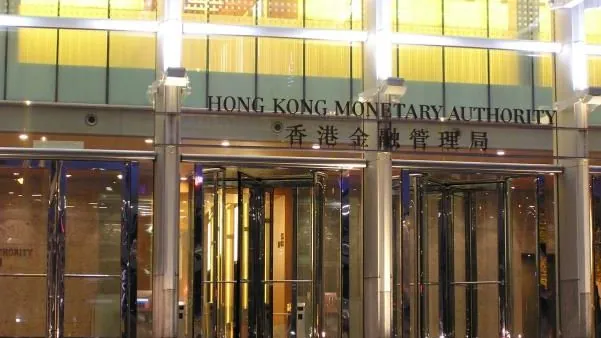
The Hong Kong Monetary Authority said on November 16 that it is working with SWIFT and three major banks to test cross-border payments using tokenized deposits in multiple currencies. The effort would link SWIFT's ledger to the settlement infrastructure behind Project Ensemble, which already supports 24/7 interbank settlement in Hong Kong.
Written by CoinArticle’s AI Newsroom · from 2 cited sources. How we work
The Collaboration
The Hong Kong Monetary Authority (HKMA) announced on November 16 that it is deepening work with SWIFT and three banks, Bank of China Hong Kong, Standard Chartered Hong Kong and HSBC, to explore cross-border payments using tokenized deposits across several currencies. The study will examine how SWIFT's ledger can connect with the settlement infrastructure behind Project Ensemble, the HKMA's initiative for tokenized money and financial assets.
HKMA Deputy Chief Executive Howard Lee said the work would explore support for "real-time, always-on and programmable cross-border transactions." SWIFT Chief Business Officer Thierry Chilosi said the network connects market infrastructure supporting transactions in 150 currencies. Coverage of the announcement describes the project in slightly different terms: one report characterizes it as a test, while another frames it as an exploration of how the two systems could be connected.
SWIFT's Existing Ledger Work
The cross-border effort builds on SWIFT's blockchain program. A 17-bank ledger pilot launched in July includes Citi, HSBC, DBS, BNP Paribas, UBS and Standard Chartered. The pilot is designed to support tokenized deposit payments overnight and on weekends while banks keep their own compliance, credit and risk controls.
In August, HSBC and Standard Chartered completed their first live transaction between their separate tokenized deposit systems. According to HSBC's announcement, payment messages moved through SWIFT's ledger, while the resulting deposit obligations were recorded on each bank's own infrastructure. The ledger matched and netted those obligations before final settlement through existing systems.
Hong Kong's Domestic Rollout
The cross-border work sits alongside a domestic upgrade. On November 2, the HKMA introduced 24/7 interbank settlement using tokenized central bank money for EnsembleTX, the pilot phase of Project Ensemble. Twelve banks and 20 industry participants are involved. EnsembleTX launched in November 2025 on Hong Kong's dollar-denominated real-time gross settlement system, and early use cases include corporate treasury management and tokenized money market fund transactions.
Participants named by the authority include Ant International, BlackRock and China Asset Management Hong Kong. Securities and Futures Commission CEO Julia Leung said the upgraded infrastructure could support corporate treasury operations and secondary trading of tokenized funds on licensed platforms around the clock.
Standard Chartered and HSBC Product Activity
Standard Chartered introduced a deposit service in Hong Kong on November 2, making the city the first market in its network to offer the product to corporate clients. The service runs on the bank's proprietary blockchain and lets eligible clients use commercial bank deposits in digital treasury and investment workflows, including transfers between entities in the same business. The bank said China AMC, Finloop and PantherTrade have executed live tokenized deposit and money market fund settlement transactions through EnsembleTX. Standard Chartered also plans to bring the offering to other markets and is working with Fireblocks, with HashKey joining the ecosystem.
HSBC's August announcement listed its Tokenised Deposit Service as live in six markets, Hong Kong among them.
Why It Matters
For Traders
Tokenized deposit and money market fund settlement running outside banking hours could change liquidity timing for Hong Kong-linked positions, though no near-term price effect has been reported.
For Investors
Central bank-backed settlement connected to SWIFT's 150-currency network signals banks moving toward tokenized deposits as core payment rails rather than niche pilots.
For Builders
Ledger designs that keep deposit obligations on each bank's own systems while netting on a shared ledger offer a concrete reference model for institutional tokenization products.
This article is for information only and is not financial advice. Read the full disclaimer.