Iran Reportedly Launches Bitcoin-Settled Shipping Insurance for Strait of Hormuz Transit
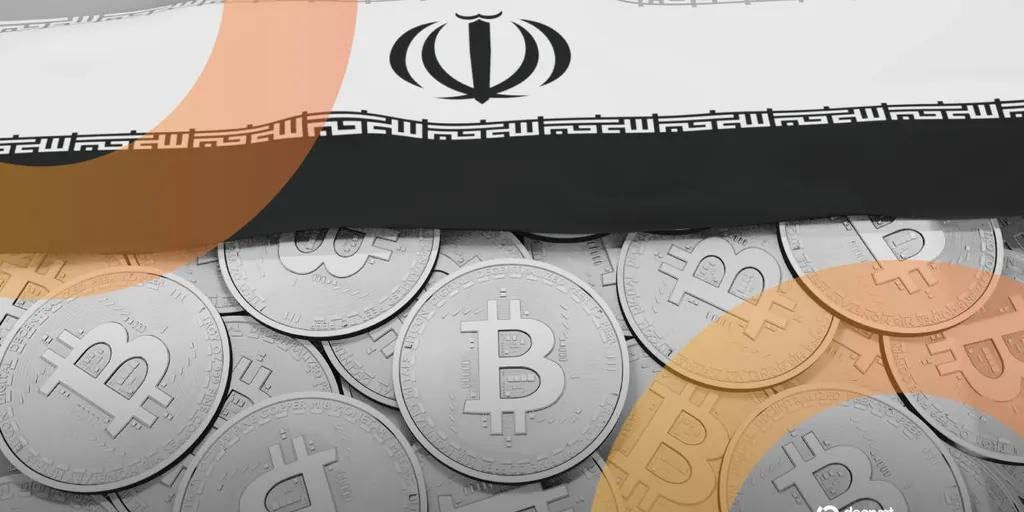
Iran has reportedly launched Hormuz Safe, a bitcoin-settled maritime insurance platform for vessels transiting the Strait of Hormuz and Persian Gulf. Iranian government projections cite more than $10 billion in revenue, but operational status could not be confirmed at the time of reporting.
Written by CoinArticle’s AI Newsroom · from 2 cited sources. How we work
What Has Been Reported
Iran has reportedly launched Hormuz Safe, a maritime insurance platform settled in bitcoin and aimed at cargo owners and shipping companies operating through the Strait of Hormuz and the Persian Gulf. Bloomberg reporting, citing Fars News Agency, says the platform is backed by Iran's Ministry of Economy and Financial Affairs and projects more than $10 billion in revenue. Fars, which is affiliated with the Islamic Revolutionary Guard Corps (IRGC), attributed the details to internal government documents.
The Hormuz Safe website describes its product as "fast, verifiable digital insurance" paid in bitcoin. Stated coverage includes risks from vessel inspection, detention and confiscation, while war-damage claims are excluded. Documents obtained by Fars say the Ministry had been developing the framework since April. Reporting also says it was not possible to confirm whether the platform was operational or had processed any real policies.
Context: The Hormuz Transit Regime
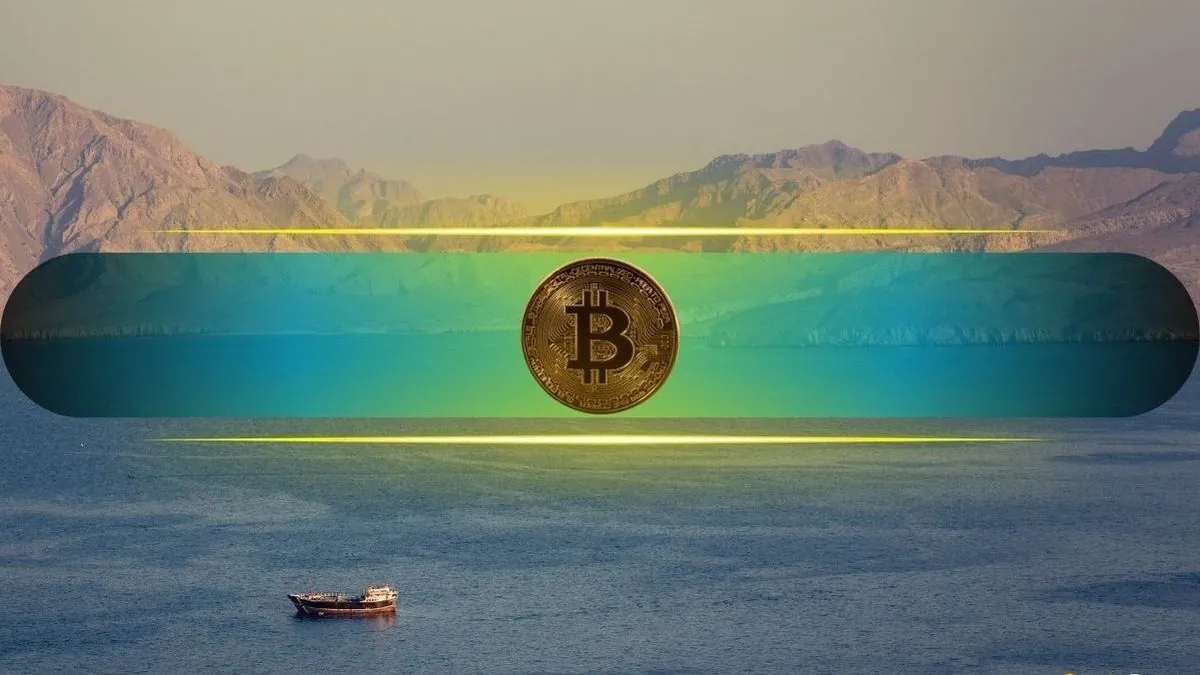
The insurance product builds on a toll system already in place. The IRGC has operated a transit fee regime since mid-March, which Iran's parliament codified in March 2026 as the Strait of Hormuz Management Plan. Under that framework, vessel operators must submit ownership, cargo, destination and crew details to an IRGC-linked intermediary before receiving a permit code. Reported fees start at around $1 per barrel of oil, with a fully loaded vessel facing charges of up to $2 million.
Bitcoin entered the picture in April, when Hamid Hosseini, spokesperson for Iran's Oil, Gas and Petrochemical Products Exporters' Union, told the Financial Times that Hormuz transit fees could be settled in bitcoin or other non-dollar currencies, including yuan. The Strait handles roughly 20% of global oil supply, and Iran's control over that route is the basis for the revenue projections.
Sources Disagree on the Revenue Framing
The sources differ on how to read the $10 billion figure. Bitcoin Magazine presents it as the scheme's projected revenue, while the reporting it draws on attributes the number to Iranian government documents rather than to any independent estimate. CryptoPotato's coverage centers on the price impact question and does not independently verify the projection. No independent estimate of the platform's likely volumes was available in either source, so the figure should be treated as an Iranian government projection, not a forecast with external support.
Iran's Prior Bitcoin Activity
Iran legalized industrial bitcoin mining in 2019 and at one point ran as much as 4.2% of global hashrate, according to figures cited in the coverage. U.S. and Israeli military strikes reportedly damaged much of that infrastructure. The sources cite an estimated $7.8 billion Iranian crypto ecosystem in 2025, with IRGC-linked transactions accounting for roughly 50% of total crypto volume by Q4 that year. Sam Lyman, research director at the Bitcoin Policy Institute, said bitcoin's resistance to seizure is central to Tehran's calculus under comprehensive U.S. Treasury sanctions.
Market Reaction Not Yet Established
The sources do not report a measurable bitcoin price move attributable to the Hormuz Safe reports. CryptoPotato frames the story around whether bitcoin's price will react as it did when similar reports emerged previously, but the material provided does not document that prior reaction, so no comparison is drawn here.
Why It Matters
For Traders
Reports are unverified and no price reaction is documented, so any short-term move would rest on headlines rather than confirmed on-chain or operational activity.
For Investors
If operational, a sanctions-resistant bitcoin settlement channel tied to a major oil route would be a notable structural development for bitcoin's use in state-level trade.
For Builders
Protocols handling cross-border maritime payments or sanctions-screened settlement should monitor how bitcoin-denominated fee flows interact with compliance and custody requirements.
This article is for information only and is not financial advice. Read the full disclaimer.