Iran Floats Bitcoin-Settled Hormuz Insurance Platform Amid US-Iran Standoff
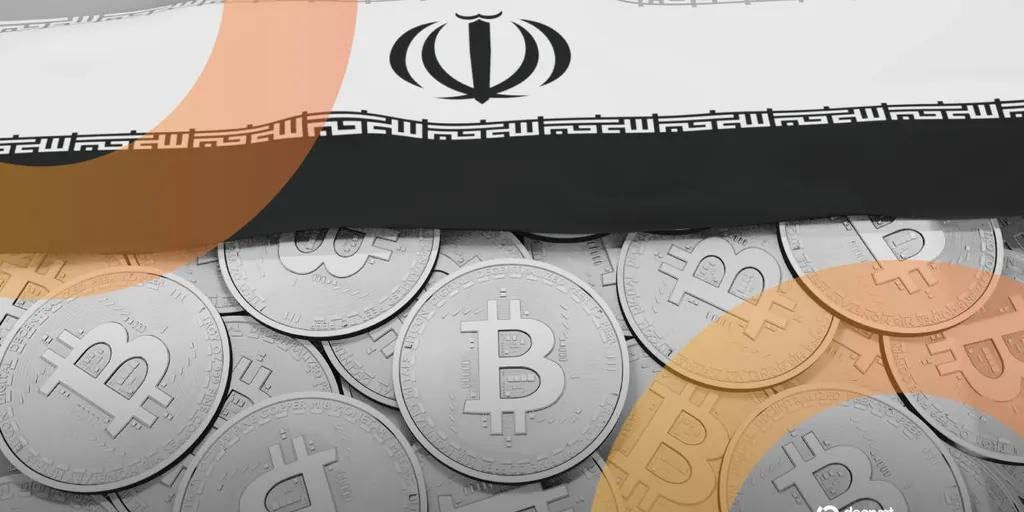
Iran's Revolutionary Guard Corps has reportedly promoted Hormuz Safe, a Bitcoin-settled maritime insurance platform for cargo transiting the Strait of Hormuz, per state-affiliated Fars. Analysts say the model is technically possible but highly doubtful at scale, with no confirmed users and public-ledger traceability limiting its appeal.
Written by CoinArticle’s AI Newsroom · from 2 cited sources. How we work
What Iran Has Reportedly Proposed
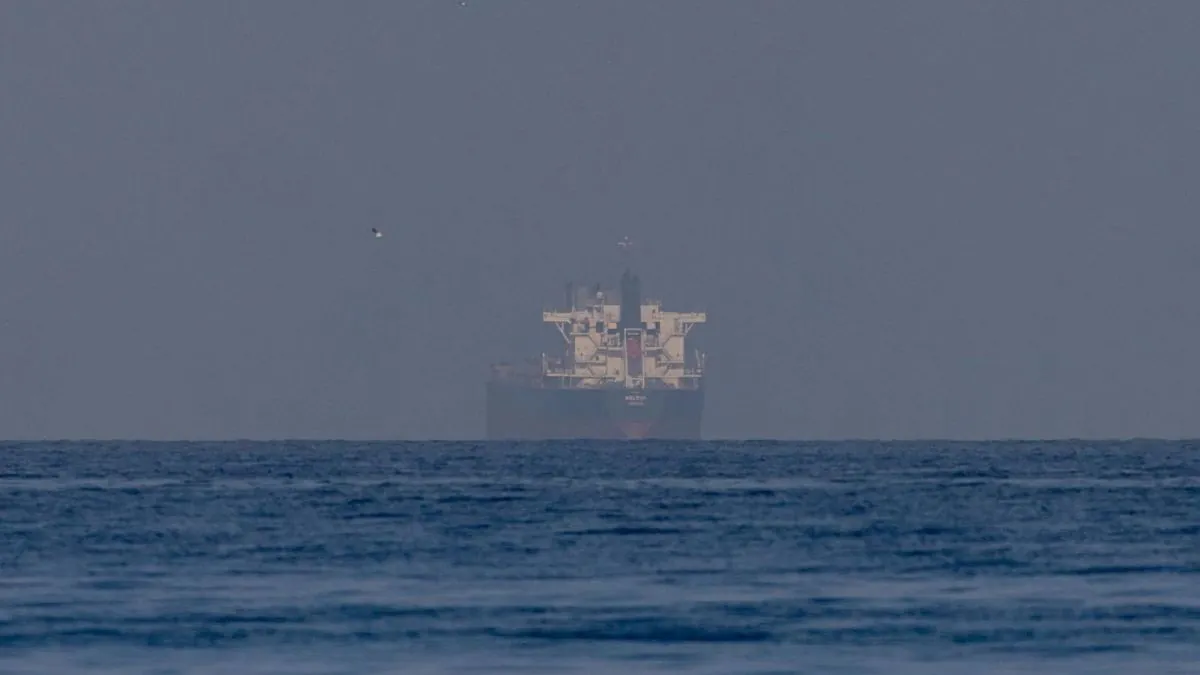
The Iranian Revolutionary Guard Corps has reportedly promoted Hormuz Safe, a Bitcoin-settled marine insurance platform covering cargo moving through the Persian Gulf, the Strait of Hormuz and surrounding waterways. According to Fars, a state-affiliated news agency, Iran's Economy Ministry has explored the broader model since late April and projected that marine insurance policies and financial responsibility certificates could generate more than $10 billion for the country.
The platform's rules describe coverage that begins at the moment of payment confirmation, with premiums settled in Bitcoin, according to the same report. NewsBTC, citing the same reporting, described the service as launched, while Decrypt's account described it as reportedly launched but without confirmed users. The two accounts agree on the core proposal but differ on how far it has progressed.
Context: Earlier Bitcoin Fee Proposals and Scams
The insurance plan follows earlier reports, more than a month old, that Iranian officials sought Bitcoin payments from tankers seeking passage through the strait, arguing the fees would be harder to trace or seize under sanctions. Decrypt also reported later cases of scammers impersonating Iranian authorities and demanding Bitcoin or USDT from vessels seeking transit clearance, which suggests the strait's crypto payment channel is already being exploited by third parties.
Market and Macro Backdrop
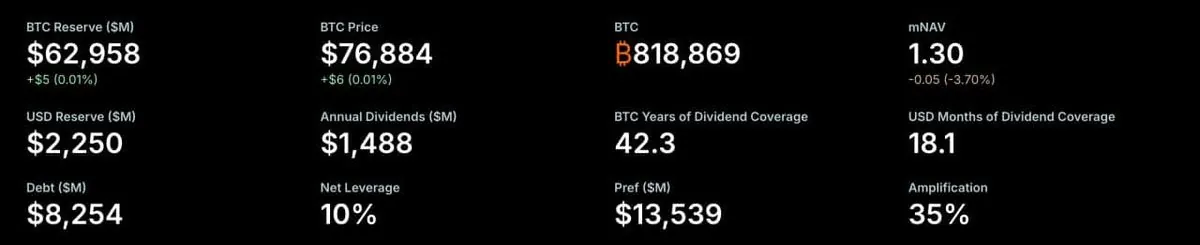
The reports arrive as the US-Iran conflict approaches its three-month mark without a deal. NewsBTC, citing Reuters, reported that President Donald Trump has threatened new strikes if talks fail, and that oil remains above $100 per barrel. Bitcoin was trading at around $77,000 at the time of NewsBTC's writing, up over the prior 24 hours per CoinMarketCap. NewsBTC also cited April inflation data showing US PPI up 6% year over year and CPI up 3.8%, and Polymarket odds of a 70% chance of no Fed rate cuts this year, factors it described as bearish for Bitcoin.
Decrypt reported prediction-market pricing on its parent company's Myriad platform: a 20% chance of a Trump announcement ending the Hormuz blockade before June, a 12% chance of Iran's regime falling before October, and a 46.5% chance of Iran closing its airspace before June. These are trader-set probabilities, not forecasts from official sources.
Analysts Question Feasibility
Analysts are skeptical. Dominick John of Zeus Research told Decrypt that Bitcoin-settled insurance is viable only for niche, sanctioned-trade workarounds and is impractical for mainstream shipping because of sanctions risk, volatility, limited legal recognition and the absence of insurer support. Ryan Yoon of Tiger Research called the platform's technical and legal viability highly doubtful and said the lack of visible users likely reflects U.S. secondary sanctions risk.
Bitcoin's public ledger cuts the other way for a sanctions-evasion use case. Agne Linge of Wefi told Decrypt that Iran-linked wallets would be exposed and related coins could be tainted, and that blockchain analytics firms would likely flag such flows. Andy Yajin Zhou of BlockSec and the Chinese University of Hong Kong also noted that blockchain data alone is usually insufficient for definitive attribution.
Europol Action on IRGC-Linked Networks
Separately, Europol said Monday that investigators had identified 14,200 links tied to the IRGC's propaganda ecosystem. Zhou told Decrypt such networks rely on interconnected infrastructure spanning social media, hosting, messaging and crypto payment channels, and that payment flows can offer investigative signals even if they cannot prove intent alone.
Why It Matters
For Traders
Headline risk from Hormuz and sanctions news may drive short-term Bitcoin volatility, but the insurance platform itself has no confirmed users and little near-term market impact.
For Investors
The episode illustrates how sanctioned states may test Bitcoin as a payment rail, while public-ledger traceability limits how useful it is for that purpose.
For Builders
Sanctions-screening and wallet-analytics tooling for Bitcoin and stablecoin flows will face growing demand as state-linked payment attempts draw scrutiny.
This article is for information only and is not financial advice. Read the full disclaimer.