Ledger Investigates $86 Million Theft Linked to Southeast Asian Reseller
Ledger is investigating reports of $86 million in cryptocurrency stolen from user wallets, with evidence pointing to devices sold through a Southeast Asian reseller. The incident has triggered discussions about hardware wallet security and the risks of purchasing through unauthorized channels.
Written by CoinArticle’s AI Newsroom · from 2 cited sources. How we work
The Reported Theft
Users reported losing approximately $86 million in cryptocurrency from Ledger hardware wallets, according to social media posts and reports from security researchers. The stolen funds span multiple blockchains, including Bitcoin, Ethereum, and Tron, suggesting a systemic compromise rather than isolated incidents.
Ledger's Investigation and Supply Chain Focus
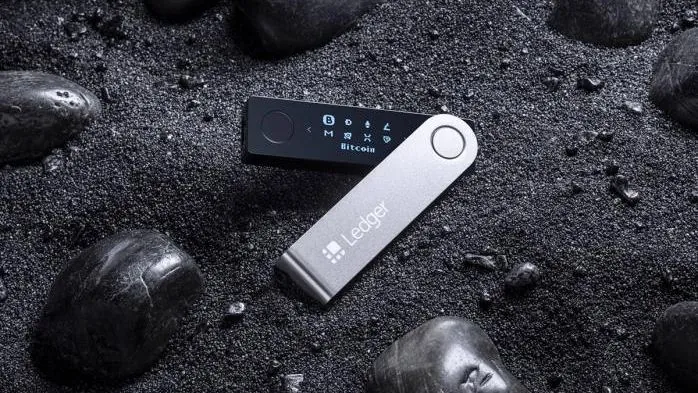
Ledger said it is investigating devices sold by a Southeast Asian reseller as a potential vector for the compromise. The company has not yet confirmed whether the wallets were tampered with before shipment, whether users fell victim to phishing after purchase, or whether a vulnerability in Ledger's firmware or software was exploited. The focus on a specific reseller suggests the breach may have been localized to unauthorized distribution channels rather than affecting all Ledger devices globally.
Security Implications
The incident underscores the risk of purchasing hardware wallets through unauthorized resellers or third-party marketplaces, where supply chain integrity cannot be guaranteed. Users who bought Ledger devices from official channels or authorized retailers have reported no signs of compromise. Security researchers and community members have used the episode to highlight the importance of verifying device authenticity and purchasing directly from manufacturers whenever possible.
Why It Matters
For Traders
Holders of Bitcoin, Ethereum, or Tron who own Ledger devices should verify their purchase source and check for unauthorized access; the compromise appears limited to specific resellers.
For Investors
The incident highlights supply chain risk for hardware wallet manufacturers and may accelerate adoption of cold storage solutions with stronger distribution controls.
For Builders
dApp and exchange teams should monitor for signs of compromised private keys across blockchain networks and consider implementing additional verification steps for large outgoing transactions.
This article is for information only and is not financial advice. Read the full disclaimer.