Paytaca Reports Two Backend Attacks on Bitcoin Cash Wallet, Says Private Keys Were Not Exposed
Bitcoin Cash wallet Paytaca disclosed two separate attacks on its backend infrastructure on November 17 and 18 that generated fraudulent peer-to-peer orders and unsolicited payment requests. The company says private keys stored on users' devices were not accessed, and it has not disclosed any confirmed losses.
Written by CoinArticle’s AI Newsroom · from 2 cited sources. How we work
What Paytaca Disclosed
Paytaca, a self-custodial Bitcoin Cash wallet and payments platform, reported two cyberattacks on its backend systems in a November 18 security advisory. The first, on November 17, exploited a vulnerability in its P2P Ramp backend to create fraudulent peer-to-peer orders. The second, on November 18, used a separate part of the backend to generate unauthorized payment requests.
The company has not said how many fraudulent orders or payment requests were created, and it has not reported any confirmed financial losses. It has also not identified the attackers, described how either vulnerability was exploited, or said whether the two incidents were linked.
Why Private Keys Were Not Exposed
Paytaca said the attacks were confined to backend infrastructure and did not reach the private keys controlling users' holdings. Its wallet is self-custodial, meaning keys are generated and stored on users' own devices rather than on Paytaca's servers. Moving funds requires signatures produced with those keys, so access to the backend alone does not allow a transfer.
Sources differ in how they frame this point. Paytaca's advisory, as reported by Crypto.news, states that keys are never stored on its backend servers. The Defiant's coverage reports the same conclusion, that private keys remained on users' devices. Neither outlet has independent technical verification of the backend architecture, so the assurance rests on the company's own description. Users who receive an unsolicited payment request could still be misled into signing a transaction, which is why the company's warning to review each transaction carefully remains relevant.
Context: Other Recent Wallet Incidents
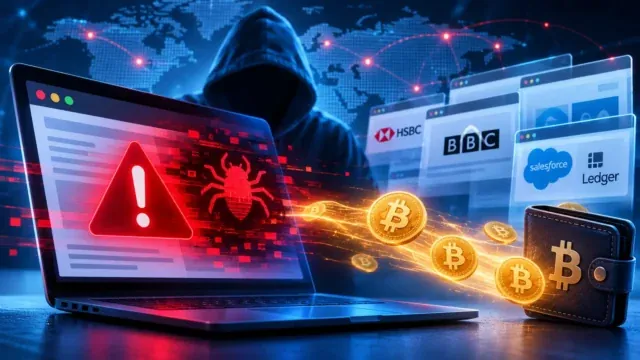
The Paytaca disclosure comes after other wallet-related security events. Crypto.news reported on November 17 that malicious Optimizely scripts affected 186 websites, including sites associated with Ledger and Coinpass. The injected code could replace legitimate wallet addresses with attacker-controlled ones for eight cryptocurrencies, including Bitcoin Cash, Ethereum and Bitcoin. StepSecurity traced about $6,600 in activity across four associated wallets, though it noted some transactions predated the attack and cannot be counted as confirmed losses.
Separately, Keplr suspended Google and Apple login options after a breach at authentication provider Web3Auth exposed private keys for certain accounts. Blockchain investigators traced more than $6 million in transfers involving over 44,000 wallets. That incident affected a different layer of wallet infrastructure from the Paytaca vulnerabilities.
What Users Are Advised to Do
Paytaca has told users to ignore suspicious P2P orders and payment requests, avoid approving transactions they did not initiate, and never share recovery phrases or private keys. It says its security team is investigating both incidents and implementing fixes. Neither the company nor the outlets covering it have said when the fixes will be complete.
Why It Matters
For Traders
Holders of BCH in Paytaca wallets should expect no change to fund custody, but unsolicited payment requests warrant extra scrutiny before any signature.
For Investors
Repeated wallet-layer incidents across several providers in one week highlight counterparty risk in the non-custodial wallet and payments segment.
For Builders
Backend services that generate orders or payment requests can be attack surfaces even when keys stay client-side, so those endpoints need the same hardening as custody paths.
This article is for information only and is not financial advice. Read the full disclaimer.