ZachXBT Names Crédit Mutuel Arkéa as Suspected Victim of $133M Crypto Theft
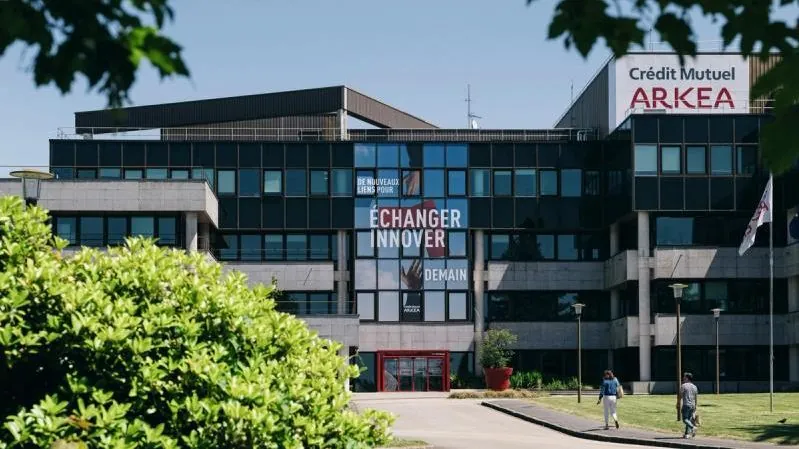
Blockchain investigator ZachXBT has named French banking group Crédit Mutuel Arkéa as the suspected victim of a crypto theft exceeding $133 million, up from an initial $106 million estimate. The bank has not publicly confirmed any theft, and exchanges including Kraken and Crypto.com have restricted related accounts or blocked linked funds.
Written by CoinArticle’s AI Newsroom · from 3 cited sources. How we work
Story Updates
- Updated Nov 4, 2026, 11:28 AM: ZachXBT's update raises the estimate to $133M+ and adds exchange responses from Kraken, Crypto.com and OKX; bank remains unconfirmed.
What Is Alleged
Blockchain investigator ZachXBT has named Crédit Mutuel Arkéa, a French banking group with $235 billion in assets according to his Telegram post, as the suspected victim of a crypto theft of more than $133 million. The bank has not publicly confirmed any theft, and Decrypt reported that it had not responded to a request for comment at the time of publication.
The incident first surfaced on Monday, when ZachXBT reported that an unnamed entity in the European Union may have lost more than $106 million from accounts at several crypto exchanges on November 1. In a Tuesday update he said he had identified a further $27 million in exchange withdrawals, bringing the total above $133 million, and that some of those withdrawals occurred after his initial disclosure. He did not say how he had identified the bank or how the attacker gained access to the exchange accounts.
The bank has been preparing to offer crypto services. According to French financial newspaper L'Agefi, it applied in May for a MiCA license to provide crypto services to retail customers, including through its Arkéa Banking Services division.
Disputed and Unverified Figures
The reported total is uncertain. ZachXBT said the attack lasted several days and that he suspects the amount stolen is larger once over-the-counter activity is included. CoinDesk's reporting describes the bank as one that "may have lost" more than $133 million, a more hedged framing than the attribution in ZachXBT's own post. Neither the bank nor an independent forensic accounting process has validated the amount.
ZachXBT has also said that the attacker remains unidentified, and that he could say "with a high degree of confidence it is NOT Lazarus Group," the North Korean hacking collective, based on multiple laundering indicators. The suspected theft comes days after the $6.3 billion Binance hack, which the FBI has attributed to North Korean hackers.
How the Funds Moved
According to the on-chain trail described by ZachXBT, the suspected attacker withdrew USDC and USDT from exchange accounts and swapped USDC for ETH. The funds were then moved through instant exchanges including WellWallet and Kyrrex, with some converted into the privacy coin Monero via Wagyu, and bridged across multiple blockchains. He published four Ethereum addresses he said were linked to the theft.
ZachXBT wrote that the bank had not conducted "proper incident disclosure," which he said prevented law enforcement from freezing about $30 million of the stolen funds. That claim is his own and has not been independently verified.
Exchange Responses
Kraken restricted the accounts associated with the incident and said its own systems and customer accounts were not compromised. Crypto.com confirmed it had blocked funds linked to the theft. OKX said it had begun reviewing the allegations. No exchange has publicly tied its own platform to a breach.
Why It Matters
For Traders
Restrictions at Kraken and Crypto.com may limit liquidity for funds traced through those venues, while the Monero conversion makes recovery less likely.
For Investors
If confirmed, an institutional theft of this size would test custody and withdrawal controls at regulated banks preparing to offer crypto services.
For Builders
Routing through instant exchanges, Monero swaps and multi-chain bridges underscores the value of monitoring cross-venue withdrawal patterns and bridge flows.
This article is for information only and is not financial advice. Read the full disclaimer.