CFTC Warns Kalshi of Possible Charges Over Prediction Market Contract Filings
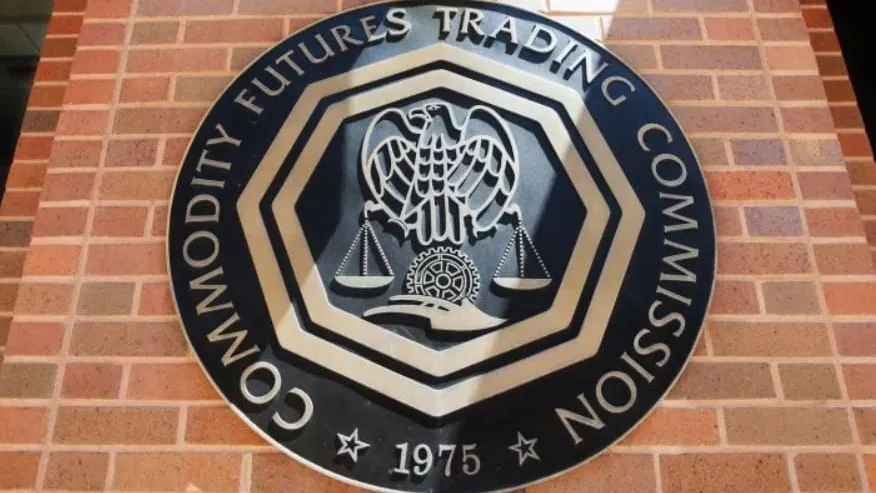
The US Commodity Futures Trading Commission has privately warned prediction market operator Kalshi that it could face enforcement charges over alleged failures to properly notify regulators about proposed contracts. Kalshi disputes the scale of the problem, and the matter could still end in a settlement.
Written by CoinArticle’s AI Newsroom · from 2 cited sources. How we work
What the CFTC Has Signaled
The Commodity Futures Trading Commission has warned Kalshi that it could face enforcement charges over how it submitted new event contracts, according to a November 10 report by POLITICO, which cited a person familiar with the investigation. The agency has spent several months examining whether Kalshi complied with the self-certification rules that govern how regulated exchanges introduce new derivatives. The CFTC has not announced formal charges, named the contracts under review, or proposed a penalty, and a settlement remains possible.
Disputed Scale of the Filing Problem
The two accounts of the scale of the problem do not match. The person familiar with the investigation told POLITICO the review involves dozens of proposed products. Kalshi spokesperson Elisabeth Diana described the matter as "a procedural error involving the submission of a handful of contracts, many of which weren't live." Neither account has been independently confirmed, and the CFTC did not immediately respond to requests for comment.
How Self-Certification Works
Under self-certification, a federally regulated exchange can list certain derivatives without obtaining explicit CFTC approval for each product. The exchange must notify the regulator and certify that the contract meets applicable requirements, including information on settlement procedures and an assessment of whether the contract could be manipulated. Kalshi offers contracts tied to elections, financial markets, sports and other events, and CryptoPotato reported that the company maintains these are traditional derivatives rather than wagers, a distinction that remains contested.
Regulatory Backdrop
A July 24 CFTC advisory from the Division of Market Oversight warned exchanges against bundling many possible event contracts into one filing using "broad, template-style" descriptions, stating that "broad, template-style certifications should not be submitted." The advisory allows closely related contracts to be certified together under certain conditions and did not name Kalshi. CME Group CEO Terry Duffy has questioned whether some event contracts are adequately protected against manipulation.
Congressional and Industry Pressure
POLITICO reported that Democrats plan to step up congressional oversight of prediction market operators when the next Congress begins, following their gains in the November midterm elections. CryptoPotato reported that Kalshi and rival Polymarket have reported valuations of $40 billion and $21 billion, respectively, and that Polymarket is separately facing a broad CFTC investigation that reportedly includes whether it breached a 2022 settlement requiring it to block US users. Separately, a Galaxy Research study of 2.9 million human-paced Polymarket accounts found more than 69% finished below break-even, with traders collectively recording $338.9 million in losses.
Why It Matters
For Traders
Open positions on Kalshi-listed contracts could be affected if the CFTC restricts or delists specific products while the investigation is unresolved.
For Investors
A formal enforcement action or settlement would shape how far the self-certification pathway can be used, which sets the regulatory ceiling for prediction market growth.
For Builders
Teams building event-contract products should treat the July 24 advisory as a standard for how filings must be drafted, since template-style certifications now draw regulatory scrutiny.
This article is for information only and is not financial advice. Read the full disclaimer.