Crypto Extortion in the Strait of Hormuz: Shipping Crisis Exploited
Crypto extortion is on the rise in the Strait of Hormuz, as scammers target shipping companies amid ongoing industry challenges. This emerging threat highlights the need for vigilance and innovative solutions in maritime security.
Written by CoinArticle’s AI Newsroom · from 1 cited source. How we work
Crypto Extortion Hits the Strait of Hormuz Amid Shipping Crisis
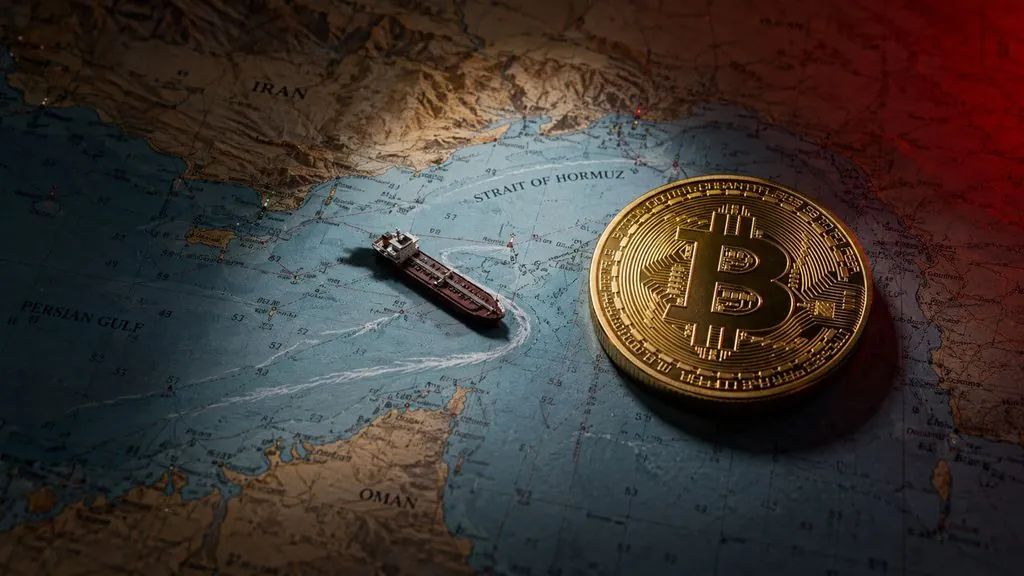
The strategic waterways of the Strait of Hormuz are making headlines once again. However, the spotlight is not just on geopolitical tensions or oil prices; a new wave of crypto extortion schemes is emerging, targeting shipping companies and vessels during the ongoing shipping crisis.
The Situation Unfolding
Recent reports from maritime risk firm Marisks indicate alarming developments within the Strait of Hormuz—an area already fraught with geopolitical complexities. At least one commercial vessel has come under fire, with early investigations suggesting that the incident may have been triggered by fraudulent instructions from criminals masquerading as Iranian officials. The scammers exploited the urgency and confusion in the shipping industry, potentially duping a shipping company into compliance under false pretenses.
These cybercriminals are leveraging the current shipping crisis, which has been exacerbated by global supply chain disruptions and regional instability. Sailings through the Strait—responsible for a significant portion of the world’s oil transport—are particularly vulnerable, creating an ideal breeding ground for scams that utilize cryptocurrency as their transaction method.
Why It Matters
For Traders
For traders engaged in the shipping industry or reliant on products that navigate the Strait of Hormuz, these scams pose a new layer of risk. Fraudulent orders can lead to financial losses and potential delays in shipping schedules. Traders must be vigilant, verifying the legitimacy of communications and instructions before making any operational decisions—particularly in high-stakes environments.
For Investors
Investors in maritime logistics and shipping companies need to pay attention to the rising trend of cybercrime in sensitive areas. Cryptocurrency scams can lead to liabilities that impact a company's bottom line. Conducting due diligence on a firm's cybersecurity measures and protocols is crucial to mitigate losses linked to these extortion schemes. Investors should consider backing companies that are enhancing their security frameworks in response to emerging threats.
For Builders
For tech builders, especially those working in the cybersecurity domain, this evolving landscape presents unique opportunities. As scammers increasingly exploit vulnerabilities in international waters, the demand for innovative security solutions tailored to maritime operations is set to grow. Integrating blockchain technology, smart contracts, and enhanced verification systems can safeguard shipping communications and transactions, reducing the risk of crypto scams and fortifying operational integrity.
Conclusion
The intersection of cryptocurrency scams and the maritime industry highlights the evolving nature of cyber threats. The situation in the Strait of Hormuz serves as a crucial reminder to all stakeholders that vigilance, verification, and innovation are essential in navigating this new frontier. As the shipping crisis unfolds, addressing vulnerabilities proactively will be vital in guarding against future instances of exploitation.
This article is for information only and is not financial advice. Read the full disclaimer.